
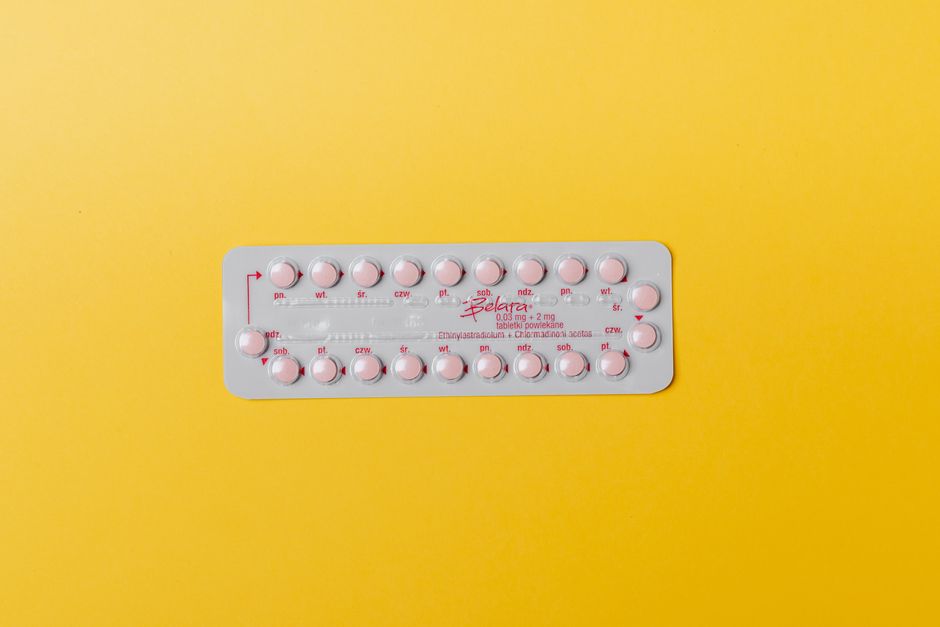
Yes, estrogen is in most combined hormonal birth control. It is almost always a synthetic form called ethinyl estradiol, though a newer option uses estradiol, the same estrogen your body makes. Estrogen is not in progestin-only pills, implants, or hormonal IUDs. The estrogen dose in today’s pills is far lower than in the first generations sold decades ago, and that change reduced serious risks. Estrogen in birth control is effective for pregnancy prevention, but it carries real risks that depend on your health history, age, and whether you smoke.
What Kind of Estrogen Is Actually in Birth Control?
The estrogen in nearly all combined pills is ethinyl estradiol. It is a synthetic estrogen made in a lab, not the estradiol your ovaries produce. It is used because it survives being swallowed and broken down in the gut and liver better than natural estrogen does.
A small number of products use estradiol valerate or estradiol instead. These are sometimes marketed as more “natural,” but that label describes the molecule, not the safety profile. All estrogen-containing birth control carries the same general categories of risk.
Combined birth control contains two hormones: an estrogen and a progestin. The estrogen mainly does two jobs. It suppresses the signals from your brain that would trigger ovulation, and it stabilizes the uterine lining to keep breakthrough bleeding controlled. The progestin does most of the work of preventing pregnancy.
Estrogen alone is not used as a contraceptive. It is always paired with a progestin in combined methods.
Which Birth Control Methods Contain Estrogen?
Estrogen appears in combined methods and is absent from progestin-only ones. That single distinction explains most of the differences in risks and side effects between products.
Methods that contain estrogen include:
- Combined oral contraceptive pills (the standard pill)
- The contraceptive patch
- The vaginal ring
Methods that contain no estrogen include:
- Progestin-only pills (sometimes called the mini-pill)
- The hormonal implant
- Hormonal IUDs
- The progestin injection
There are also non-hormonal options, such as the copper IUD and barrier methods, which contain no estrogen at all. If your clinician has told you to avoid estrogen, these are the categories to look at.
How Much Estrogen Is in Today’s Birth Control?
Most combined pills sold in the United States contain 20 to 35 micrograms of ethinyl estradiol. The patch releases about 20 micrograms per day, and the vaginal ring releases a similar amount through the vaginal lining.
The earliest pills contained far higher doses. Over the years, manufacturers lowered the estrogen content to reduce side effects and serious risks while keeping pregnancy prevention effective. This is one reason older warnings about the pill do not fully match today’s products.
Lower dose is not automatically better for everyone. Very low estrogen pills can cause more breakthrough bleeding in some people, and the balance between dose, progestin type, and your own body varies. There is no single “best” dose that fits everyone.
What Are the Real Risks of Estrogen in Birth Control?
The main serious risk tied to estrogen is blood clots. Estrogen increases the production of clotting factors in the liver, which raises the chance of a deep vein clot or a clot that travels to the lungs. This risk is real but small in absolute terms for most healthy people.
The clot risk depends on several things:
- Smoking raises the risk substantially, especially in people over 35
- Age — risk climbs with age
- Migraine with aura is associated with higher stroke risk on estrogen
- History of blood clots or certain clotting disorders
- High blood pressure that is not controlled
- Certain types of the progestin paired with estrogen may carry slightly different clot risk
Estrogen-containing birth control is generally not recommended for people who have had a blood clot, have certain inherited clotting conditions, smoke and are over 35, have migraine with aura, or have uncontrolled high blood pressure. These are well-established clinical cautions, not fringe warnings.
One point people often miss: the clot risk is highest in the first few months of use and then levels off. It does not keep climbing the longer you take it.
Does Estrogen in Birth Control Raise Cancer Risk?
The evidence here is more reassuring than many people expect, but it is not a blank check. Research has consistently found that combined oral contraceptives are associated with a small increase in breast cancer risk that appears to fade after stopping. The same body of research has found a reduced risk of ovarian and endometrial cancer that can last for years after stopping.
This is a genuinely mixed picture — a small increase in one cancer and a decrease in others. It does not mean the pill prevents cancer or causes it. It means the effects are specific to each cancer type and modest in size.
Cervical cancer risk appears slightly higher with longer use, but this interacts with HPV infection, which is the main driver. The relationship is not simple.
No large human trials have confirmed a single clean answer across all cancers. Anyone telling you estrogen birth control is “cancer-safe” or “cancer-causing” is oversimplifying.
What Are the Common Side Effects of Estrogen?
Common side effects linked to the estrogen component include breast tenderness, nausea, headaches, and fluid retention. These often ease after the first few months as the body adjusts.
Estrogen can also affect mood in some people, though the evidence on this is mixed and individual responses vary widely. It is not accurate to say estrogen birth control reliably causes or reliably prevents depression.
Some people notice changes in blood pressure. Estrogen can raise blood pressure slightly in some users, which is why blood pressure is usually checked before starting and monitored afterward.
Spotting or breakthrough bleeding is common in the first few months, especially on lower-dose pills. It usually settles, but persistent bleeding is worth mentioning to a clinician.
Who Should Not Use Estrogen Birth Control?
Certain health conditions make estrogen-containing methods a poor fit. This is not about preference — it is about avoiding a known increase in serious risk.
Estrogen is generally avoided in people who:
- Have had a blood clot or known clotting disorder
- Smoke and are over 35
- Have migraine with aura
- Have uncontrolled high blood pressure
- Have certain liver conditions
- Are breastfeeding in the early weeks after birth
- Have had breast cancer
For these situations, progestin-only or non-hormonal methods are usually the safer direction. A clinician can match the method to the person.
If you are unsure whether estrogen is right for you, the decision belongs with a clinician who knows your history. This article is informational, not a substitute for that conversation.
Is Estrogen In Birth Control Types Doses And Risks Something to Worry About?
For most healthy, non-smoking people under 35, the serious risks of estrogen birth control are low. The benefits — reliable pregnancy prevention and, for many, lighter and more predictable periods — are substantial.
The picture shifts with age, smoking, and certain health conditions. That is why the same method can be a good fit for one person and a poor one for another. The estrogen dose matters, but so does everything else about you.
Estrogen is not the enemy and not a free pass. It is a well-studied hormone with real benefits and real, specific risks. Knowing which category you fall into is the useful part.
Frequently Asked Questions
Is estrogen in all birth control?
No. Estrogen is only in combined methods — the standard pill, the patch, and the vaginal ring. Progestin-only pills, implants, hormonal IUDs, and the injection contain no estrogen.
How much estrogen is in a typical birth control pill?
Most combined pills contain 20 to 35 micrograms of ethinyl estradiol. This is much lower than the doses in the earliest pills sold decades ago.
Does estrogen in birth control cause blood clots?
Estrogen raises the chance of blood clots, but the absolute risk is small for most healthy people. Smoking, age over 35, migraine with aura, and a history of clots raise that risk meaningfully.
Can I take estrogen birth control if I smoke?
Smoking combined with estrogen birth control raises clot and cardiovascular risk, and the concern grows with age. Estrogen methods are generally not recommended for smokers over 35.
