
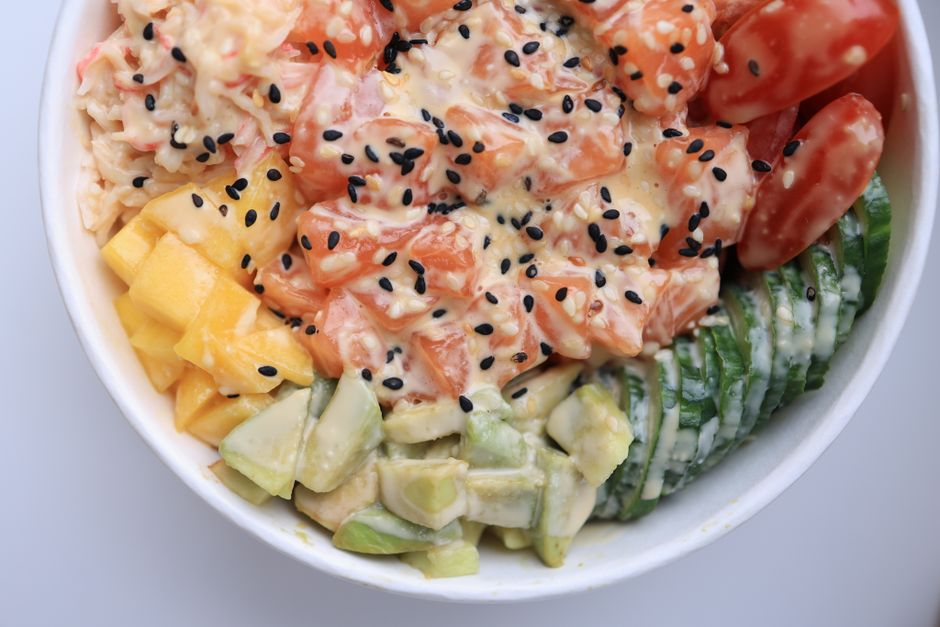
Sushi lovers often ask whether the sweet, glossy sauce drizzled over their eel roll contains gluten. The short answer: traditional eel sauce is usually gluten free, but many restaurant versions are not. The core ingredients are soy sauce, sugar, and mirin, and regular soy sauce is made with wheat. That single ingredient decides the answer for most sauces you will encounter.
Eel sauce goes by the Japanese name unagi sauce or nitsume. It is a thick, sweet glaze made by reducing soy sauce, sugar, and a rice wine called mirin. Because standard soy sauce contains wheat, the gluten status of any eel sauce depends almost entirely on which soy sauce was used to make it.
What Is Eel Sauce Made Of?
Eel sauce is a reduction, which means the ingredients are simmered down until they thicken and concentrate. The base is almost always three things: soy sauce, sugar, and mirin. Some recipes add sake, rice vinegar, or a little dashi stock for depth.
The sugar is what gives the sauce its shine and caramel-like sweetness. The mirin adds a mild sweetness and a faint alcoholic note that cooks off during reduction. The soy sauce provides salt and the dark color.
None of those ingredients contains gluten on its own, with one exception. Mirin is a sweet rice wine and is naturally gluten free. Sugar is gluten free. So the entire question comes down to the soy sauce.
Traditional Japanese soy sauce, called shoyu, is brewed from four ingredients: soybeans, wheat, salt, and a mold culture called koji. The wheat is not a minor additive. It is a core part of the fermentation and gives soy sauce much of its flavor and aroma. That means most soy sauce on the market contains wheat, and therefore gluten.
Is Eel Sauce Gluten Free at Sushi Restaurants?
At most sushi restaurants, the eel sauce is not gluten free. The reason is simple: the kitchen uses standard brewed soy sauce, which contains wheat. There is no way to tell from looking at the sauce, and the menu rarely lists ingredients.
Some restaurants make their own eel sauce in-house and some buy it pre-made. Either way, the default soy sauce in most commercial kitchens is wheat-based. A few establishments use tamari, which is a soy sauce style that is typically made without wheat, but this is not common unless the restaurant specifically caters to gluten-free diners.
Cross-contact is a separate concern. Even if a restaurant uses a gluten-free soy sauce, the same ladle, squeeze bottle, or prep surface may have touched wheat-based sauces. For someone with celiac disease, that matters. For someone with a mild sensitivity, the risk is lower but still present.
If you want eel sauce at a restaurant, the reliable move is to ask directly. Ask whether the sauce contains soy sauce, and if so, whether that soy sauce contains wheat. Many servers will not know, so asking to see the bottle or speaking to the kitchen is reasonable.
Does Soy Sauce Always Contain Gluten?
No. Soy sauce comes in two broad categories, and only one of them contains wheat.
Brewed soy sauce, the kind most people know, is made by fermenting soybeans and wheat together. This includes most Japanese shoyu and most Chinese-style soy sauces sold in the United States. These contain gluten.
Tamari is a Japanese soy sauce that is traditionally made with little or no wheat. It is thicker and has a slightly different flavor. Many, but not all, tamari products are gluten free. Some brands add a small amount of wheat, so the label still needs to be checked.
There are also soy sauces made from hydrolyzed vegetable protein rather than traditional fermentation. These are faster and cheaper to produce and may or may not contain wheat. Again, the label is the deciding factor.
- Brewed soy sauce (shoyu): usually contains wheat, therefore gluten
- Tamari: often wheat free, but check the label
- Hydrolyzed soy sauce: varies by brand, check the label
- Coconut aminos: a soy-free alternative, naturally gluten free
The key point is that “soy sauce” on an ingredient list does not automatically mean gluten, but it usually does. The only way to know for certain is to read the specific product label or ask the manufacturer.





How Can You Tell If a Bottled Eel Sauce Is Gluten Free?
You cannot tell by looking at the sauce. You have to read the label, and the label has to be specific.
Start with the ingredient list. If it lists “soy sauce” or “wheat” or “barley,” the product contains gluten. If it lists “tamari” or “gluten-free soy sauce,” it may be safe, but you still need to confirm the product is labeled gluten free.
In the United States, a product labeled “gluten free” must meet the FDA standard of containing less than 20 parts per million of gluten. That threshold is the established definition used for gluten-free labeling. A product that carries that label has been formulated to meet it.
A product that simply says “no wheat” is not the same as “gluten free.” It may still contain barley or rye, or it may have been processed on shared equipment. Only the gluten-free label carries the regulatory meaning.
Restaurant sauces almost never carry a gluten-free label, which is why asking is the only real option there.
What About People With Celiac Disease?
For someone with celiac disease, standard eel sauce is not safe. Celiac disease is an autoimmune condition in which even small amounts of gluten trigger an immune response that damages the small intestine. The threshold is not a matter of preference. It is a medical requirement.
The 20 parts per million standard exists because research indicates that most people with celiac disease can tolerate gluten below that level without intestinal damage. That does not mean zero risk, and it does not mean any amount is fine. It means the label standard is set at a level considered safe for most people with the condition.
Cross-contact in a restaurant kitchen is a real concern for this group. A gluten-free soy sauce used with a contaminated ladle is not gluten free in practice. People with celiac disease generally need to ask about preparation, not just ingredients.
For people with non-celiac gluten sensitivity, the picture is less clear. This condition is not fully understood, and there is no established threshold for how much gluten triggers symptoms. Some people react to small amounts, others do not. The evidence here is limited, and responses vary widely.
Are There Gluten-Free Eel Sauce Options?
Yes. You can make eel sauce at home with a gluten-free soy sauce or tamari, and the result is very close to the restaurant version.
The basic method is to combine soy sauce, sugar, and mirin in a saucepan and simmer until the mixture thickens enough to coat a spoon. The ratios vary by recipe, but the technique is the same. Using tamari or a certified gluten-free soy sauce removes the wheat.
Some brands sell bottled eel sauce that is labeled gluten free. These are available online and in some Asian grocery stores. As with any packaged product, the gluten-free label is the thing to look for, not the word “eel” or “unagi” on the front.
If you are eating out, a few sushi restaurants offer gluten-free soy sauce on request. That does not guarantee the eel sauce is gluten free, because the eel sauce may be pre-made with regular soy sauce. You have to ask specifically about the sauce, not just about soy sauce for dipping.
One practical note: eel sauce is often brushed onto the eel before it is served, and sometimes the eel itself is marinated or glazed during preparation. That means the gluten may be in the fish, not just on top. Asking about the sauce alone may not cover it.
Frequently Asked Questions
Is eel sauce gluten free?
Traditional eel sauce is made from soy sauce, sugar, and mirin, and regular soy sauce contains wheat, so most eel sauce is not gluten free. Only versions made with tamari or a certified gluten-free soy sauce are safe for a gluten-free diet.
Does unagi sauce have wheat?
Most unagi sauce contains wheat because it is made with standard brewed soy sauce, which is fermented with wheat. The wheat is a core ingredient in traditional soy sauce production, not a minor additive.
Is eel sauce safe for celiac disease?
Standard eel sauce is not safe for celiac disease because it contains wheat-based soy sauce. A version made with certified gluten-free soy sauce and prepared without cross-contact would be the only safe option.
What can I use instead of eel sauce if I avoid gluten?
You can make a gluten-free version at home using tamari or a certified gluten-free soy sauce with sugar and mirin. Some brands also sell bottled eel sauce that carries a gluten-free label.
