
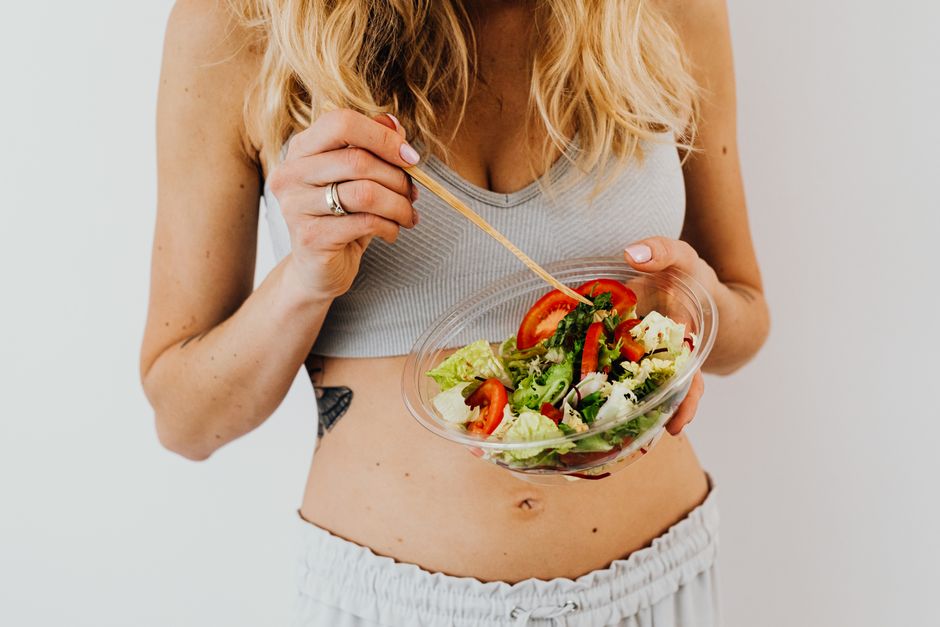
Yes, a vegan diet can be healthy for you, but it depends almost entirely on how you build it. A well-planned vegan diet is rich in fiber, vitamins, and plant compounds, and it is consistently linked to a lower risk of heart disease, type 2 diabetes, and certain cancers. However, a vegan diet can also be unhealthy if it relies on processed foods and lacks essential nutrients like vitamin B12, iron, and omega-3 fatty acids. The difference between a healthy and an unhealthy vegan diet comes down to food choices and careful planning, not the label “vegan” itself.
What Does a Vegan Diet Actually Include?
A vegan diet excludes all animal products. This means no meat, poultry, fish, dairy, eggs, or honey. People choose veganism for many reasons, including health, animal welfare, and environmental concerns. When done correctly, the diet centers on fruits, vegetables, legumes, whole grains, nuts, and seeds.
The key distinction is between a whole-food vegan diet and a junk-food vegan diet. Whole-food vegans eat beans, lentils, quinoa, oats, leafy greens, berries, and nuts. Junk-food vegans eat vegan burgers, fries, cookies, and sugary drinks. Both are technically vegan, but they have very different health effects.
Research consistently shows that plant-based diets are associated with lower body mass index, lower blood pressure, and healthier cholesterol levels. These benefits are strongest when the diet emphasizes whole plant foods rather than processed substitutes.
Is Eating Vegan Healthy For You Compared to Other Diets?
Studies comparing vegan diets to omnivorous diets find that vegans often have lower rates of heart disease and type 2 diabetes. Some research suggests vegans have a lower risk of developing certain cancers, particularly colorectal cancer. The protective effect likely comes from the high fiber content and the absence of processed and red meats, which the World Health Organization classifies as probable and known carcinogens, respectively.
However, the evidence is not one-sided. Vegans tend to have lower bone density and a higher risk of bone fractures compared to non-vegans. This is partly due to lower calcium intake and lower levels of certain nutrients that support bone health. A well-planned vegan diet can address this, but it requires attention.
The Mediterranean diet and the DASH diet, which are not vegan, also show strong health benefits. These diets emphasize vegetables, fruits, whole grains, and healthy fats while limiting red meat and processed foods. The healthiest approach is not necessarily vegan or non-vegan — it is a diet rich in whole plant foods with minimal processed ingredients.
Which Nutrients Need Extra Attention on a Vegan Diet?
Vegan diets can meet all your nutritional needs, but some nutrients require deliberate planning. Animal foods are the most reliable sources of vitamin B12, and no plant food naturally contains it in significant amounts. Vitamin B12 deficiency can cause nerve damage and anemia, so every vegan should take a supplement or eat fortified foods regularly.
Iron is another concern. Plant-based iron is less easily absorbed than iron from meat. Eating iron-rich plant foods like lentils, spinach, and beans alongside vitamin C sources like citrus or bell peppers improves absorption. Vegan women of childbearing age should monitor their iron status, as their needs are higher.
Omega-3 fatty acids are found in fatty fish, but plant sources include flaxseeds, chia seeds, and walnuts. These provide ALA, which the body converts to EPA and DHA, though the conversion rate is low. Some vegans choose algae-based DHA supplements for this reason.
Calcium and vitamin D also need attention. Fortified plant milks, tofu made with calcium sulfate, and leafy greens provide calcium. Vitamin D comes primarily from sunlight, and supplementation may be necessary, especially in northern climates or during winter months.
Zinc and iodine are two more nutrients that can fall short. Whole grains, legumes, and nuts contain zinc, but plant sources are less bioavailable. Iodine is found in seaweed and iodized salt, but not all vegans use iodized salt consistently.
What Are the Health Risks of a Vegan Diet?
The main risks of a vegan diet are nutrient deficiencies, and they develop slowly. B12 deficiency can take years to become symptomatic, but when it does, it can cause irreversible neurological damage. Iron deficiency leads to fatigue and impaired cognitive function. Low calcium intake over decades increases fracture risk.
Another risk is relying too heavily on ultra-processed vegan foods. Many vegan meat alternatives are highly processed and contain high levels of sodium, saturated fat from coconut oil, and additives. A 2021 study published in the Journal of the American College of Cardiology found that plant-based diets rich in whole foods were associated with lower cardiovascular risk, while plant-based diets rich in processed foods were not.
Eating disorders can also hide behind a vegan label. Orthorexia, an unhealthy obsession with clean eating, can be masked by strict dietary rules. If food choices cause anxiety or social isolation, it is worth examining the motivation behind the diet.
How to Build a Healthy Vegan Plate
Building a healthy vegan meal does not require complicated recipes. A simple framework works: fill half your plate with vegetables, a quarter with whole grains, and a quarter with legumes or tofu. Add a small portion of nuts or seeds for healthy fats.
Variety is the foundation. Different plant foods provide different nutrients, so eating a wide range of colors and food groups matters more than any single superfood. Rotate your protein sources — beans one day, lentils the next, tofu after that.
Fortified foods are practical tools. Plant milks fortified with calcium and B12, nutritional yeast with B12, and fortified breakfast cereals can help close nutrient gaps. These are not cheating — they are smart planning.
Consider a supplement routine. A daily B12 supplement is non-negotiable for vegans. A vitamin D supplement is often recommended, especially in winter. Some vegans benefit from an algae-based DHA supplement, though this is not mandatory for everyone.
Who Should Be Cautious About Going Vegan?
Certain groups need extra care or should avoid vegan diets without professional guidance. Pregnant and breastfeeding women have higher nutrient demands, especially for iron, calcium, and B12. A vegan pregnancy can be healthy, but it requires careful planning and regular blood work.
Infants and young children have rapid growth needs that make vegan diets challenging. The Academy of Nutrition and Dietetics states that well-planned vegan diets are appropriate for all life stages, but this assumes careful planning and appropriate supplementation. Parents considering a vegan diet for their children should work with a pediatric dietitian.
Older adults may struggle with vegan diets due to reduced appetite, difficulty absorbing B12, and higher protein needs. People with kidney disease or those on blood thinners should consult their doctor before making major dietary changes, as plant foods can affect potassium levels and vitamin K intake.
People with a history of disordered eating should approach any restrictive diet with caution. If you have struggled with food restriction in the past, transitioning to veganism can trigger old patterns. Working with a therapist and dietitian is wise.
What Does the Evidence Say About Long-Term Vegan Health?
Long-term studies on vegans are limited, but the available data is encouraging. The Adventist Health Study, which has followed thousands of vegetarians and vegans for decades, found that vegans have a lower risk of obesity, hypertension, and type 2 diabetes compared to non-vegetarians. All-cause mortality rates in vegans are similar to or slightly lower than those of other dietary groups.
Some research suggests vegans have a lower risk of ischemic heart disease but a higher risk of hemorrhagic stroke. The reason is unclear, but it may relate to lower cholesterol levels or lower intake of certain nutrients. This finding needs more research before drawing firm conclusions.
The strongest evidence supports a plant-forward diet rather than strict veganism. A diet that is mostly plants with small amounts of fish, dairy, or lean meat may offer similar benefits with fewer nutritional risks. The decision to go fully vegan should be based on personal values, health status, and the ability to plan adequately.
Frequently Asked Questions
Can you get enough protein on a vegan diet?
Yes, you can get enough protein on a vegan diet if you eat enough calories and include legumes, tofu, tempeh, seitan, and whole grains. Most adults need about 0.8 grams of protein per kilogram of body weight, and this is achievable with plant foods alone.
Do vegans need to take supplements?
All vegans should take a vitamin B12 supplement because no reliable plant source exists. Vitamin D and omega-3 supplements are often recommended but depend on sun exposure and individual dietary choices.
Is a vegan diet safe during pregnancy?
A vegan diet can be safe during pregnancy with careful planning and appropriate supplementation, especially for B12, iron, and calcium. Pregnant vegans should work with their healthcare provider to monitor nutrient levels throughout the pregnancy.
Can children follow a vegan diet?
Children can follow a well-planned vegan diet, but it requires more careful attention to nutrient density and growth monitoring. Parents should consult a pediatric dietitian to ensure the child receives adequate protein, calcium, iron, and B12.
