
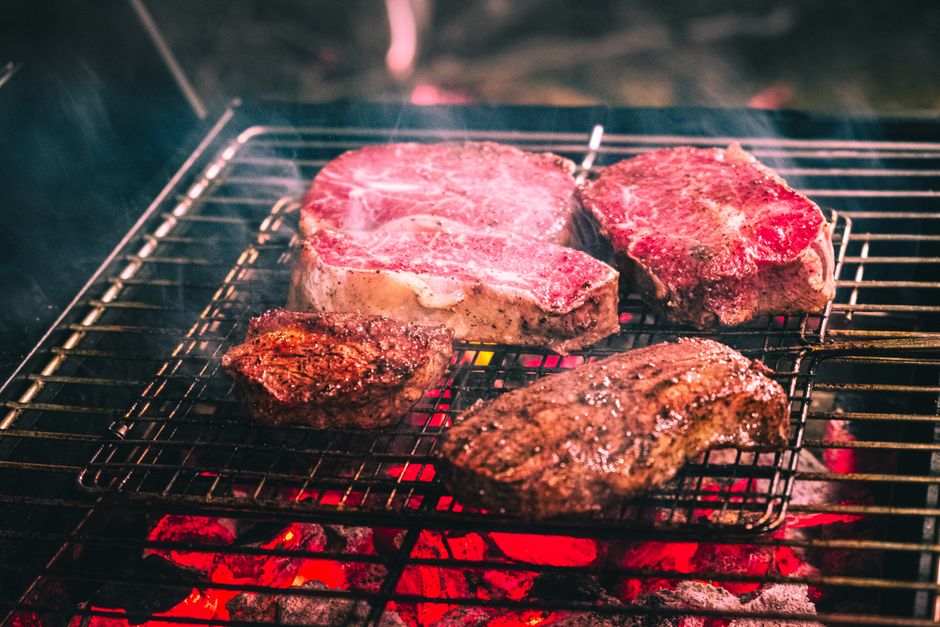
Eating raw steak is a food poisoning risk, and it is never completely safe. Cooking steak to a safe internal temperature kills harmful bacteria that can make you sick, while eating it raw or undercooked leaves those bacteria alive and able to cause illness.
What Are the Real Risks of Eating Raw Steak?
The main danger in raw steak is bacteria. Steak can carry pathogens like E. coli, Salmonella, and Listeria. These bacteria live on the surface of the meat and can also be present inside the tissue.
When you eat raw steak, you swallow those bacteria directly. Your digestive system is not designed to handle large amounts of these pathogens. The result can be food poisoning with vomiting, diarrhea, fever, and stomach cramps.
The risk is not theoretical. Public health agencies consistently report cases of illness linked to raw or undercooked beef. Some of these cases are severe enough to require hospitalization.
Does the Type of Steak Matter?
Yes, the cut and origin of the steak change the risk level. A whole muscle cut like a sirloin or ribeye has bacteria mostly on the outside. Grinding the meat spreads surface bacteria throughout the entire product, which is why ground beef is riskier than a whole cut.
However, even a whole cut of steak can have bacteria pushed into the interior. This happens during the butchering process when knives or equipment carry pathogens into the muscle. So the “bacteria only on the outside” rule is not a guarantee of safety.
Some people believe that expensive or high-quality steak is safer raw. That is not supported by evidence. A premium cut from a top butcher can still carry the same pathogens as a cheaper cut. Quality does not equal safety.
What About Steak Tartare and Carpaccio?
Steak tartare and carpaccio are popular raw beef dishes. Tartare is typically chopped or minced raw beef mixed with seasonings. Carpaccio is thinly sliced raw beef served cold.
These dishes are served in restaurants around the world. That does not mean they are safe. Restaurants that serve them take precautions, such as sourcing meat from specific suppliers and following strict handling procedures. But even with precautions, the risk of illness remains.
No preparation method for raw beef eliminates bacteria. Acidic marinades, like lemon juice in carpaccio, do not kill pathogens. Seasonings and sauces do not sterilize the meat. Only heat does that.





Who Is at the Highest Risk?
Some people face a much higher risk of serious illness from raw steak. These groups should avoid raw beef entirely.
- Pregnant women
- Young children
- Older adults
- People with weakened immune systems
- People with chronic conditions like diabetes or liver disease
For these groups, food poisoning from raw steak can lead to severe complications. Pregnant women, for example, are at higher risk for Listeria infection, which can harm the fetus. This is not a mild concern.
If you are in one of these groups, the safest choice is fully cooked steak. No clinical guidelines recommend raw beef for these populations.
Is It Safe to Eat Raw Steak at Home?
Eating raw steak at home carries the same risks as eating it in a restaurant, with some added concerns. Home kitchens often lack the strict temperature controls and sanitation practices of professional kitchens.
Cross-contamination is a major issue at home. If raw steak juice touches cutting boards, knives, countertops, or other foods, bacteria can spread. This is especially dangerous if the bacteria reach foods that will not be cooked, like salad or fruit.
If you choose to eat raw steak at home, the risk is on you. You cannot verify the meat’s history, handling, or bacterial load. Even meat that looks and smells fresh can harbor dangerous pathogens.
How Does Cooking Steak Make It Safe?
Heat kills bacteria by denaturing their proteins and damaging their cell structures. When steak reaches a high enough internal temperature, the pathogens that cause food poisoning are destroyed.
The recommended safe internal temperature for steak is 145°F (63°C) for medium, followed by a three-minute rest. Ground beef should be cooked to 160°F (71°C) because grinding spreads bacteria throughout.
Using a food thermometer is the only reliable way to know the meat has reached a safe temperature. Color is not a reliable indicator. A steak can look brown on the outside and still be undercooked inside.
What Are the Symptoms of Food Poisoning from Raw Steak?
Symptoms usually appear within hours to a few days after eating contaminated meat. The most common symptoms include:
- Nausea
- Vomiting
- Diarrhea, which may be bloody
- Stomach cramps
- Fever
Most healthy adults recover within a few days without medical treatment. The main concern is dehydration from vomiting and diarrhea. Drinking fluids is important.
Seek medical attention if symptoms are severe, if there is blood in the stool, if you cannot keep fluids down, or if you are in a high-risk group. Some bacterial infections, like certain strains of E. coli, can cause kidney damage and require hospital care.
Why Do People Eat Raw Steak If It Is Risky?
People eat raw steak for taste and tradition. Raw beef has a different texture and flavor than cooked beef. Some people prefer that. Steak tartare and carpaccio are also part of culinary traditions in several cultures.
There is also a persistent belief that raw steak is somehow “purer” or more natural. That belief is not supported by food safety science. The bacteria that cause illness are naturally present in the environment and on the meat. Cooking is a safety step, not a processing step that ruins the food.
Understanding the risk does not mean you cannot make your own choice. But the choice should be informed. Eating raw steak is a calculated risk, not a safe practice.
What Is the Safest Way to Handle Raw Steak?
If you are cooking steak, safe handling reduces the risk of cross-contamination. Keep raw steak separate from other foods. Use separate cutting boards and utensils for raw meat. Wash your hands thoroughly with soap and water after touching raw steak.
Refrigerate raw steak promptly and cook it within a few days of purchase. Do not leave raw steak at room temperature for extended periods. Bacteria multiply rapidly in the “danger zone” between 40°F and 140°F.
These practices reduce but do not eliminate risk. The only way to completely eliminate the risk of bacterial infection from steak is to cook it to a safe internal temperature.
Is Eating Raw Steak Safe Or A Food Poisoning Risk for Everyone?
No, the risk is not the same for everyone. Healthy adults with strong immune systems are less likely to become seriously ill from raw steak. But “less likely” is not “safe.” Even healthy people can get food poisoning.
The severity of illness also varies. One person might have mild diarrhea for a day. Another person might end up in the hospital with a serious infection. You cannot predict how your body will respond.
For people in high-risk groups, the answer is clear. Raw steak is a food poisoning risk and should be avoided. For healthy adults, the choice is personal, but the risk is real.
Frequently Asked Questions
Can you get food poisoning from raw steak?
Yes, raw steak can carry bacteria like E. coli, Salmonella, and Listeria that cause food poisoning. Cooking steak to 145°F kills these pathogens.
Is steak tartare safe to eat?
Steak tartare is not safe in the sense of being free from bacterial risk. It is served in restaurants with precautions, but the risk of illness remains.
Does lemon juice or seasoning kill bacteria in raw steak?
No, acidic marinades and seasonings do not kill harmful bacteria in raw meat. Only heat at a safe internal temperature destroys these pathogens.
Who should never eat raw steak?
Pregnant women, young children, older adults, and people with weakened immune systems should avoid raw steak completely. The risk of severe illness is too high for these groups.
