
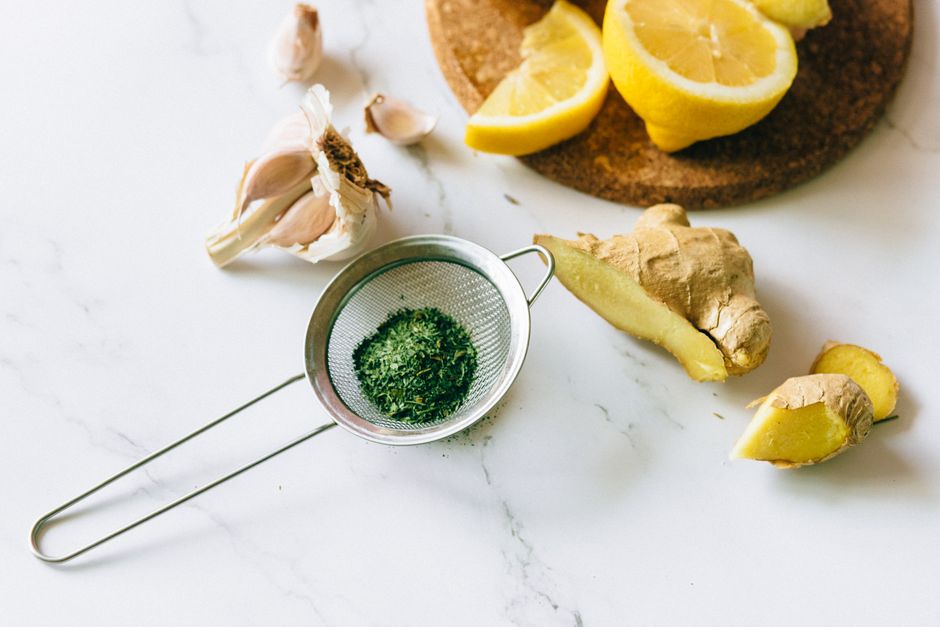
Garlic has been used as both food and medicine for thousands of years. When you crush or chop a raw clove, a compound called allicin forms — and that compound is the reason raw garlic gets so much attention. Eating raw garlic does have real biological effects, but the gap between what happens in a lab dish and what happens in your body is wider than most headlines suggest.
Is Eating Raw Garlic Good For You?
The short answer is: it can be, but the evidence is stronger for some claims than others. Raw garlic contains sulfur compounds that have demonstrated antimicrobial, antiplatelet, and antioxidant activity in laboratory and animal studies. Human trials show more modest and mixed results.
One important detail: allicin is not actually present in an intact garlic clove. It forms only when the cell walls are broken — by chopping, crushing, or chewing — which allows an enzyme called alliinase to convert alliin into allicin. This is why swallowing a whole clove does far less than most people assume. The chemistry never gets a chance to happen.
Raw garlic is not a treatment for any disease. It is a food with measurable biological activity, some of which has been studied in humans and some of which has not.
What Happens In Your Body When You Eat Raw Garlic?
When you chew raw garlic, allicin forms within seconds. It is unstable and breaks down quickly into other sulfur compounds, including diallyl disulfide and S-allyl cysteine. These are the compounds researchers actually measure in blood and urine after garlic consumption.
What the body does with them is where things get complicated. Many of these compounds are rapidly metabolized. The concentrations that reach your bloodstream are far lower than what is used in laboratory experiments. This is a recurring problem in nutrition research — a compound may kill bacteria in a petri dish at concentrations that are never achieved in human tissue.
That does not mean raw garlic does nothing. It means the effects in a living person are likely smaller and more subtle than the lab data imply.
Does Raw Garlic Lower Blood Pressure Or Cholesterol?
Some human trials have found small reductions in blood pressure with garlic supplementation, but results across studies are inconsistent. The effect, when it appears, tends to be modest — not comparable to prescription antihypertensive medication.
For cholesterol, the picture is similar. Older studies suggested garlic could lower total cholesterol and LDL, but more rigorous trials have generally shown smaller effects than early research indicated. Some well-designed studies found no meaningful change at all.
A few points that matter here:
- Most blood pressure and cholesterol studies used garlic supplements, not raw garlic. Doses and preparations varied widely.
- Raw garlic contains different concentrations of active compounds than aged garlic extract or garlic powder.
- No clinical guideline recommends garlic as a primary treatment for high blood pressure or high cholesterol.
If you have diagnosed hypertension or high LDL, garlic is not a substitute for treatment your doctor has prescribed. It is a food, and food can support health, but it does not replace medication for conditions that require it.





Does Raw Garlic Fight Infections?
Garlic has demonstrated antibacterial and antifungal activity in laboratory settings. Allicin and related compounds can inhibit the growth of various bacteria and fungi in culture.
Whether this translates to treating infections in people is a different question. There is no strong clinical evidence that eating raw garlic treats bacterial infections, viral illnesses, or fungal conditions in humans. Some small studies have looked at garlic for the common cold, with mixed results and limited quality.
The World Health Organization has not endorsed garlic as a treatment for any infection. Using it instead of prescribed antibiotics for a bacterial infection would be dangerous.
One area where garlic has been more studied is Helicobacter pylori, the bacterium linked to stomach ulcers. Some research suggests garlic compounds can inhibit H. pylori in the lab, but clinical trials using garlic to eradicate the infection in people have not shown reliable results. Standard treatment remains antibiotics combined with acid suppression.
Are There Real Risks To Eating Raw Garlic?
Yes, and they are worth taking seriously. Raw garlic is not risk-free.
Digestive irritation is the most common complaint. Raw garlic can cause heartburn, nausea, bloating, and stomach pain, especially on an empty stomach. Some people develop acid reflux or gastritis symptoms after eating it.
Breath and body odor are well documented. The sulfur compounds responsible for garlic’s effects are also responsible for the smell, and they can linger for hours. Brushing your teeth helps with breath but does not address the compounds already in your bloodstream, which can be excreted through your lungs and skin.
Bleeding risk is a genuine concern. Garlic has antiplatelet activity, meaning it can reduce how easily your blood clots. This matters if you take blood-thinning medications such as warfarin, clopidogrel, or even daily aspirin. It also matters before surgery. Some clinicians recommend stopping high-dose garlic supplements before surgery, though the evidence for how much this actually increases bleeding risk is limited.
Interactions with medications extend beyond blood thinners. Garlic may affect how the body processes certain drugs, including some HIV medications and immunosuppressants. If you take prescription medication, talk to your pharmacist before making raw garlic a daily habit.
Allergic reactions are uncommon but possible. Garlic is a known allergen for some people, and reactions can range from skin irritation to more serious symptoms.
How Much Raw Garlic Is Considered Safe?
There is no official recommended daily intake for raw garlic. It is a food, not a regulated supplement, and no major health organization has established a standard dose for health benefits.
In research settings, garlic supplements are often studied at doses equivalent to roughly one to two cloves of fresh garlic per day. But those are study protocols, not clinical guidelines. They do not tell you what you should eat.
For most healthy adults, adding a clove or two of raw garlic to food is unlikely to cause harm. Eating large amounts — several cloves daily — increases the risk of digestive upset and may amplify the blood-thinning effect.
If you are pregnant or breastfeeding, no specific clinical guidelines exist for raw garlic consumption beyond general food safety. Garlic is commonly eaten in food during pregnancy, but concentrated garlic supplements are a different matter and should be discussed with a healthcare provider.
For children, there are no established guidelines for raw garlic as a health intervention. Small amounts used in cooking are generally considered safe, but giving children raw garlic for medicinal purposes is not supported by evidence.
Does Cooking Garlic Destroy Its Benefits?
Cooking does reduce allicin formation, but it does not eliminate garlic’s biological activity entirely. Heat deactivates the enzyme alliinase, which is needed to produce allicin. However, other sulfur compounds and beneficial nutrients remain.
One practical tip: if you want to preserve more of the allicin, chop or crush the garlic and let it sit for about 10 minutes before cooking. This gives the enzyme time to convert alliin into allicin, which is more heat-stable than the enzyme itself.
That said, the difference between raw and cooked garlic in terms of actual health outcomes in humans has not been well studied. We do not have strong evidence that raw garlic produces meaningfully better health results than cooked garlic in real-world conditions.
What Does The Evidence Actually Support?
Here is an honest summary of where things stand:
- Laboratory evidence shows garlic compounds have antimicrobial, antioxidant, and antiplatelet activity. This is well established.
- Human evidence for blood pressure and cholesterol benefits is mixed. Some studies show small effects; others show none.
- Human evidence for infection treatment is weak. Garlic is not a proven remedy for any infection.
- Safety concerns are real, particularly around bleeding risk and medication interactions.
Raw garlic is a flavorful food with some biologically active compounds. It is not a medicine, and it is not a substitute for proven treatments. If you enjoy it and tolerate it well, adding it to your meals is reasonable. If you are taking medication or have a health condition, check with your doctor or pharmacist first.
Frequently Asked Questions
Is it safe to eat raw garlic every day?
For most healthy adults, eating a clove or two of raw garlic daily is unlikely to cause harm. However, it can cause digestive irritation and may increase bleeding risk, especially if you take blood-thinning medication.
Does raw garlic lower blood pressure?
Some human trials have found small reductions in blood pressure, but results are inconsistent across studies. Garlic is not a replacement for prescribed blood pressure medication.
Can raw garlic cure an infection?
No. While garlic shows antimicrobial activity in laboratory studies, there is no strong clinical evidence that eating raw garlic treats infections in people.
Should I stop eating raw garlic before surgery?
Some clinicians recommend stopping high-dose garlic supplements before surgery because of potential bleeding risk. Discuss this with your surgeon, especially if you take blood thinners.
