
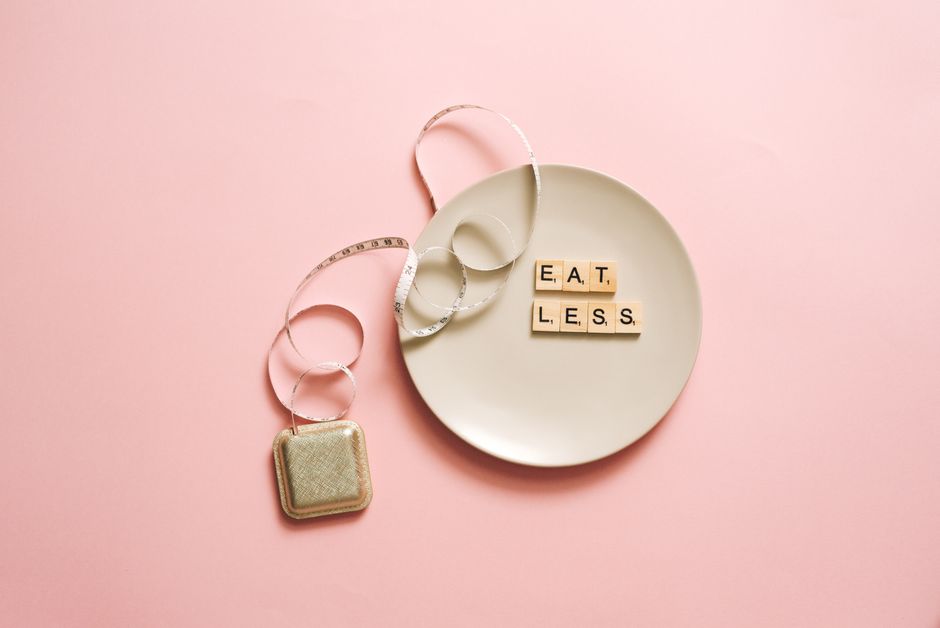
Fat is not the reason weight loss fails. Calories still matter, but fat is the most calorie-dense nutrient, and how much of it you eat changes how many calories you take in without noticing. The real answer is that fat is neither good nor bad for weight loss on its own. It depends on the type, the amount, and what it replaces in your diet.
Why Fat Got a Bad Reputation for Weight Loss
For decades, the advice was simple: eat less fat, lose more weight. That idea came from the fact that fat contains 9 calories per gram, while protein and carbohydrates each contain about 4 calories per gram. Gram for gram, fat delivers more than twice the calories.
That math is real. But it led to a flawed conclusion. People assumed that eating fat automatically makes you fat, and that cutting fat automatically makes you thin. Neither is true on its own.
The low-fat era produced thousands of reduced-fat products. Many of them replaced fat with added sugar, refined starch, or both to keep them tasting good. A reduced-fat cookie can carry nearly the same calories as the original. Some carry more. When fat is removed, flavor and texture go with it, and food manufacturers often add something back. That something is rarely a vegetable.
So the reputation stuck to the wrong target. The problem was not fat itself. It was what happened to food when fat was stripped out, and how much people ate of it.
Does Eating Fat Make You Gain Weight?
Eating more calories than your body uses causes weight gain, regardless of where those calories come from. Fat is simply an efficient way to take in a lot of calories in a small amount of food.
One tablespoon of olive oil has about 119 calories. It takes roughly two cups of broccoli to reach that number. Both are healthy foods. But the oil is far easier to overconsume because it does not fill you up the way a large volume of food does.
That is the practical issue with fat. It is not that fat is uniquely fattening. It is that fat is easy to eat in large amounts without feeling full. Foods high in fat also tend to be highly palatable, which is a polite way of saying they are hard to stop eating.
But the reverse is also true. Fat slows digestion and helps you feel satisfied after a meal. A meal with some fat in it can keep hunger away longer than a meal with none. That effect can work in your favor.
Is Eating Fat Bad For Weight Loss The Real Answer?
No. Eating fat does not prevent weight loss. What matters is total calorie intake and the overall quality of your diet.
Research consistently shows that when calories and protein are matched, low-fat and low-carbohydrate diets produce similar weight loss over time. Some studies find a small early advantage for low-carb diets, but the difference tends to shrink or disappear over months. The pattern across the research is clear: adherence matters more than macronutrient ratio.
In other words, the diet you can actually stick to is the one that works. If a higher-fat diet keeps you satisfied and helps you eat less overall, it can support weight loss. If a lower-fat diet does the same for you, that works too.
There is one important caveat. Fat is not a single thing. The type of fat matters for your health, even when it does not change the scale much.
Which Types of Fat Affect Weight and Health Differently?
All fats provide the same 9 calories per gram. But they behave differently in the body, and they carry different long-term health effects.
Unsaturated fats — found in olive oil, nuts, seeds, avocados, and fatty fish — are linked to better heart health in a large body of research. These are the fats most dietary guidelines recommend emphasizing.
Saturated fats — found in butter, red meat, and full-fat dairy — are associated with higher LDL cholesterol when they replace unsaturated fats in the diet. The evidence on how much this matters for heart disease risk is more mixed than it was once presented, but most major health organizations still advise keeping saturated fat below about 10 percent of daily calories.
Trans fats — industrially produced partially hydrogenated oils — are the one type with clear, consistent evidence of harm. They raise LDL cholesterol, lower HDL cholesterol, and are associated with increased heart disease risk. Many countries have restricted or banned them in the food supply.
The practical takeaway: the source of your fat matters more than the total amount for long-term health. For weight loss specifically, the total calorie picture still dominates.
How Does Fat Affect Satiety and Hunger?
Fat slows the rate at which food leaves your stomach. That is a well-established effect. It means a meal with fat in it can keep you full longer than a meal without it.
Fat also triggers the release of certain hormones that signal fullness to the brain. This is one reason higher-fat diets can help some people eat less without counting every calorie.
But fat is not the most satiating nutrient. Protein is. Research on appetite consistently finds that protein has a stronger effect on fullness than either fat or carbohydrates. Fiber also plays a meaningful role.
So fat helps with satiety, but it is not the strongest tool in the box. A meal with protein, fiber, and some fat will keep you fuller than a meal built mostly on fat alone.
Do Low-Fat or High-Fat Diets Work Better for Weight Loss?
Neither wins consistently. The research comparing them head-to-head shows similar average weight loss when calories are controlled.
What varies is how easy each approach is to follow. Some people find that cutting fat leaves them hungry and unsatisfied. Others find that adding fat makes food so palatable that they eat more of it. Individual response differs, and there is no reliable way to predict which camp you fall into without trying.
There is also a practical trap on both sides.
- Low-fat diets can drift toward refined carbohydrates and added sugar, which do not help with hunger or health.
- High-fat diets can drift toward excess calories because fat is calorie-dense and easy to overeat.
The diet that avoids both traps is one built around whole foods: vegetables, fruits, lean proteins, legumes, whole grains, nuts, and seeds. Fat is part of that picture, not the enemy of it.
What Actually Determines Weight Loss?
A calorie deficit determines weight loss. Your body needs to use more energy than it takes in for stored fat to be broken down for fuel.
Fat, carbohydrate, and protein all contribute to that energy intake. None of them overrides the basic math. What changes is how easy or hard it is to stay in a deficit.
Several factors affect that:
- Protein supports fullness and helps preserve muscle during weight loss.
- Fiber adds volume and slows digestion, both of which help with appetite.
- Fat adds satisfaction and flavor but also calories.
- Food environment — what is available and easy to reach — shapes how much you eat more than willpower does.
- Sleep and stress affect appetite hormones and food choices.
No single nutrient decides the outcome. The overall pattern does.
What About Ketogenic and Very Low-Carb Diets?
Very low-carbohydrate diets, including ketogenic diets, can produce weight loss. Some studies show faster early weight loss compared with low-fat diets.
The early advantage appears to come mostly from water loss and reduced appetite, not from any special property of fat. Over 12 months and beyond, the difference between very low-carb and other diets tends to narrow. A well-known analysis of multiple diet trials found that weight loss differences between named diets were small.
Ketogenic diets can be effective for some people and are used clinically for certain conditions. But they are restrictive, and long-term adherence is difficult for many. Whether they are better than other approaches for weight loss over the long run is not established.
The Bottom Line on Fat and Weight Loss
Fat is not the reason diets fail, and cutting fat is not the key to success. Fat is one of three macronutrients, it carries important functions in the body, and it makes food satisfying. It also packs a lot of calories into a small space.
If you eat more fat than your body needs, you can gain weight. If you eat less fat but replace it with refined carbohydrates and sugar, you can also gain weight. The nutrient is not the problem. The pattern is.
Focus on total calories, protein, fiber, and food quality. Include fat from sources like olive oil, nuts, seeds, avocados, and fish. Keep an eye on how much you use, because it adds up quickly. That approach is supported by the evidence. Chasing one macronutrient as the answer is not.
Frequently Asked Questions
Does eating fat make you gain weight?
Eating more calories than you burn causes weight gain, and fat is calorie-dense at 9 calories per gram. Fat itself does not cause weight gain, but it is easy to overeat because it adds calories without adding much volume.
Is a low-fat diet better for weight loss?
Low-fat and higher-fat diets produce similar weight loss when calories and protein are matched, according to research comparing them. The diet you can stick to matters more than the fat content.
What kind of fat is healthiest?
Unsaturated fats from olive oil, nuts, seeds, avocados, and fish are linked to better heart health in a large body of research. Trans fats from partially hydrogenated oils are the one type with clear evidence of harm.
Can I lose weight without cutting fat?
Yes. Weight loss depends on a calorie deficit, not on cutting any single nutrient. You can lose weight while eating fat as long as your total calorie intake stays below what you burn.
