
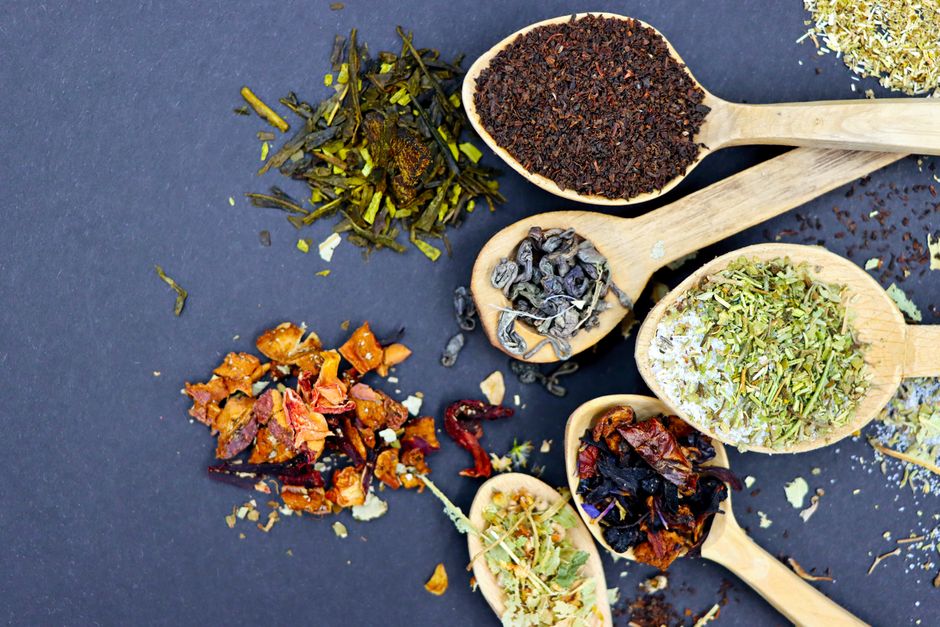
Earl Grey tea is generally considered low FODMAP, but the bergamot oil that gives it its distinctive flavor can be a problem for some people with IBS. The tea itself contains no fermentable carbohydrates that would trigger IBS symptoms. However, the citrus oil added for aroma may irritate the gut in sensitive individuals. If you have IBS and want to drink Earl Grey, plain black tea without added bergamot is the safer choice.
What Makes Earl Grey Tea Different From Regular Black Tea?
Earl Grey is black tea flavored with oil extracted from the rind of the bergamot orange. That is the only meaningful difference. The base tea leaves are the same as any other black tea — usually a blend from Assam, Ceylon, or similar regions.
Bergamot is a citrus fruit grown mainly in southern Italy. Its oil contains aromatic compounds called terpenes, including limonene and linalool. These give Earl Grey its floral, citrusy scent. The oil is added after the tea leaves are dried and processed.
Some brands use natural bergamot oil. Others use synthetic flavoring compounds that mimic the scent. The type of flavoring can matter for how your gut responds, though there is no research directly comparing natural versus synthetic bergamot in IBS patients.
This distinction matters because the FODMAP content of plain black tea and Earl Grey tea is essentially the same. The bergamot oil does not add fermentable carbohydrates. What it adds is a set of plant compounds that may or may not irritate a sensitive digestive system.
Is Earl Grey Tea Low FODMAP And IBS Friendly?
Yes, Earl Grey tea is low FODMAP according to the Monash University FODMAP database, which is the standard reference used by dietitians worldwide. Black tea, including flavored varieties, does not contain significant amounts of fermentable oligosaccharides, disaccharides, monosaccharides, or polyols.
That means the tea itself will not draw water into the intestine or ferment in the colon the way high FODMAP foods do. For the majority of people with IBS, drinking a cup of Earl Grey should not trigger symptoms through a FODMAP mechanism.
But low FODMAP is not the same as symptom-free for everyone. Some people with IBS react to compounds that have nothing to do with FODMAPs. Caffeine, for example, stimulates gut motility. Bergamot oil contains terpenes and other plant chemicals that may affect sensitive nerve endings in the gut lining.
There is no published clinical trial specifically testing Earl Grey tea in IBS patients. The low FODMAP classification is based on the composition of the tea, not on symptom outcomes in a study population. That is an important distinction. The classification is reliable for what it measures — fermentable carbohydrate content. It does not guarantee that every person with IBS will tolerate the beverage.
Some clinicians who work with IBS patients report that citrus oils and strong flavorings occasionally trigger symptoms in people who are highly sensitive. This is anecdotal, not confirmed by controlled research. It is worth mentioning because it reflects what some practitioners observe, but it should not be presented as established fact.
How Caffeine In Earl Grey Affects IBS Symptoms
Caffeine is a stimulant that increases contractions in the colon. For people with diarrhea-predominant IBS (IBS-D), this can worsen urgency and loose stools. For those with constipation-predominant IBS (IBS-C), the effect may actually help.
A standard cup of black tea contains roughly 40 to 70 milligrams of caffeine, depending on how long it is steeped and the type of leaves used. That is less than half the caffeine in a typical cup of coffee, which contains about 95 milligrams. Green tea contains about 25 to 45 milligrams per cup.
The effect of caffeine on IBS is well documented in general terms. Studies have found that caffeine can stimulate colonic motor activity within minutes of consumption. Whether that translates into noticeable symptoms depends on the individual and the type of IBS they have.
If you have IBS-D and notice that Earl Grey seems to worsen your symptoms, caffeine is a more likely culprit than the bergamot oil. Switching to a decaffeinated version would be a reasonable way to test that. Decaffeinated Earl Grey is still low FODMAP.
Does Bergamot Oil Cause Digestive Problems?
Bergamot oil is generally recognized as safe when consumed in the small amounts found in tea. The amount used for flavoring is tiny — typically just enough to scent the leaves. This is not the same as drinking concentrated bergamot essential oil, which can cause problems.
Concentrated bergamot essential oil is not meant to be swallowed. It contains compounds called furanocoumarins that can cause photosensitivity and, in large doses, may affect the liver. These risks do not apply to the trace amounts in a cup of tea.
Some people report that citrus flavors trigger heartburn or reflux. Bergamot oil, like other citrus oils, may relax the lower esophageal sphincter in sensitive individuals. That could worsen acid reflux symptoms. This is a mechanical effect, not a FODMAP effect, and it varies from person to person.
The evidence here is limited. No studies have specifically examined how bergamot oil in tea affects IBS symptoms. The reports of sensitivity are based on individual experience and clinical observation, not controlled trials.
What Should You Look For When Choosing Earl Grey Tea?
The base tea matters less than what is added to it. Many commercial Earl Grey blends include additional ingredients that could be problematic.
- Added sweeteners: Some pre-packaged Earl Grey blends contain honey, which is high FODMAP, or high fructose corn syrup. Check the ingredient list.
- Milk or cream: Lactose in dairy milk is a FODMAP. If you add milk, use a low FODMAP alternative like almond milk or lactose-free milk.
- Flavored varieties: Earl Grey blends with added vanilla, lavender, or fruit pieces may introduce FODMAPs. Plain Earl Grey is the safest bet.
- Decaffeinated options: If caffeine is a trigger, decaf Earl Grey is available and remains low FODMAP.
Loose leaf tea versus tea bags does not change the FODMAP content. The difference is mainly in flavor quality and how much caffeine is released during steeping.
Steeping time affects caffeine content. A longer steep releases more caffeine. If you are sensitive to caffeine, a shorter steep — one to two minutes instead of four to five — will reduce the amount in your cup.
How Does Earl Grey Compare To Other Teas For IBS?
Not all teas are equal when it comes to IBS tolerance. Some contain compounds that are actively problematic.
| Tea Type | FODMAP Status | Notes for IBS |
|---|---|---|
| Black tea (plain) | Low FODMAP | Contains caffeine; generally well tolerated |
| Earl Grey | Low FODMAP | Bergamot oil may bother some people |
| Green tea | Low FODMAP | Less caffeine than black tea |
| Peppermint tea | Low FODMAP | Caffeine-free; may help with bloating and cramping |
| Chamomile tea | Low FODMAP | Caffeine-free; generally calming for the gut |
| Fennel tea | Low FODMAP in small amounts | Larger amounts may contain fructans |
| Chai tea | Varies | Often contains honey, milk, or high FODMAP spices |
Peppermint tea deserves special mention. It is caffeine-free and has been studied for IBS symptom relief. Some research suggests peppermint oil capsules can reduce abdominal pain and bloating in IBS patients. Peppermint tea is not as concentrated as the capsules used in those studies, but it is a reasonable caffeine-free alternative.
Chamomile tea is another low FODMAP option that many people find soothing. It does not have the same level of research support as peppermint for IBS specifically, but it is widely consumed without issue.
If Earl Grey triggers symptoms and you want to stay with black tea, try a plain English Breakfast or Assam without bergamot. If caffeine seems to be the problem, switch to decaf or move to an herbal tea.
When Should You Talk To A Doctor About Tea And IBS?
If you have been diagnosed with IBS and notice that specific foods or drinks consistently trigger symptoms, that pattern is worth discussing with your doctor or a registered dietitian. A dietitian with experience in the low FODMAP diet can help you identify triggers systematically rather than by trial and error.
The low FODMAP diet is not meant to be followed long-term without guidance. It is a temporary elimination phase followed by structured reintroduction. Cutting out too many foods for too long can reduce the diversity of your gut bacteria, which may cause its own problems.
If you have not been formally diagnosed with IBS, do not self-diagnose based on food reactions. Other conditions — including celiac disease, inflammatory bowel disease, and small intestinal bacterial overgrowth — can cause similar symptoms. These require different testing and treatment.
Earl Grey tea is unlikely to be the sole cause of significant digestive distress. If you are experiencing persistent symptoms, the tea is probably not the main issue.
Frequently Asked Questions
Is Earl Grey tea low FODMAP?
Yes, Earl Grey tea is classified as low FODMAP by the Monash University FODMAP database. The tea leaves and bergamot oil do not contain significant fermentable carbohydrates.
Can Earl Grey tea trigger IBS symptoms?
It can for some people, even though it is low FODMAP. Caffeine stimulates gut motility, and bergamot oil may irritate sensitive digestive systems in rare cases.
Is decaf Earl Grey tea better for IBS?
Decaf Earl Grey is still low FODMAP and may be better tolerated if caffeine is a trigger for your symptoms. It contains the same bergamot oil as regular Earl Grey.
What is a good low FODMAP tea for IBS?
Peppermint tea and chamomile tea are both low FODMAP and caffeine-free. Peppermint has some research support for reducing IBS pain and bloating.
