
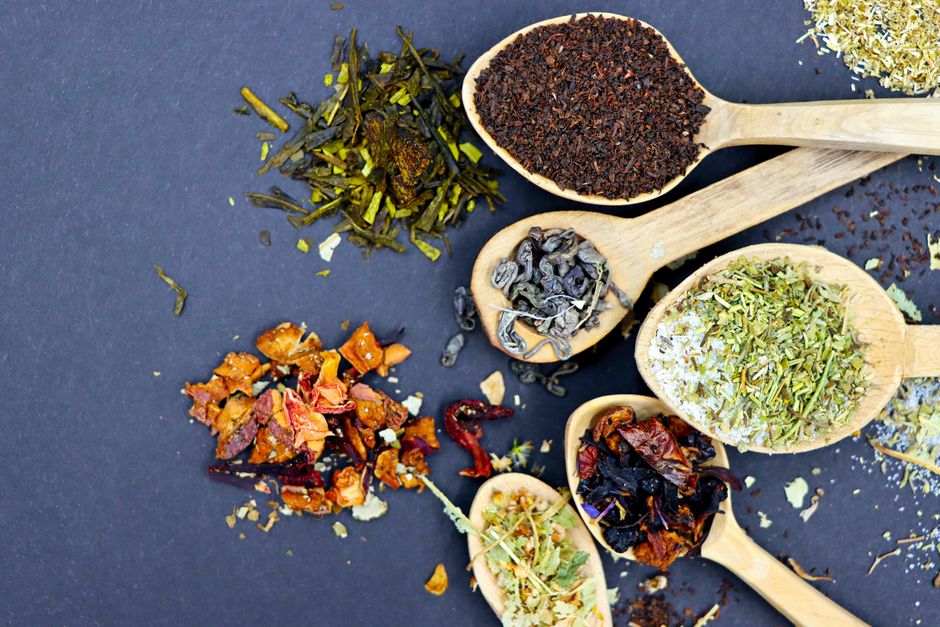
Earl Grey tea is black tea. Specifically, it is black tea that has been flavored with oil from the rind of the bergamot orange. The base tea is almost always a black tea, though some variations exist. If you buy a box labeled Earl Grey, you are buying black tea with added flavor.
What Exactly Makes Earl Grey Different From Plain Black Tea?
The difference comes down to one ingredient: bergamot oil. Bergamot is a citrus fruit that looks like a small, yellow-orange lemon. It grows mainly in the coastal regions of southern Italy. The oil from its rind gives Earl Grey its distinctive floral and slightly bitter taste.
Plain black tea comes from the Camellia sinensis plant. Earl Grey starts with the exact same plant. The leaves are withered, rolled, oxidized, and dried the same way. The only change is that after processing, the tea leaves are sprayed or mixed with bergamot oil.
The type of black tea used as the base varies by brand. Some companies use tea from Assam, India, which is malty and strong. Others use tea from Sri Lanka or Kenya, which is lighter and brighter. The flavor of the final cup depends on both the bergamot oil and the quality of the black tea base.
Is Earl Grey Always Made With Black Tea?
Traditionally, yes. But the market has changed in the last decade. You can now find Earl Grey made with green tea, white tea, or even rooibos. These are not traditional Earl Grey teas. They are modern variations.
The key rule is that the flavor must come from bergamot. If the base tea is not black, most tea experts call it “Green Earl Grey” or “White Earl Grey.” The name makes the difference clear.
Some people ask if Earl Grey is an herbal tea. It is not. Herbal teas contain no leaves from the Camellia sinensis plant. Earl Grey does contain those leaves. It is a true tea, not a tisane.
What Does the Caffeine Content of Earl Grey Look Like?
Since Earl Grey is black tea, it contains caffeine. A standard 8-ounce cup of Earl Grey brewed for three to five minutes has roughly 40 to 60 milligrams of caffeine. For comparison, a similar cup of coffee has about 95 milligrams.
The caffeine level depends on three factors: the specific black tea used, how long you steep it, and the water temperature. A longer steep at higher temperature pulls more caffeine out of the leaves.
If you want less caffeine, steep the tea for only two minutes. You can also use cooler water around 190°F instead of boiling. Some people do a quick 30-second rinse of the leaves with hot water before brewing. This removes some caffeine without losing much flavor. The American Chemical Society has confirmed that this method can reduce caffeine by about 9 percent.





Does the Bergamot in Earl Grey Have Any Health Effects?
Bergamot oil contains compounds called flavonoids. Some research suggests these compounds may have antioxidant and anti-inflammatory properties. A 2020 study published in the journal Nutrients found that bergamot-derived polyphenols helped reduce oxidative stress in human cells. This is promising but preliminary.
Some people claim that bergamot can lower cholesterol. There is some evidence for this. A small study from 2013 in the International Journal of Cardiology found that bergamot extract reduced total cholesterol and LDL cholesterol in participants. But that study used concentrated bergamot extract, not the small amount in a cup of tea. Drinking Earl Grey alone is unlikely to produce the same effect.
There is a real risk to be aware of. Bergamot contains a compound called bergamottin. This compound can interfere with certain medications. Specifically, it can affect how your body processes statins and some blood pressure drugs. The effect is similar to grapefruit juice. If you take prescription medications, check with your doctor before drinking large amounts of Earl Grey.
| Type of Tea | Caffeine (8 oz cup) | Base Plant | Flavor Source |
|---|---|---|---|
| Plain Black Tea | 40-60 mg | Camellia sinensis | Oxidized tea leaves |
| Earl Grey | 40-60 mg | Camellia sinensis | Black tea + bergamot oil |
| Green Tea | 20-30 mg | Camellia sinensis | Unoxidized tea leaves |
| Herbal Tea | 0 mg | Various plants | Herbs, fruits, flowers |
What Should You Look for When Buying Earl Grey?
Quality varies a lot between brands. The biggest difference is in the bergamot oil used. Some companies use natural bergamot oil. Others use synthetic flavoring. Natural oil gives a more complex flavor with floral and slightly spicy notes. Synthetic flavoring tends to taste one-dimensional and can be harsh.
Look for loose leaf tea if you want the best quality. Tea bags often contain dust and fannings — the small broken pieces left over from processing. These brew quickly but lose flavor faster. Loose leaf tea uses whole or broken leaves that hold their flavor longer.
Check the ingredient list. Real Earl Grey should list only black tea and natural bergamot flavor. Some cheaper brands add artificial flavors or additional oils like lavender or lemon. These are not traditional Earl Grey teas.
Common Misconceptions About Earl Grey
One common myth is that Earl Grey is a type of green tea. This is false. Some people confuse the light color of a weakly brewed Earl Grey with green tea. But the base is always black tea unless the label specifically says otherwise.
Another myth is that Earl Grey is naturally calorie-free. It is, but only if you drink it plain. Adding sugar, honey, or milk adds calories. A teaspoon of sugar has about 16 calories. A splash of whole milk adds about 9 calories. The tea itself has zero calories.
Some people believe that Earl Grey is a detox tea. There is no clinical evidence for this. The body detoxifies itself through the liver and kidneys. No food or drink speeds this process up in any meaningful way. The claim is marketing, not science.
How Should You Brew Earl Grey for the Best Taste?
Water temperature matters. Black tea needs water that is just off the boil, around 200°F to 212°F. If the water is too cool, the tea will be weak. If it is boiling, you risk extracting bitter tannins.
Steep for three to five minutes. Three minutes gives a lighter cup with more floral notes from the bergamot. Five minutes gives a stronger, more astringent cup with more black tea flavor. Do not steep longer than five minutes unless you enjoy bitterness.
Some people add milk to Earl Grey. This is a personal preference. The milk can soften the sharpness of the bergamot. But it also masks the subtle citrus notes. If you want to taste the bergamot, drink it without milk first. Add milk only if you find the flavor too strong.
Frequently Asked Questions
Is Earl Grey black tea or green tea?
Earl Grey is black tea. The base leaves come from the same plant as green tea but are fully oxidized, which gives them their dark color and stronger flavor.
Does Earl Grey have more caffeine than coffee?
No. An 8-ounce cup of Earl Grey has about 40 to 60 milligrams of caffeine, while the same amount of coffee has about 95 milligrams.
Can you drink Earl Grey while pregnant?
Moderate amounts are generally considered safe, but you should limit caffeine to under 200 milligrams per day during pregnancy. That equals about three to four cups of Earl Grey.
Is Earl Grey tea the same as English Breakfast tea?
No. English Breakfast is a blend of black teas with no added flavor. Earl Grey is black tea flavored with bergamot oil. They taste completely different.
