
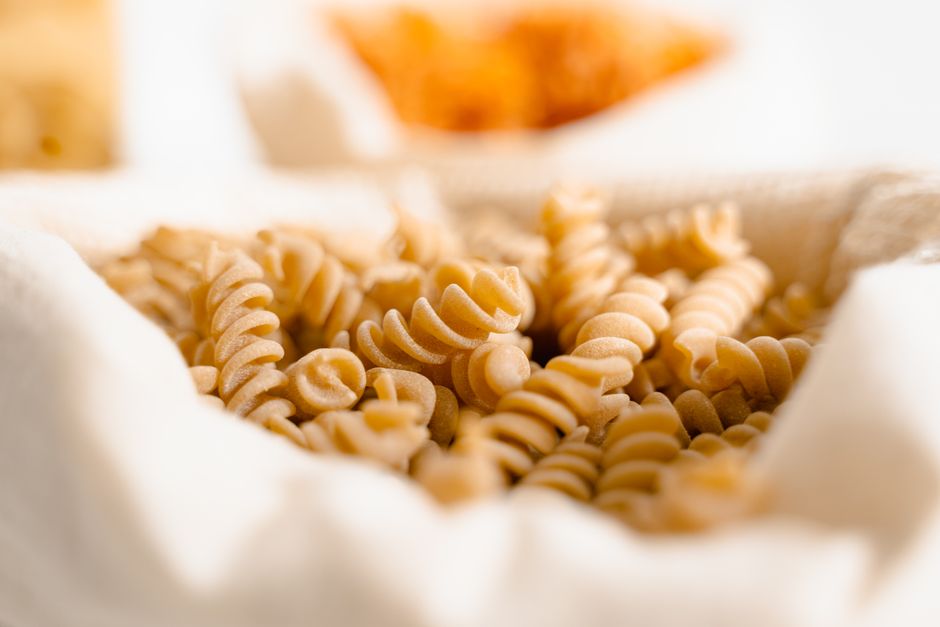
Durum wheat semolina is a healthy, nutrient-dense food for most people. It is a type of flour made from durum wheat, a hard wheat variety. It provides complex carbohydrates, protein, and fiber, along with important minerals. The main concern is that it contains gluten, so it is not safe for people with celiac disease or gluten sensitivity.
What Is Durum Wheat Semolina?
Semolina is the coarse flour made from durum wheat. Durum wheat is the hardest of all wheat varieties. When milled, the inner part of the wheat kernel, called the endosperm, is ground into a coarse product. This is semolina.
Most people know semolina as the main ingredient in pasta. It is also used to make couscous, some breads, and a porridge called farina. The golden-yellow color of semolina comes from natural pigments in the wheat.
Is Durum Wheat Semolina Healthy?
Yes, semolina is healthy for people who can tolerate gluten. It is a whole food that provides energy, protein, and fiber. A 100-gram serving of dry semolina contains roughly 360 calories, 12 to 13 grams of protein, and about 3 to 4 grams of fiber. It is also a good source of B vitamins, particularly folate and thiamine.
The protein in semolina is mostly gluten. Gluten gives pasta and bread their chewy structure. For people without gluten-related disorders, this protein is digested normally and contributes to daily protein needs.
Semolina also provides minerals like iron, magnesium, and phosphorus. These minerals support oxygen transport in the blood, bone health, and energy production. The amounts are meaningful but not exceptionally high compared to some other grains.
Semolina and Blood Sugar
Semolina has a moderate to high glycemic index. The glycemic index measures how quickly a food raises blood sugar. Foods with a lower glycemic index are often better for blood sugar control.
However, the glycemic response depends on how the semolina is prepared. Pasta made from durum wheat semolina has a lower glycemic response than many other refined grain products. This is because the dense structure of pasta slows digestion. Research consistently shows that pasta made from durum wheat produces a slower, steadier rise in blood sugar compared to white bread or white rice.
For people with diabetes or prediabetes, semolina pasta can be part of a balanced meal. Pairing it with protein and vegetables helps slow digestion further. The key is portion control, as with any carbohydrate-rich food.





Semolina vs. Regular White Flour
Semolina differs from regular white flour in several ways. White flour is usually made from softer wheat varieties. Semolina comes from durum wheat, which is harder and higher in protein.
Because of its higher protein content, semolina forms stronger gluten networks. This makes it ideal for pasta that holds its shape during cooking. Regular white flour is better for tender baked goods like cakes and pastries.
Nutritionally, semolina and white flour are similar in calories and carbohydrates. Semolina typically has slightly more protein and fiber. Both are refined grains, meaning the bran and germ have been removed during milling.
Whole grain flours, such as whole wheat flour, contain more fiber and nutrients than either semolina or white flour. If maximizing fiber intake is the goal, whole wheat products are the better choice.
Who Should Avoid Semolina?
People with celiac disease must avoid semolina completely. Celiac disease is an autoimmune condition where gluten damages the small intestine. Even small amounts of gluten can cause symptoms and long-term harm.
People with non-celiac gluten sensitivity may also need to avoid semolina. This condition causes digestive symptoms and fatigue after eating gluten, but without the intestinal damage seen in celiac disease. The prevalence of this condition is debated, but some people clearly feel better on a gluten-free diet.
People with a wheat allergy must also avoid semolina. Wheat allergy is different from celiac disease. It is an immune reaction to wheat proteins that can cause hives, breathing problems, or digestive distress.
For everyone else, semolina is safe to eat. It is not inherently inflammatory or harmful. The idea that gluten is toxic for everyone is not supported by clinical evidence.
Semolina and Digestive Health
Semolina is not a high-fiber food. Because it is a refined grain, the bran has been removed. The bran is where most of the fiber in wheat is found.
A 100-gram serving of dry semolina provides about 3 to 4 grams of fiber. For comparison, whole wheat flour provides about 12 grams of fiber per 100 grams. The difference is substantial.
Fiber supports digestive health by feeding beneficial gut bacteria and adding bulk to stool. If semolina is a staple in your diet, you should get fiber from other sources. Vegetables, fruits, beans, and whole grains can fill this gap.
Some people find that semolina-based foods are easier to digest than whole grain products. This is because the fiber content is lower. For people with certain digestive conditions, like diverticulitis flare-ups, lower fiber foods are sometimes recommended. This is a clinical decision that should be made with a doctor.
How to Include Semolina in a Healthy Diet
Semolina is versatile and easy to cook with. The most common use is making pasta. Dried pasta made from 100% durum wheat semolina is widely available and convenient.
Couscous is another semolina product. It cooks in minutes and works well as a base for vegetable and protein dishes. Whole wheat couscous is also available and provides more fiber.
Semolina flour can be used to make homemade pasta. It can also be added to bread dough for a chewier texture. Some people use it to thicken soups or make a breakfast porridge similar to cream of wheat.
When building a healthy meal with semolina, focus on balance. A plate with semolina pasta, a palm-sized portion of lean protein, and a generous serving of vegetables provides a solid nutritional profile. The semolina provides energy and some protein. The vegetables add fiber and micronutrients.
Watch portion sizes. A typical serving of cooked pasta is about one cup. Many restaurant portions are two to three times that amount. Eating larger portions of any grain product increases calorie intake significantly.
Nutritional Comparison Table
The table below compares the nutritional content of dry semolina, whole wheat flour, and regular white flour. Values are approximate and based on standard USDA food data for 100-gram servings.
| Nutrient | Semolina (dry) | Whole Wheat Flour | White Flour |
|---|---|---|---|
| Calories | 360 | 340 | 364 |
| Protein | 12.7 g | 13.2 g | 10.3 g |
| Carbohydrates | 72.8 g | 72.0 g | 76.3 g |
| Fiber | 3.9 g | 12.2 g | 2.7 g |
| Iron | 4.6 mg | 3.6 mg | 1.2 mg |
| Magnesium | 47 mg | 137 mg | 22 mg |
Semolina has more iron than white flour. Whole wheat flour is higher in fiber and magnesium. None of these flours are inherently bad. They serve different purposes in cooking and nutrition.
Common Myths About Semolina
One common myth is that semolina is fattening. No single food causes weight gain. Weight gain happens when total calorie intake exceeds calorie expenditure. Semolina is calorie-dense, but it can fit into a weight management plan when portions are controlled.
Another myth is that semolina is a processed food in the negative sense. Refined grains are processed, but not in the way that ultra-processed snacks are. Semolina is simply milled wheat. It does not contain additives, preservatives, or artificial ingredients.
Some people claim that semolina is inflammatory. No clinical evidence supports this claim for people without gluten-related disorders. Wheat is sometimes blamed for inflammation, but the research does not confirm that whole populations need to avoid it.
Frequently Asked Questions
Is durum wheat semolina good for weight loss?
Semolina can be part of a weight loss diet when portions are controlled. Its protein and fiber content help with fullness, but it is calorie-dense, so serving size matters.
Is durum wheat semolina the same as regular flour?
No, semolina is coarser and comes from durum wheat, while regular flour is finer and usually from softer wheat. Semolina has more protein and is better for pasta making.
Can people with diabetes eat durum wheat semolina?
Yes, in controlled portions. Pasta made from semolina has a slower effect on blood sugar than many other refined grains, especially when eaten with protein and vegetables.
Is semolina gluten-free?
No, semolina contains gluten and is not safe for people with celiac disease or gluten sensitivity. Gluten-free pasta made from rice, corn, or legumes is a suitable alternative.
