
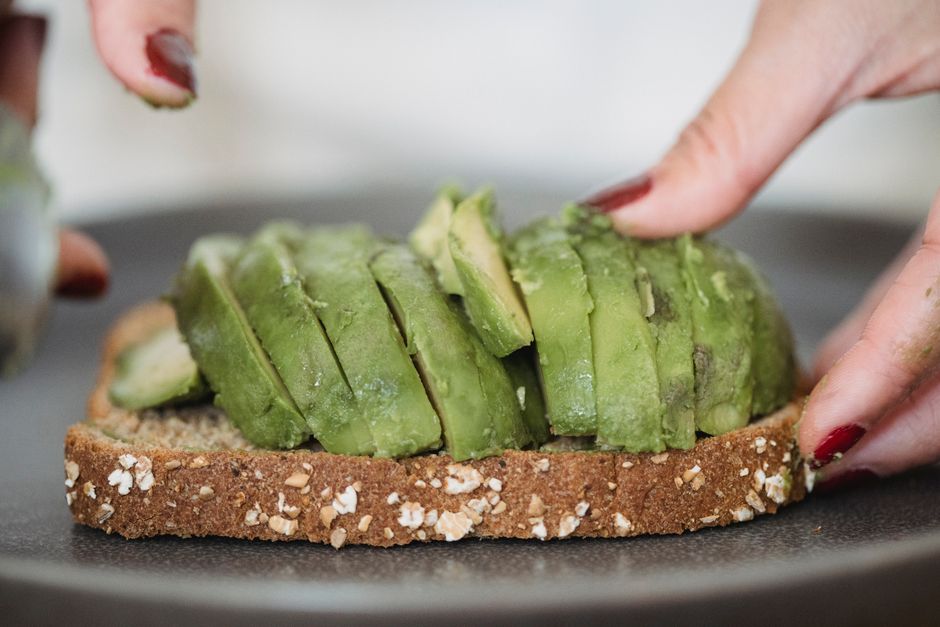
Dunkin’s avocado toast is a real-food option in a menu built mostly on donuts and breakfast sandwiches, but it is not automatically a “healthy” choice. The nutrition profile depends heavily on which version you order and what the chain puts on it. The bread is refined white sourdough, the spread is a seasoned avocado blend rather than plain mashed avocado, and the sodium and fat content are higher than most people expect from something that looks light.
Whether it fits your diet comes down to portion, add-ons, and what else you eat that day. Here is the honest breakdown of what is actually in it.
Is Dunkin Avocado Toast Healthy Nutrition Facts?
It is a moderate-calorie, moderate-fat food with meaningful fiber and a fair amount of sodium. That makes it a reasonable occasional breakfast or snack for most adults, but not a low-calorie or low-sodium food. The avocado itself brings monounsaturated fat, potassium, and fiber. The bread and the seasoned spread bring refined carbohydrate, added sodium, and some added fat.
The base avocado toast at Dunkin is commonly listed at roughly 240 to 260 calories, depending on the exact build and location. The chain has offered more than one version over time, including a bacon-topped option, so the numbers shift with what you order. Treat any single calorie figure as approximate.
What the toast is not: it is not a “clean” or “whole food” item in the way homemade avocado toast on whole-grain bread is. The avocado spread is a prepared product with added ingredients, not a fresh avocado half you mash yourself. That distinction matters more than most people realize.
What Are the Nutrition Facts for Dunkin Avocado Toast?
The core nutrients are carbohydrate from the bread, fat mostly from avocado, a small amount of protein, and fiber. Sodium is the number worth watching. The spread and the bread both contribute salt, and the total lands well above what you would get from plain toast and a fresh avocado.
Exact figures vary by menu version, region, and whether add-ons like bacon or egg are included. Rather than quote a precise label that may not match your local store, here is the general picture of what each component contributes:
- Bread: Refined white sourdough. Provides carbohydrate and a little protein, but little fiber compared with whole-grain bread.
- Avocado spread: Provides monounsaturated fat, some fiber, and potassium, plus added salt and seasoning.
- Toppings (if ordered): Bacon adds fat, sodium, and calories. Egg adds protein and fat. Either can push the item into a heavier meal.
If you want exact numbers for the version you are ordering, the chain’s own nutrition information and the in-store label are the reliable source. Third-party calorie databases are often out of date or built for a different menu version.
Is Avocado Toast Actually Good for You?
Avocado is a genuinely nutrient-dense food. It is one of the better sources of monounsaturated fat, which is the same fat found in olive oil, and it provides potassium, fiber, and several vitamins. Research has consistently linked diets rich in unsaturated fats to better cardiovascular outcomes compared with diets high in saturated fat.
The catch is that “avocado toast” as a category is only as healthy as its parts. A homemade version on whole-grain bread with a fresh avocado is a different food from a prepared spread on white sourdough. The avocado is doing real work. The bread and the seasoning are where the nutrition gets weaker.
One clarification worth making: the fat in avocado is not the problem. Dietary fat from whole foods does not make you fat in any simple way. The calories still count, but the monounsaturated fat in avocado is generally considered a favorable part of a balanced diet. The bigger issues with the Dunkin version are the refined bread and the sodium, not the avocado fat.
How Does Dunkin Avocado Toast Compare to Other Breakfast Options?
Compared with a donut or a sausage breakfast sandwich, the avocado toast is a better choice on most measures. It has less added sugar, less saturated fat, and more fiber and potassium. Compared with a plain egg and whole-grain toast you make at home, it is weaker on fiber and higher on sodium.
| Option | General nutrition profile | Main trade-off |
|---|---|---|
| Dunkin avocado toast (base) | Moderate calories, moderate fat, some fiber, higher sodium | Refined bread, seasoned spread |
| Donut | High added sugar, refined carbohydrate, low protein and fiber | Little nutritional value |
| Sausage breakfast sandwich | Higher saturated fat, higher sodium, more protein | Processed meat, high sodium |
| Homemade avocado toast on whole-grain bread | More fiber, less sodium, fresh avocado | Requires preparation |
The comparison is not close in one direction. If the choice is between a donut and the avocado toast, the toast is the more balanced pick. If the choice is between the toast and a homemade version, the homemade version wins on fiber and sodium without much effort.
What Should You Watch Out For If You Order It?
Sodium is the main thing to keep an eye on. The bread and the seasoned spread together push the item higher in salt than plain toast and avocado would. For most healthy adults that is manageable within a day, but for people watching blood pressure or following a low-sodium diet, it is worth accounting for.
Add-ons change the math quickly. Bacon adds saturated fat and more sodium. A fried egg adds protein and fat, which can make the toast a more complete meal but also raises the calorie total. If you are ordering it as a light snack, the base version is the one to get.
Portion matters too. The serving is a single piece of toast in most builds, which keeps the calorie count moderate. It is not a large meal on its own. If you eat it as breakfast and are hungry an hour later, that is a sign it needs a protein companion, not that it failed as a food.
Who Might Want to Choose Something Else?
People on a low-sodium diet may find the seasoned spread saltier than they expect. People who need a high-fiber breakfast will get more from whole-grain bread or oatmeal. And anyone watching added sugars should know the avocado toast is not a sugar problem, so it is a fine swap if sugar is the concern.
For most adults aged 35 to 65, the toast is a reasonable occasional choice. It is not a superfood, and it is not a junk food. It sits in the middle, closer to the “fine” end than the “bad” end, provided you are not relying on it as your only breakfast every day.
If you have a medical condition that affects how you handle sodium, fat, or carbohydrate, the general guidance here is informational only. Your clinician or a registered dietitian can tell you how this specific item fits your plan.
Frequently Asked Questions
How many calories are in Dunkin avocado toast?
The base version is commonly listed at roughly 240 to 260 calories, though the exact figure varies by menu version and location. Add-ons like bacon or egg raise the total.
Is Dunkin avocado toast healthy?
It is a moderate choice, not a health food. The avocado brings good fat and some fiber, but the refined bread and seasoned spread add sodium and refined carbohydrate.
Does Dunkin avocado toast have a lot of sodium?
It has more sodium than plain toast and fresh avocado because both the bread and the prepared spread contribute salt. People watching blood pressure should account for it.
What bread does Dunkin use for avocado toast?
It uses a refined white sourdough, which has less fiber than whole-grain bread. That is one reason the item is not a high-fiber breakfast.
