
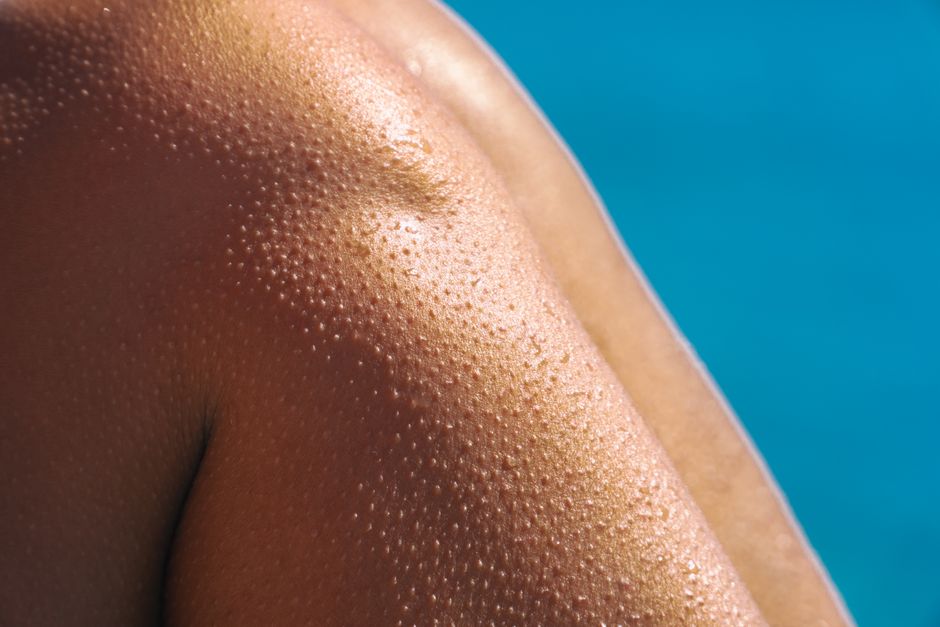
Dry skin is not usually dangerous. For most people it is a surface problem — the outer layer of skin has lost water and oils, and it feels tight, rough, or itchy. But dry skin is not only cosmetic. It can crack, bleed, and open a door for infection, and it can sometimes be a sign of an underlying condition worth checking.
Healthy skin does more than cover your body. It holds water in, keeps irritants and germs out, and helps regulate temperature. When the outer layer dries out, those jobs get harder. That is the real answer to whether dry skin is bad: it depends on how dry, how long, and why.
What Does Dry Skin Actually Do To Your Body?
Your skin has an outer barrier made of dead cells packed with fats and proteins. This barrier traps water inside and blocks things from getting in. When the barrier breaks down, water escapes faster than it should. That is what we call dry skin.
Once the barrier is weakened, several things follow. The skin loses moisture, which makes it feel tight and look dull or flaky. It becomes more sensitive to soaps, fabrics, and temperature changes. Itching starts, and scratching damages the barrier further. In more serious cases, small cracks form. Those cracks are real openings in your body’s first line of defense.
This matters because the skin is part of your immune system. It is not just a wrapper. When the barrier fails, bacteria that normally sit harmlessly on your skin can get into deeper layers. That is how dry, cracked skin sometimes leads to infection.
What dry skin does not do, in most cases, is cause harm to your internal organs or your overall health. For the average person with occasional dryness, the effects stay on the surface.
When Is Dry Skin a Sign of Something More?
Dry skin is common and usually harmless. But sometimes it is a symptom of a condition that needs medical attention. The pattern and location of the dryness often give clues.
Some possibilities a doctor may consider:
- Eczema (atopic dermatitis). A chronic condition where the skin barrier is genetically weaker. It causes dry, itchy, inflamed patches, often in the folds of the elbows and knees.
- Psoriasis. An immune-related condition that produces thick, scaly patches, often on the elbows, knees, and scalp.
- Hypothyroidism. An underactive thyroid can cause dry, rough skin along with fatigue and other symptoms.
- Diabetes. High blood sugar can lead to dry skin and poor circulation, which slows healing.
- Nutritional deficiencies. Low levels of certain vitamins and fats can affect skin moisture.
- Dehydration. Not drinking enough fluids can make skin look and feel drier.
None of these can be diagnosed from dry skin alone. That is the honest position. Dry skin is a common finding, and most of the time it has a simple cause. But if dryness is severe, persistent, or comes with other symptoms, it is reasonable to have it looked at.
Is Dry Skin Bad What It Does To Your Body When It Cracks?
Cracked skin is where dryness stops being a minor annoyance. When the barrier splits, the skin can no longer keep out bacteria and other irritants effectively. This is when the risk of infection rises.
Signs that a crack may be infected include redness spreading around it, warmth, swelling, pus, or increasing pain. A fever is a more serious sign. These warrant prompt medical attention, not home treatment.
People with diabetes need to take cracked skin on the feet especially seriously. Reduced sensation and poor circulation can mean a small crack goes unnoticed and heals poorly. Foot care is a standard part of diabetes management for this reason.
For most people without these conditions, an occasional crack heals on its own with basic care. The key is to treat dryness before it gets to the cracking stage.
Why Does Skin Get Dry in the First Place?
Dry skin happens when the barrier loses more water than it can hold. Several factors drive that. Some you can control, and some you cannot.
Environment plays a large role. Cold weather, low humidity, and indoor heating all pull moisture from the skin. Hot showers and baths strip away natural oils. Soaps and detergents remove the fats that hold the barrier together. Aging is another factor — the skin produces less oil and holds less water over time, which is why dryness becomes more common with age.
Some causes are internal. Certain medications can dry the skin. Some medical conditions affect it. Genetics influence how strong your skin barrier is from birth.
One point worth clarifying: drinking more water does not fix dry skin for most people. Staying hydrated is good for your health, but the skin’s moisture comes mainly from the barrier holding water in, not from how much you drink. This is a common misconception. Severe dehydration can affect skin, but ordinary dry skin is rarely about fluid intake.
What Helps Dry Skin and What Does Not?
Moisturizing is the mainstay of treating dry skin. It works by adding water to the skin or sealing water in, or both. This is well established. The evidence for moisturizers reducing dryness and improving the barrier is strong.
Practical steps that help:
- Use lukewarm water, not hot, for showers and baths.
- Keep showers short.
- Use gentle, fragrance-free cleansers instead of harsh soaps.
- Apply moisturizer within a few minutes of bathing, while skin is still damp.
- Choose thicker ointments or creams over thin lotions for very dry skin.
- Use a humidifier in dry indoor air.
- Wear soft fabrics and avoid rough wool directly against the skin.
What does not reliably help: drinking extra water for ordinary dryness, and expensive products marketed as repairing skin from within. No study has confirmed that most of these specialized products do more than a basic moisturizer. The evidence for many premium claims is limited.
For itching, over-the-counter options exist, but a doctor or pharmacist can advise on what fits your situation. For eczema or psoriasis, prescription treatments may be needed, and these should come from a clinician.
When Should You See a Doctor About Dry Skin?
Most dry skin responds to home care. You should see a doctor if dryness is severe, keeps coming back despite treatment, or interferes with sleep. You should also seek care if you notice signs of infection, or if dryness comes with other symptoms like fatigue, weight changes, or unexplained rashes.
Certain groups should be quicker to seek help. People with diabetes, weakened immune systems, or circulation problems should not let cracked skin go untreated. In these cases, a minor problem can become serious.
There is no single threshold that says “this is the moment to call a doctor.” Use judgment. If something is not improving, spreading, or feels wrong, getting it checked is reasonable. That is not overreacting — it is appropriate care.
Does Dry Skin Affect Your Overall Health?
For most healthy people, dry skin does not affect overall health. It is uncomfortable and sometimes unsightly, but it stays on the surface. This is the reassuring part, and it is well supported.
The exceptions matter. When the barrier stays broken, the risk of skin infection goes up. In people with eczema, the broken barrier is linked to more frequent skin infections and sometimes other allergic conditions. In people with diabetes, poor skin healing is a genuine concern.
So the honest summary is this: dry skin is usually a minor problem, but it is not nothing. It reflects a real change in your skin’s ability to protect you. Treating it well is not vanity. It is basic care for your body’s largest organ.
Frequently Asked Questions
Is dry skin a serious health problem?
For most people, dry skin is not serious and stays on the surface. It becomes a concern when it cracks, gets infected, or signals an underlying condition.
Can dry skin cause infection?
Yes, cracked dry skin can let bacteria in and lead to infection. Signs include spreading redness, warmth, swelling, pus, or increasing pain.
Does drinking more water help dry skin?
For most people, no. Skin moisture comes mainly from the barrier holding water in, not from how much you drink. Severe dehydration is a different matter.
When should I see a doctor for dry skin?
See a doctor if dryness is severe, persistent despite treatment, or comes with signs of infection or other symptoms. People with diabetes or weakened immunity should seek care sooner.
