
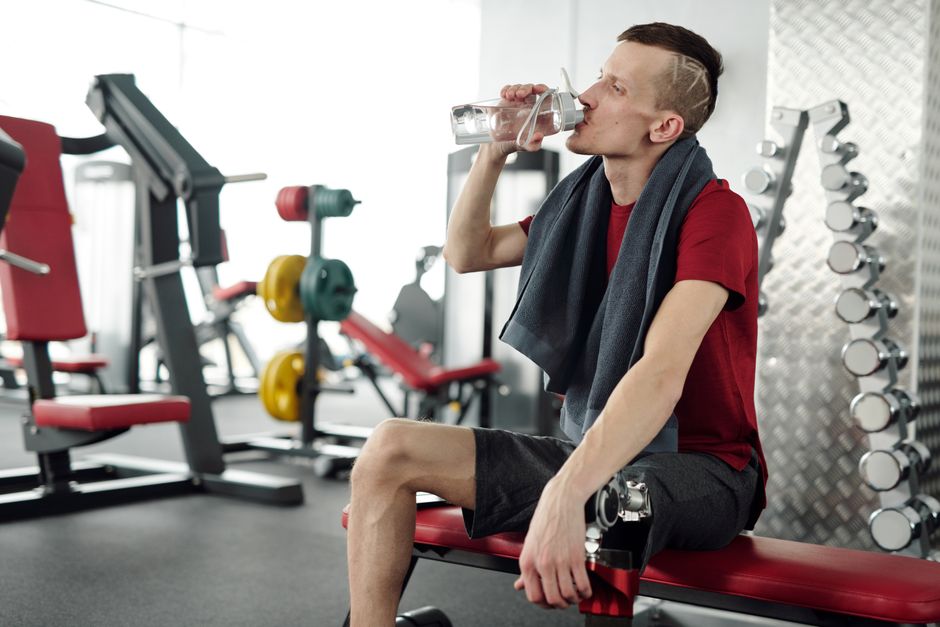
Water helps with weight loss, but not in the way most people hope. It does not burn fat or melt pounds. What it does is support the behaviors that lead to weight loss: it can replace higher-calorie drinks, help you feel fuller before a meal, and keep your body running well enough to exercise and recover. The effect is real but modest. Anyone promising that water alone will transform your body is selling something the evidence does not support.
Does drinking water actually help you lose weight?
Yes, in a limited and indirect way. Water contributes to weight loss mainly by displacing other drinks and by taking up space in your stomach. It is not a fat-burning agent.
The clearest mechanism is substitution. If you drink water instead of soda, sweet tea, juice, or a latte, you cut calories without feeling deprived. A single sugary drink can carry a meaningful share of a day’s calories, and swapping it for water is one of the simplest dietary changes a person can make. This is well established. The calories you avoid are the calories that matter.
The second mechanism is satiety. Drinking water before a meal can take the edge off hunger for some people. The research here is more mixed. Some studies suggest pre-meal water intake modestly reduces how much people eat, while others find little effect. It seems to work better for middle-aged and older adults than for younger people, though the reasons are not fully clear.
What water does not do is speed up your metabolism in any meaningful way. You may see claims about “water-induced thermogenesis” — the idea that cold water forces your body to burn calories warming it up. The effect exists in principle but is small enough that it does not add up to noticeable weight loss on its own.
How does drinking a lot of water help with weight loss?
The honest framing is that water helps the conditions around weight loss rather than the fat loss itself. Think of it as removing friction, not adding fire.
Here is where it genuinely contributes:
- Replacing caloric drinks. This is the strongest and most reliable benefit. Water has zero calories, so any high-calorie beverage it replaces is a direct savings.
- Supporting fullness. Water adds volume to your stomach. Foods with high water content — soups, fruits, vegetables — tend to be more filling per calorie, and drinking water alongside meals can add to that effect for some people.
- Keeping exercise tolerable. Even mild dehydration can make workouts feel harder and reduce performance. If you exercise to manage weight, staying hydrated helps you show up and finish.
- Preventing thirst from being mistaken for hunger. Some people eat when they are actually thirsty. Drinking water first can clarify whether you are genuinely hungry.
None of these are dramatic. Together they create a small, sustainable edge. That is the realistic picture.
How much water should you drink for weight loss?
There is no specific water intake proven to cause weight loss. No clinical guideline sets a “weight loss dose” of water, because the relationship is not dose-dependent in that way. More water does not mean more fat loss.
General hydration guidance is a different matter. The commonly cited figure of about eight 8-ounce glasses a day is a rough, informal target, not a strict medical rule. Actual needs vary with body size, activity, climate, and diet. The widely used reference for total daily fluid intake — including water from food — is roughly 3.7 liters for men and 2.7 liters for women, though individual needs vary and these are general population figures, not personal prescriptions.
A practical approach: drink enough that your urine stays pale yellow, and drink more when you sweat, exercise, or are in heat. If you are using water to support weight loss, the timing that has the most support is drinking a glass before meals and choosing water over caloric drinks throughout the day.
One caution worth stating plainly: drinking extreme amounts of water in a short period can be dangerous. It can dilute the sodium in your blood, a condition called hyponatremia. This is rare in everyday life but does happen, particularly in endurance athletes who over-drink during long events. “A lot of water” should mean steady hydration, not forcing large volumes quickly.
What does the research actually show?
The evidence for water and weight loss is real but modest, and it points to water as a supporting habit rather than a primary strategy.
Some studies suggest that drinking water before meals, combined with a reduced-calorie diet, is associated with greater weight loss than the diet alone — particularly in middle-aged and older adults. Other trials have found smaller or inconsistent effects. The evidence is mixed but leans toward a small benefit when water replaces caloric drinks and is paired with an overall dietary change.
What the research does not support is the idea that simply drinking more water, without changing anything else, produces meaningful weight loss. No large trial has confirmed that. If you keep eating and drinking exactly as before and only add water on top, you should not expect the scale to move much.
This is where a lot of marketing goes wrong. Products and programs that promise water-driven fat loss are overselling a modest effect. The mechanism is substitution and fullness, not magic.
Can water replace diet drinks and help you cut calories?
Replacing sugary drinks with water is one of the most reliable calorie-cutting moves available. Replacing diet drinks with water is less clear-cut.
Sugar-sweetened beverages are a well-documented source of excess calories, and cutting them is consistently linked to lower calorie intake. If you currently drink regular soda or sweetened coffee drinks, switching to water is a straightforward win. The calories you avoid are real and immediate.
For diet sodas and other zero-calorie drinks, the picture is murkier. These drinks do not add calories, so swapping them for water does not directly cut intake. Some research has explored whether artificial sweeteners affect appetite or eating behavior, but the findings are not consistent, and no strong conclusion has been reached. If you enjoy diet drinks and they help you avoid sugary ones, there is no strong reason to force yourself off them in the name of weight loss. Water is the better default, but the gap is smaller than marketing suggests.
Here is a comparison of what different drinks contribute:
| Drink | Calories (typical 12 oz) | Effect on weight when swapped for water |
|---|---|---|
| Water | 0 | Baseline |
| Regular soda | About 140 | Direct calorie savings |
| Sweetened iced tea | About 100–120 | Direct calorie savings |
| Fruit juice | About 150–170 | Direct calorie savings |
| Diet soda | 0 | Little direct effect |
Calorie figures are approximate and vary by brand. The point is that the savings come from what you stop drinking, not from the water itself.
What else matters more than water for weight loss?
Water is a supporting player. The main drivers of weight loss are the ones that have held up under years of research: a sustained calorie deficit, adequate protein, regular physical activity, and sleep.
Calories still govern weight change. Water helps you manage them by displacing caloric drinks and supporting fullness, but it cannot override a surplus. Protein helps preserve muscle and supports fullness. Movement — both structured exercise and daily activity — affects energy balance and health independent of weight. Sleep affects appetite hormones and eating behavior. None of these can be replaced by drinking more water.
The realistic role for water is as one habit in a larger set. It is easy, cheap, and low-risk. It removes a common source of hidden calories. It supports the exercise and daily function that weight management depends on. That is worth doing, and it is also the honest limit of what water can offer.
If you are making changes for weight loss and want the highest-leverage first step, cutting sugary drinks and replacing them with water is a reasonable place to start. Pair it with attention to what you eat overall. Expect slow, steady change rather than a rapid drop. That is how weight loss actually works.
Frequently Asked Questions
Does drinking water burn belly fat?
No. Water does not target fat, including belly fat, and no evidence shows it burns fat directly. It supports weight loss indirectly by replacing caloric drinks and helping with fullness.
How much water should I drink a day to lose weight?
There is no specific amount proven to cause weight loss, so no “weight loss dose” exists. General hydration guidance is to drink enough that urine stays pale yellow, and to choose water over sugary drinks.
Is it better to drink water before or after meals for weight loss?
Before meals has slightly more support, since it may help you feel fuller and eat a bit less. The effect is modest and varies by person.
Can drinking too much water be harmful?
Yes, in rare cases. Drinking extreme amounts very quickly can dilute blood sodium, a condition called hyponatremia. Steady hydration throughout the day is safe for most people; forcing large volumes fast is not.
