
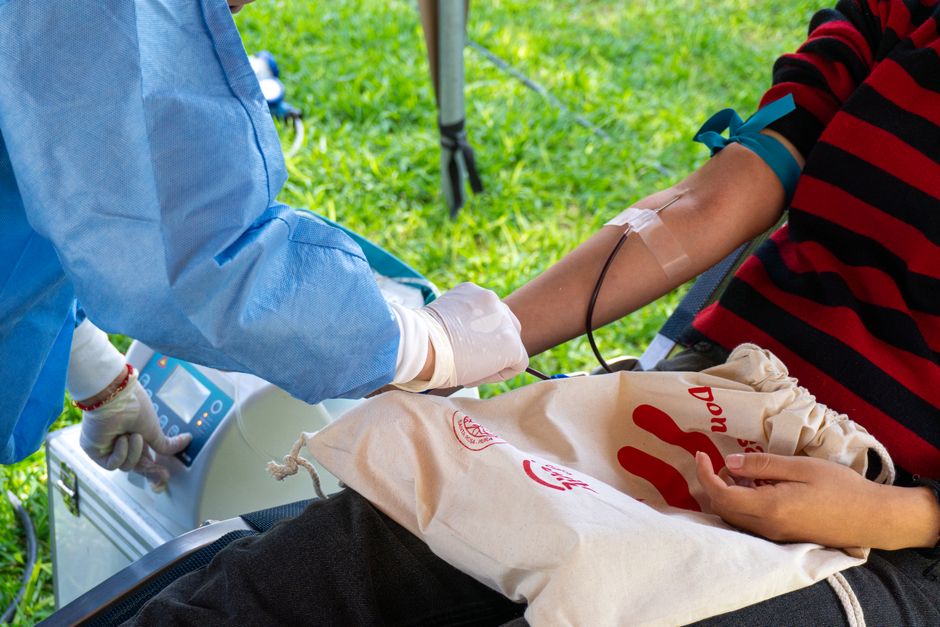
Donating blood is safe for most healthy adults, and the short-term effects on your body are well understood. A standard whole-blood donation removes about one pint (roughly 450–500 mL), and your body replaces the plasma within about 24 to 48 hours. Red blood cells take longer to recover — typically several weeks — which is why donation centers enforce a minimum waiting period between donations. For most people, the process is a brief, manageable event rather than a strain on health.
Is Donating Blood Healthy?
For a healthy adult, donating blood is generally not harmful and may carry some health benefits, though the evidence for those benefits is mixed. The strongest and most consistent finding is that donation is safe when screening guidelines are followed and the donor is not already anemic or iron-deficient.
Regular blood donation does have a measurable effect on the body’s iron stores. Each whole-blood donation removes a substantial amount of iron in the form of hemoglobin inside red blood cells. For people with a tendency toward high iron levels, this can be beneficial. For people with low iron, it can be a problem.
Some research has looked at whether blood donation reduces cardiovascular risk, based on the idea that lower iron stores might reduce oxidative stress. The results are inconsistent. Some studies suggest an association between donation and lower heart disease risk; others do not confirm it. This is not an established benefit, and no major health organization recommends donating blood as a way to prevent heart disease.
What Happens to Your Body After You Donate Blood?
The body begins compensating almost immediately. When you lose about a pint of blood, your blood volume drops, and the body responds by shifting fluid from surrounding tissues into the bloodstream to restore volume. This is why you are asked to drink extra fluids before and after donating.
Plasma volume returns to normal within roughly 24 to 48 hours if you stay hydrated. Red blood cells are a different story. Your body needs to manufacture new red blood cells, which requires iron, vitamin B12, and folate. This process takes weeks, not hours. Most blood centers require a waiting period of about 56 days (8 weeks) between whole-blood donations for this reason. That interval is not arbitrary — it reflects the time the body needs to rebuild red cell mass and iron stores.
Hemoglobin levels are checked before every donation for exactly this reason. If your hemoglobin is too low, you are deferred — not because donation would be dangerous in that moment, but because your body may not have recovered from the last donation, or you may have an underlying issue.
Does Donating Blood Lower Your Iron Levels?
Yes, and this is the most clinically significant effect of regular donation. Each whole-blood donation removes iron that is bound inside hemoglobin. Over time, frequent donors — especially those who donate every eight weeks for years — can develop depleted iron stores even if their hemoglobin still looks acceptable.
This is a recognized issue in blood banking. Research has shown that a meaningful proportion of frequent blood donors develop low ferritin, which is the protein that stores iron. Ferritin can be low before hemoglobin drops, meaning a donor can pass the hemoglobin screening while still having low iron reserves. This is sometimes called iron depletion without anemia.
Symptoms of low iron can include fatigue, reduced exercise tolerance, and difficulty concentrating. These symptoms are easy to dismiss or attribute to other causes. If you donate regularly and feel persistently tired, it is reasonable to ask your doctor to check your ferritin level, not just your hemoglobin.
Some blood collection organizations have started offering ferritin testing or iron supplementation guidance to frequent donors. Practices vary by center and country. If you donate often, it is worth asking what your center recommends.



Who Should Not Donate Blood?
Blood donation is not appropriate for everyone, and the reasons fall into a few categories. Some are about protecting the donor’s health. Others are about protecting the recipient.
- Low hemoglobin or known iron deficiency: Donation is deferred until levels recover.
- Active infection or fever: You will be asked to wait until you are well.
- Pregnancy: Donation is generally not performed during pregnancy.
- Certain medications and medical conditions: Rules vary widely. Some medications disqualify you; others do not.
- Recent travel to certain regions: This relates to infection risk such as malaria.
- History of certain infections: Including HIV, hepatitis B and C, and others, depending on the screening criteria in your country.
Eligibility rules are specific and updated regularly. The best source of information is the blood center you plan to use, not a general article. When in doubt, call ahead and ask.
One clarification worth making: many people assume they are permanently barred because of a past condition or a medication they take. In reality, many deferrals are temporary. A deferral is not always a permanent exclusion, and the rules differ by country and by center.
What Are the Risks of Donating Blood?
The most common side effect is feeling lightheaded or faint during or shortly after donation. This happens because of the drop in blood volume and a vagal response — a reflex that can slow your heart rate and lower blood pressure. It is usually brief and resolves with rest, fluids, and food.
Bruising at the needle site is common and generally harmless. It resolves on its own within a week or two. In rare cases, the needle can irritate a nerve, causing temporary tingling or discomfort in the arm.
Serious complications are uncommon. Infection at the needle site is rare because the skin is thoroughly cleaned and sterile equipment is used. There is no risk of catching an infection from donating blood — all needles and collection equipment are used once and discarded.
The main risk with repeated donation is iron depletion, as discussed above. This is not a rare event in frequent donors, and it is the reason many centers track donation frequency and screen hemoglobin at every visit.
How Much Blood Do You Actually Give?
A standard whole-blood donation is about one pint, or roughly 450 to 500 milliliters. That is roughly 8 to 10 percent of the average adult’s total blood volume. For a person weighing around 150 pounds, total blood volume is roughly 10 to 12 pints.
Other types of donation remove different amounts and different components:
- Whole blood: About one pint. Takes roughly 8 to 10 minutes for the draw, plus screening and recovery time.
- Plasma donation (apheresis): Plasma is separated and the rest of the blood is returned to you. This can take longer, often around 45 minutes to an hour.
- Platelet donation (apheresis): Platelets are collected and other components returned. This typically takes longer than a whole-blood donation, often around 1.5 to 2 hours.
Because plasma and platelets are returned to the donor during apheresis, the body’s recovery is different from whole-blood donation. Plasma is replaced relatively quickly. Platelets are also replaced faster than red blood cells, which is why the waiting period between platelet donations is shorter than for whole blood.
How Should You Prepare Before and After Donating?
Preparation makes a real difference in how you feel during and after donation. The main goal is to arrive well-hydrated and not on an empty stomach.
Drink extra water in the hours before your appointment. Eat a normal meal, ideally not one that is very high in fat, since fat can affect some testing. Avoid alcohol beforehand. Get reasonable sleep.
After donating, keep the bandage on as instructed, usually for a few hours. Drink more fluids than usual for the rest of the day. Avoid heavy lifting or intense exercise for the remainder of the day. If you feel lightheaded, sit or lie down with your legs elevated until it passes.
Most people feel completely normal within a day. Some feel more tired than usual for a day or two. If fatigue persists beyond that, or if you feel short of breath or unusually weak, contact a healthcare provider.
Does Donating Blood Have Any Proven Health Benefits?
The clearest benefit is not to the donor — it is to the recipient. A single donation can be used to help multiple patients, depending on how the blood is separated into components. That is a real, well-documented outcome.
For the donor, the evidence for health benefits is weaker than many headlines suggest. The iron-lowering effect is real and measurable. Whether that translates into reduced cardiovascular risk or other long-term health advantages is not established. The studies are mixed, and the mechanisms proposed are plausible but not proven.
What can be said with confidence is this: for a healthy adult who meets eligibility criteria, donating blood is a low-risk activity with a modest and generally reversible effect on the body’s iron stores. It is not a treatment for any condition, and it is not a substitute for medical care. It is a safe, useful thing most healthy adults can do — with attention to hydration, nutrition, and donation frequency.
Frequently Asked Questions
Is donating blood healthy or harmful?
For most healthy adults who meet eligibility criteria, donating blood is safe and not harmful. The main concern with repeated donation is iron depletion, which is why centers enforce waiting periods and check hemoglobin before each donation.
How long does it take to recover from donating blood?
Plasma volume is typically restored within about 24 to 48 hours with proper hydration. Red blood cells take several weeks to fully rebuild, which is why most centers require roughly 8 weeks between whole-blood donations.
Can donating blood cause low iron?
Yes, frequent donation can deplete iron stores even when hemoglobin still passes screening. Ferritin, which reflects stored iron, can drop before hemoglobin does, so regular donors with persistent fatigue may want their ferritin checked.
Does donating blood reduce heart disease risk?
No established evidence confirms that donating blood lowers heart disease risk. Some studies suggest an association, but results are inconsistent, and no major health organization recommends donation for this purpose.
