
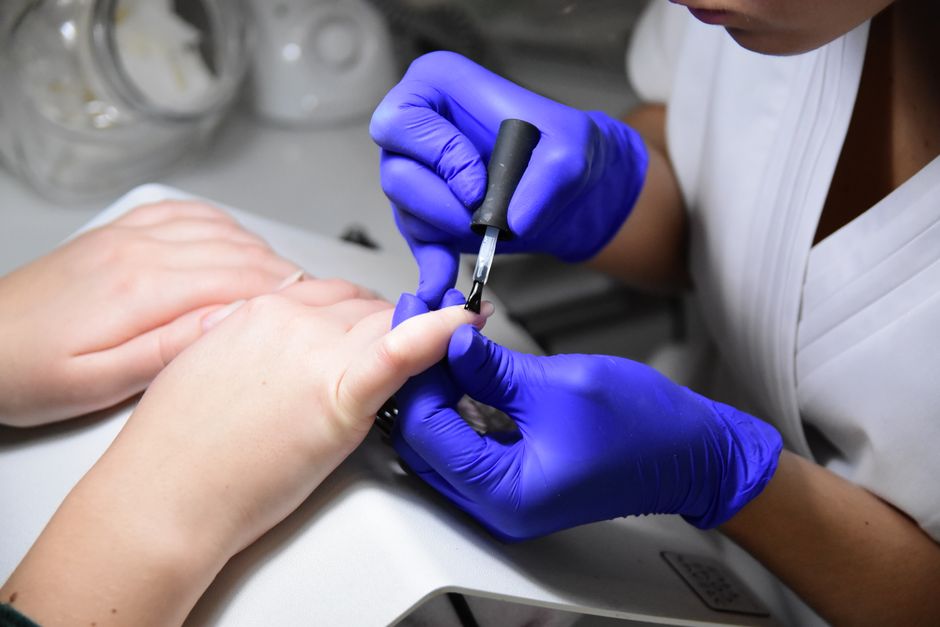
DND gel polish is not guaranteed to be HEMA-free. HEMA stands for hydroxyethyl methacrylate, a monomer used in many gel polish formulas to help them cure and bond to the nail. Whether a specific DND product contains it depends on the individual formula, not the brand as a whole. The only reliable way to know is to check the ingredient list on the bottle or the safety data sheet for that exact product.
Is DND Gel Polish HEMA Free?
There is no single answer that covers every DND product. DND makes a large line of gel polishes, and formulas change over time. Some products may be made without HEMA. Others may contain it or a related acrylate.
What matters is the specific bottle in front of you. A brand name does not tell you what is inside. Ingredient lists do.
If you cannot find a full ingredient list, that is a real problem. A product page that says “HEMA-free” without listing ingredients is not proof. Look for the actual INCI list, which is the standardized naming system for cosmetic ingredients.
Why the brand name does not answer the question
DND is a manufacturer and distributor, not a single formula. The company sells many colors and lines. Each one can use different monomers. A reformulation can also change what is in a product without changing its name.
This is why “Is DND HEMA-free?” is the wrong question. The right question is “Is this specific DND product HEMA-free?”
What Is HEMA and Why Is It in Gel Polish?
HEMA is a small acrylate monomer. In gel polish, monomers like HEMA link together into long chains when exposed to UV or LED light. This is what turns a wet liquid into a hard, glossy film that stays on the nail.
HEMA is popular because it is small and flexible. It helps formulas cure well and adhere to the nail plate. It also has a low viscosity, meaning it flows easily.
The trade-off is that small monomers like HEMA are more likely to penetrate the skin. That matters for allergy risk.
Why Do People Worry About HEMA in Nail Products?
HEMA is a known skin sensitizer. That means repeated exposure can train the immune system to react to it. Once that happens, the reaction tends to be lifelong.
The key word is repeated. A single exposure is unlikely to cause a problem. The risk comes from ongoing contact, especially with uncured product.
This is why the concern is strongest for nail technicians, who handle these products daily, and for people who do their own nails often at home. Occasional salon visits carry a lower risk, though not zero.
What an allergy actually looks like
An acrylate allergy usually shows up as redness, itching, swelling, or tiny blisters around the nail folds, fingertips, or eyelids. It can appear days after exposure, not always right away.
If you develop these symptoms, stop using the product and see a dermatologist. A dermatologist can perform patch testing to identify which specific acrylate is causing the reaction. This matters because once you are sensitized to one acrylate, you may react to others.





Is HEMA-Free Gel Polish Safer?
HEMA-free does not automatically mean risk-free. This is one of the most misunderstood points in the nail industry.
Many HEMA-free formulas replace HEMA with other acrylates, such as HPMA or other methacrylates. These can also cause allergic reactions. Some people who react to HEMA also react to its substitutes.
The evidence on whether HEMA-free products are meaningfully safer for the general public is limited. For someone who is already sensitized to HEMA, avoiding it is clearly sensible. For someone who has never had a reaction, the picture is less clear.
What the evidence does support is that proper curing and avoiding skin contact reduce risk more reliably than switching formulas alone.
How to Reduce Your Risk With Any Gel Polish
The biggest risk factor is uncured product touching your skin. That applies whether the polish contains HEMA or not.
- Keep polish off the skin and cuticles. If it floods the skin, wipe it off before curing.
- Cure fully. Follow the lamp and timing the product maker specifies.
- Use the correct lamp. A lamp that does not match the product may leave it undercured.
- Do not use gel polish if you have an open cut, wound, or irritated skin near the nail.
- If you do your own nails often, consider gloves or careful technique to limit skin contact.
- Stop using any product that causes itching, redness, or swelling, and get it checked.
These steps are widely recommended by dermatologists and nail industry safety guidance. They are not a guarantee, but they address the main source of sensitization.
What Are the Alternatives?
If you want to avoid HEMA or reduce acrylate exposure, several options exist. Each has trade-offs.
| Option | What it is | Considerations |
|---|---|---|
| HEMA-free gel polish | Gel formulas that use other monomers | May still contain other acrylates that can cause reactions |
| Regular nail polish | Traditional lacquer that air-dries | No UV curing and no acrylate monomers, but chips faster |
| Nail wraps or stickers | Adhesive films applied to the nail | No liquid monomer, but adhesives can also irritate some people |
| Press-on nails | Pre-made nails attached with glue or tabs | Glue may contain acrylates; tabs are an option |
| Bare nails with care | No product, just nail maintenance | Eliminates acrylate exposure entirely |
Regular nail polish is often the simplest choice for someone with a confirmed acrylate allergy, since it does not rely on acrylate monomers to cure. It still contains other ingredients that can occasionally irritate skin, but the allergy concern is different.
How to Read a Gel Polish Ingredient List
Ingredient lists use INCI names, which can look unfamiliar. Here is what to scan for.
HEMA appears on labels as hydroxyethyl methacrylate. Related acrylates have similar names, often ending in “acrylate” or “methacrylate.” Examples include hydroxypropyl methacrylate (HPMA) and ethyl methacrylate.
If a product claims to be HEMA-free, check whether it still lists other acrylates. It almost certainly does, because gel polish needs some monomer to cure. That is not automatically bad, but it is worth knowing.
If you have a diagnosed allergy, bring the ingredient list to your dermatologist. They can help you identify which specific acrylates to avoid.
The Bottom Line on DND and HEMA
DND is not a HEMA-free brand by definition. Some products may be free of it, and others may not. The label on your specific product is the only reliable source.
HEMA is a genuine sensitizer, and the concern is real, especially with repeated exposure. But HEMA-free is not the same as safe. Other acrylates carry similar risks, and proper curing and skin protection matter more than the presence or absence of any single ingredient.
If you have had a reaction, see a dermatologist and get patch tested. If you have not, focus on technique: keep product off your skin, cure it fully, and stop using anything that causes symptoms.
Frequently Asked Questions
Is DND gel polish HEMA free?
Not necessarily. DND makes many products with different formulas, and some may contain HEMA while others do not. Check the ingredient list on your specific bottle to know for sure.
What does HEMA do in gel polish?
HEMA is a monomer that links together when cured under UV or LED light, turning the liquid polish into a hard film. It helps the polish cure and bond to the nail.
Is HEMA-free gel polish safer?
Not automatically. Many HEMA-free formulas use other acrylates that can also cause allergic reactions. Proper curing and keeping product off the skin reduce risk more reliably than switching formulas.
What are signs of a gel polish allergy?
Redness, itching, swelling, or tiny blisters around the nails, fingertips, or eyelids can signal an acrylate allergy. If these appear, stop using the product and see a dermatologist for patch testing.
