
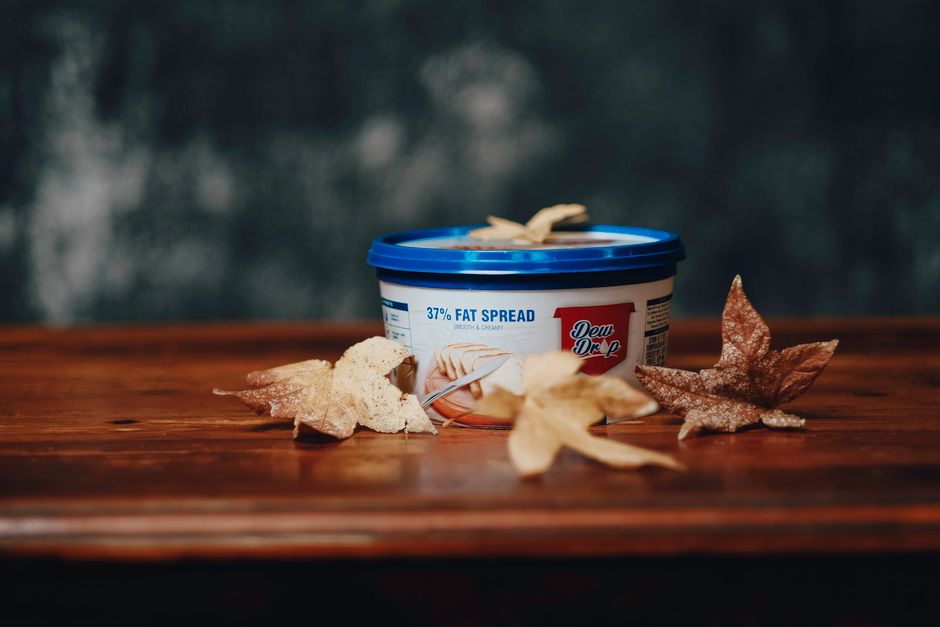
Crisco is not lard. Lard is rendered pork fat. Crisco is a vegetable shortening made from soybean oil and other plant oils that have been processed to stay solid at room temperature. The two products look alike in the tub and behave similarly in a pie crust, but they come from completely different sources and have different nutritional profiles.
The confusion is understandable. Both are white, semi-solid fats sold in cans and used for frying and baking. But calling Crisco a lard is like calling margarine a butter — similar job, different origin.
What Is Crisco Actually Made Of?
Crisco is a brand of vegetable shortening. The original product was introduced in 1911 and was made primarily from cottonseed oil. Today’s formulas are built around soybean oil, often blended with palm oil and other vegetable oils.
The key process is hydrogenation. Liquid vegetable oil is treated with hydrogen to make it more solid and shelf-stable. This is what turns a pourable oil into the white, scoopable fat in the tub.
That hydrogenation step matters for health. Partial hydrogenation was once the main way to solidify oils, and it produces trans fats. The FDA determined in 2015 that partially hydrogenated oils are no longer generally recognized as safe, and food makers were required to remove them from products over the following years. Current Crisco products are made without partially hydrogenated oils. The label will list the specific oils used, and those oils can change between product lines and over time.
What Is Lard, Then?
Lard is rendered pork fat. It comes from the fatty tissue of a pig, usually the back or the leaf fat around the kidneys. The fat is slowly heated so it melts and separates from connective tissue and moisture, then it is strained and cooled into a solid white fat.
Lard has been used for centuries in cooking and baking. It is an animal fat, so it contains cholesterol and saturated fat. Its exact fatty acid profile varies depending on what the pig was fed and which part of the animal the fat came from.
Unlike shortening, lard is not hydrogenated. It is solid at room temperature because of its natural saturated fat content, not because of an industrial process.
Is Crisco A Lard? The Key Differences
No — Crisco is a plant-based shortening, while lard is rendered animal fat. The difference starts at the source and carries through to how each one is made and what it contains.
Here is how the two compare on the points that matter most:
- Source: Crisco comes from vegetable oils. Lard comes from pork fat.
- Processing: Crisco is hydrogenated to become solid. Lard is rendered and naturally semi-solid.
- Cholesterol: Crisco contains no cholesterol because it is plant-based. Lard contains cholesterol because it is animal fat.
- Saturated fat: Both contain saturated fat. Lard is generally higher in saturated fat than vegetable shortening, though exact amounts vary by product and by the pig.
- Flavor: Crisco is neutral and nearly flavorless. Lard carries a mild pork flavor that many bakers value in savory crusts.
One non-obvious point: vegetable shortening and lard are not interchangeable in every recipe. Lard brings flavor and a distinct texture to pastry. Shortening is prized for producing a tender, flaky crust precisely because it is neutral and contains no water. Swapping one for the other changes the result.
Which One Is Healthier?
Neither is a health food, and the evidence does not support crowning one as clearly better. Both are concentrated fats with a lot of calories per tablespoon. The better choice depends on how you use them and what else is in your diet.
The main concern with shortening has historically been trans fat from partial hydrogenation. Current Crisco products are made without partially hydrogenated oils, which removes that specific concern. What remains is a highly processed fat that is high in calories and, depending on the blend, can be high in saturated fat.
Lard’s main concern is its saturated fat and cholesterol content. Diets high in saturated fat are associated with higher LDL cholesterol, which is a risk factor for heart disease. That association is well established. How much any single fat matters depends on the whole diet, not one ingredient.
Both fats break down at high heat in ways that differ from each other, and both have smoke points that make them suitable for frying and baking. Neither is a “healthy” oil in the way olive oil or canola oil is often framed. They are traditional cooking fats best used in moderation.
Why Do People Confuse Crisco With Lard?
The mix-up comes down to appearance and history. Both are white, solid fats sold in similar packaging and used for the same kitchen jobs.
There is also a historical reason. When Crisco launched in the early 1900s, it was marketed as a cheaper, longer-lasting alternative to lard. Home cooks who had always used lard were the target audience. The two products occupied the same shelf and the same role in the kitchen, so the association stuck.
Add in that many people have never seen actual lard, and it becomes easy to assume the white tub of shortening must be some kind of lard. It is not. The ingredient list settles the question quickly.
How Can You Tell Them Apart?
Read the label. This is the fastest and most reliable way to know what you are buying.
Crisco and other vegetable shortenings list vegetable oils — such as soybean oil and palm oil — as their main ingredients. Lard lists pork fat or rendered pork fat. There is no ambiguity once you check.
You can also tell them apart by where they sit in the store. Shortening is usually shelved with baking supplies. Lard is often found near the meat counter, in the refrigerated section, or with other cooking fats. And if you taste a small amount, lard has a faint savory flavor while shortening tastes like almost nothing.
If a recipe calls for lard and you only have shortening, the dish will still work in many cases, but the flavor and texture will differ. The reverse is also true. Knowing which one you actually have helps you get the result you want.
Frequently Asked Questions
Is Crisco the same as lard?
No, Crisco is a vegetable shortening made from plant oils, while lard is rendered pork fat. They look similar but come from completely different sources.
Is Crisco made from animal fat?
No, Crisco is made from vegetable oils such as soybean and palm oil. It contains no animal fat and no cholesterol.
Can I substitute Crisco for lard in a recipe?
You can substitute shortening for lard in many recipes, but the flavor and texture will change because lard adds a savory taste and shortening does not. Results vary by recipe.
Does Crisco still contain trans fat?
Current Crisco products are made without partially hydrogenated oils, which were the main source of trans fat in shortening. Check the nutrition label on the specific product to confirm.
