
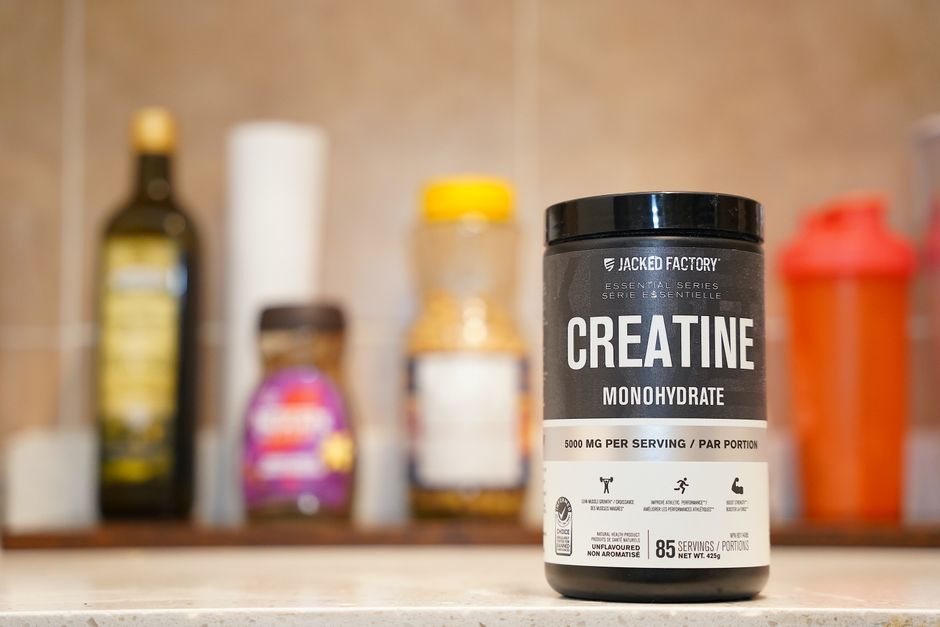
Creatine is not a performance-enhancing drug. It is a dietary supplement made from amino acids that your body already produces and that occurs naturally in foods like red meat and fish. Sports organizations like the NCAA and the International Olympic Committee do not ban creatine, and athletes can use it without penalty. The confusion happens because creatine genuinely improves athletic performance, which makes some people assume it must be a PED. The reality is more straightforward: creatine is one of the most studied supplements in sports nutrition, and it works through a natural energy pathway, not through hormonal or pharmacological manipulation.
What Makes Something A Performance-Enhancing Drug?
A performance-enhancing drug, or PED, is a substance banned by a sports governing body because it gives an athlete an unfair advantage or poses a health risk. The World Anti-Doping Agency (WADA) maintains the most widely recognized list of banned substances. That list includes anabolic steroids, stimulants, hormones like EPO and growth hormone, and diuretics.
Creatine is not on any banned substance list. The NCAA permits it. The IOC permits it. Professional sports leagues permit it. If creatine were a PED, every major sports organization would ban it. They do not.
The term “PED” carries legal and regulatory weight. Calling creatine a PED misuses that term. It would be like calling caffeine a PED because it can improve endurance performance. Both are legal supplements that can enhance performance, and neither is banned.
Why People Confuse Creatine With Steroids
Creatine and anabolic steroids both help build muscle. That is where the similarity ends, but for many people, that similarity is enough to cause confusion.
Steroids work by binding to androgen receptors and altering gene expression. They change how your body processes protein, increase testosterone activity, and can cause dramatic muscle growth in weeks. They also carry serious side effects including liver damage, heart problems, hormonal disruption, and psychiatric effects.
Creatine works completely differently. It increases the amount of phosphocreatine stored in muscle cells. Phosphocreatine helps regenerate ATP, which is the primary energy currency for short, intense efforts like sprinting or heavy lifting. Creatine does not bind to receptors. It does not alter hormones. It does not change gene expression. It simply gives your muscles more fuel for explosive movements.
Some research suggests creatine may also increase water content in muscle cells, which can signal pathways related to muscle growth. But this is a natural cellular response, not a pharmacological manipulation. The muscle gained from creatine is modest compared to steroids, typically a few pounds of water and lean mass over weeks of training.
How Creatine Actually Works In The Body
Your body makes creatine in the liver, kidneys, and pancreas from three amino acids: arginine, glycine, and methionine. You also get creatine from eating animal products. Most people store about 120 grams of creatine in their muscles, and about 95 percent of that is in skeletal muscle.
When you perform a maximal effort like a heavy squat or a sprint, your muscles use ATP for energy. ATP loses a phosphate group and becomes ADP. To keep going, your muscles need to regenerate ATP quickly. Phosphocreatine donates its phosphate group to ADP, turning it back into ATP. This system is called the phosphocreatine system, and it powers efforts lasting roughly 10 seconds or less.
Supplementing with creatine increases muscle phosphocreatine stores by about 20 percent on average. More phosphocreatine means your muscles can regenerate ATP faster and for longer during short, intense efforts. That translates to one or two extra repetitions in the gym, slightly faster sprint times, or more total work completed in a training session.
Over weeks and months, being able to do slightly more work in each session leads to greater training adaptations and more muscle growth. This is why creatine is effective. It is not magic. It is not a drug. It is a fuel supplement for a specific energy system.





Is Creatine Considered A PED Or Just A Supplement?
Creatine is a supplement, not a PED. The distinction matters for legal, regulatory, and health reasons. Banned PEDs come with real risks and consequences for athletes who test positive. Creatine carries no such risk because it is not banned.
The supplement industry is regulated differently from pharmaceuticals. In the United States, the FDA regulates dietary supplements under the Dietary Supplement Health and Education Act of 1994. This means manufacturers are responsible for ensuring their products are safe and properly labeled, but the FDA does not approve supplements before they hit the market.
This regulatory gap means supplement quality varies. Some products may contain less creatine than the label claims. Others may contain contaminants. Third-party testing organizations like NSF International and Informed Sport test supplements for banned substances and verify label accuracy. Athletes who want to be certain their creatine is clean should look for products with these certifications.
What The Research Actually Shows About Creatine
Creatine is one of the most researched supplements in existence. Hundreds of studies have examined its effects on muscle mass, strength, power, and exercise performance. The evidence consistently shows that creatine supplementation increases muscle creatine stores and improves performance in high-intensity, short-duration activities.
Research also shows creatine is safe for healthy people when taken at recommended doses. Long-term studies lasting several years have not found serious adverse effects in healthy individuals. The most common side effect is water retention, which explains the rapid weight gain some people experience in the first week of supplementation.
Some people worry about kidney damage from creatine. This concern comes from the fact that creatine increases creatinine levels in the blood, and creatinine is a marker used to assess kidney function. Elevated creatinine can look like kidney impairment on a blood test. However, studies in healthy people have not found that creatine actually damages kidneys. People with pre-existing kidney disease should talk to their doctor before taking creatine because the long-term effects in this population are not well established.
Common Myths About Creatine That Will Not Go Away
One persistent myth is that creatine is a steroid. It is not. As explained above, the mechanisms are entirely different.
Another myth is that creatine causes cramping and dehydration. Multiple studies have examined this claim, and the evidence does not support it. Some research actually suggests creatine may reduce cramping risk by improving fluid retention in muscle cells. The myth likely started because creatine is often used in sports that involve heat and dehydration, but no causal link has been found.
A third myth is that creatine damages hair or causes baldness. This claim comes from a single study published in 2009 that found an increase in a testosterone byproduct called DHT in rugby players taking creatine. DHT is linked to hair loss in genetically susceptible people. However, no study has ever shown that creatine actually causes hair loss, and the 2009 study has not been replicated. The theoretical link is weak, and no clinical evidence confirms this side effect.
Who Should And Should Not Take Creatine
Creatine is most effective for people doing short, intense exercise. That includes weightlifters, sprinters, football players, and other athletes in sports that require explosive power. Endurance athletes may see less benefit because their events rely on aerobic energy systems rather than the phosphocreatine system.
Vegetarians and vegans often have lower baseline muscle creatine stores because they do not eat animal products. Research suggests they may see greater benefits from supplementation than people who eat meat, simply because they start from a lower baseline.
People with kidney disease should avoid creatine unless their doctor approves it. People taking medications that affect kidney function should also speak with their doctor first. Pregnant and breastfeeding women should not take creatine because no clinical guidelines exist for this population.
For healthy adults, the standard protocol is to take 3 to 5 grams of creatine monohydrate daily. Some people do a loading phase of 20 grams per day for five to seven days to saturate muscles faster, but this is not necessary. Taking 3 to 5 grams daily will fully saturate muscle stores in about three to four weeks.
How To Choose A Quality Creatine Product
Creatine monohydrate is the most studied form and the one with the most evidence behind it. Other forms like creatine ethyl ester, buffered creatine, and creatine hydrochloride are marketed as superior, but research has not shown them to be more effective than monohydrate. They are also more expensive.
Look for products that list creatine monohydrate as the only ingredient. Avoid blends with proprietary formulas that hide how much actual creatine you are getting. A simple powder with no fillers is the best choice.
Third-party testing is worth paying for. Products certified by NSF International or Informed Sport have been verified to contain what the label says and to be free of banned substances. This matters most for competitive athletes who undergo drug testing.
Frequently Asked Questions
Will creatine make me fail a drug test?
No. Creatine is not a banned substance in any major sports organization. Standard drug tests do not screen for creatine because it is a legal, naturally occurring compound.
Is creatine safe to take every day?
Yes, for healthy adults. Clinical studies lasting multiple years have not found serious side effects from daily creatine use at recommended doses of 3 to 5 grams.
How long does creatine take to work?
Most people notice increased strength and power within one to two weeks of daily supplementation. Full muscle saturation takes about three to four weeks at a standard 5 gram daily dose.
Can creatine cause kidney damage?
Studies in healthy people have not found that creatine damages kidneys. People with existing kidney disease should consult a doctor before taking creatine because safety in this population is not established.
