
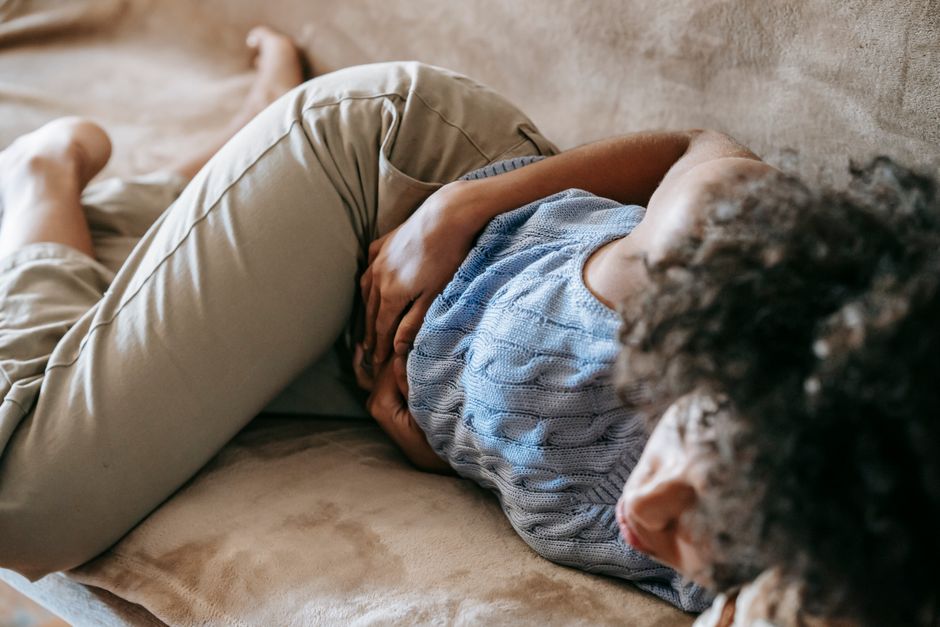
Mild cramping in early pregnancy is very common and usually nothing to worry about. As your uterus begins to stretch and grow, you will likely feel some pulling or twinges in your lower belly. However, not all cramping is normal, and knowing the difference between harmless discomfort and a sign of something serious is important for your health and your baby’s safety.
What Causes Cramping in Early Pregnancy?
Your body goes through major changes in the first trimester. The most common cause of normal cramping is the uterus expanding. Think of it like a muscle stretching to make room. This is often called “implantation cramping” when it happens around the time your period would have been due.
Hormones also play a big role. Progesterone relaxes your intestinal muscles, which can cause bloating and gas pain that feels like cramping. The American College of Obstetricians and Gynecologists notes that these digestive changes are a normal part of early pregnancy.
Another cause is increased blood flow to your pelvic area. Your body is building new blood vessels to support the pregnancy. This can create a feeling of fullness or mild pressure that some women describe as cramping. None of these are dangerous on their own.
How to Tell Normal Cramping From Warning Signs
The key difference is usually in the pattern and intensity. Normal cramping feels like a dull ache or mild pulling sensation. It comes and goes. It does not get stronger over time. It is often on one side or low in the center.
Warning signs include sharp pain that stops you in your tracks. Pain that gets worse instead of better. Cramping paired with bleeding heavier than spotting. The CDC reports that about 10 to 20 percent of known pregnancies end in miscarriage, and heavy bleeding with cramping is a primary symptom.
Another red flag is pain that radiates to your shoulder or neck. This can signal an ectopic pregnancy, where the embryo implants outside the uterus. Ectopic pregnancies are rare, occurring in about 1 to 2 percent of pregnancies according to the American Academy of Family Physicians, but they are a medical emergency.
Normal cramping usually responds to rest and hydration. Warning sign cramping does not improve and may even worsen when you lie still.
What Helps With Normal Pregnancy Cramping?
You do not need medication for mild cramping. Simple home remedies are often enough. Rest is the first thing to try. Lie on your left side to improve blood flow to your uterus. A warm bath can relax your muscles, but keep the water temperature below 100 degrees Fahrenheit to avoid overheating.
A warm compress on your lower belly can also provide relief. Use a heating pad on the lowest setting for no more than 15 minutes at a time. Do not place it directly on your skin. Wrap it in a towel first.
Staying hydrated is surprisingly effective. Dehydration can trigger uterine contractions that feel like cramps. The Institute of Medicine recommends pregnant women drink about 10 cups of fluids daily. Water is best.
Gentle movement like walking can help release gas and reduce bloating-related cramping. Avoid heavy lifting or intense exercise when cramps are present. Listen to your body.





When Should You Call Your Doctor About Cramping?
You should contact your healthcare provider if you experience any of the following. Cramping with bright red bleeding that soaks a pad in an hour. Cramping with fever over 100.4 degrees Fahrenheit. Cramping with dizziness or fainting. Cramping that is severe enough to keep you from standing or walking normally.
Research published in the journal Obstetrics & Gynecology found that women who call their provider early for concerning symptoms have better outcomes. Do not wait to see if it gets worse. A phone call is free and quick.
If you have a history of miscarriage or ectopic pregnancy, your doctor may want you to come in for an ultrasound even with mild cramping. Every pregnancy is different. Trust your instincts. If something feels wrong, it is worth a check.
Many women worry about overreacting. Doctors would rather see you and find nothing wrong than have you ignore a serious problem. You are not bothering them.
Common Misconceptions About Cramping in Pregnancy
One widespread myth is that all cramping means miscarriage is happening. This is not true. Most cramping in early pregnancy is harmless uterine stretching. A study in the British Medical Journal found that only about 1 in 5 women with first-trimester bleeding and cramping actually miscarry. Cramping alone without bleeding has an even lower risk.
Another myth is that you should not exercise if you have cramps. Gentle movement is usually fine and can help. The American College of Obstetricians and Gynecologists recommends moderate exercise during pregnancy unless your doctor specifically advises against it.
A third myth is that cramping means you are having twins or multiples. There is no evidence that twin pregnancies cause more cramping than single pregnancies. The uterus stretches the same way regardless of how many babies are inside.
Some people believe that eating certain foods causes cramping. Spicy foods or dairy do not directly cause uterine cramps. They can cause gas or indigestion that feels similar but is not the same thing. Do not cut out healthy foods based on this myth.
What Does Research Show About Cramping and Pregnancy Outcomes?
Research consistently shows that mild cramping without bleeding is not linked to negative pregnancy outcomes. A large study from the University of California followed over 5,000 pregnant women. Those who reported mild cramping in the first trimester had the same rates of healthy births as those who did not.
However, cramping combined with heavy bleeding does increase risk. The same study found that women with both symptoms had a higher chance of miscarriage in the first 12 weeks. This is why doctors take the combination seriously.
Another finding from research in the journal Human Reproduction Update is that cramping is more common in first pregnancies. Your body has never stretched this way before. The nerves and muscles are learning. Second and third pregnancies often involve less noticeable cramping.
There is no evidence that normal cramping harms the baby. The fetus is well protected in the amniotic sac. Mild uterine contractions from stretching do not affect blood flow or oxygen supply. Your baby is safe.
Is Cramping Normal In Pregnancy During the Second and Third Trimesters?
Yes, cramping can be normal later in pregnancy too. In the second trimester, round ligament pain is common. The round ligaments support your uterus and stretch as it grows. This can cause a sharp jolt or dull ache on one side of your lower belly. It usually happens when you change position quickly.
In the third trimester, Braxton Hicks contractions are normal. These are practice contractions that do not open the cervix. They feel like a tightening of the belly that comes and goes irregularly. They are not painful for most women.
Real labor contractions are different. They become longer, stronger, and closer together over time. They do not stop with rest or position changes. If you are less than 37 weeks pregnant and have regular contractions, call your doctor immediately. This could be preterm labor.
Dehydration can trigger Braxton Hicks contractions. Drinking water often makes them stop. If they continue despite hydration, mention it at your next prenatal visit.
Frequently Asked Questions
Is cramping without bleeding a sign of miscarriage?
Mild cramping alone without bleeding is rarely a sign of miscarriage. Most women with cramping alone go on to have healthy pregnancies.
Can dehydration cause pregnancy cramping?
Yes, dehydration is a common cause of cramping in pregnancy. Drinking enough water often resolves the discomfort within an hour.
When should I go to the ER for pregnancy cramping?
Go to the emergency room if cramping is severe, accompanied by heavy bleeding, fever, dizziness, or shoulder pain. These can signal a serious condition.
Does cramping mean the baby is growing normally?
Mild cramping is a normal part of uterine growth and does not by itself indicate anything about your baby’s health. Your prenatal ultrasounds are the best measure of normal growth.
