
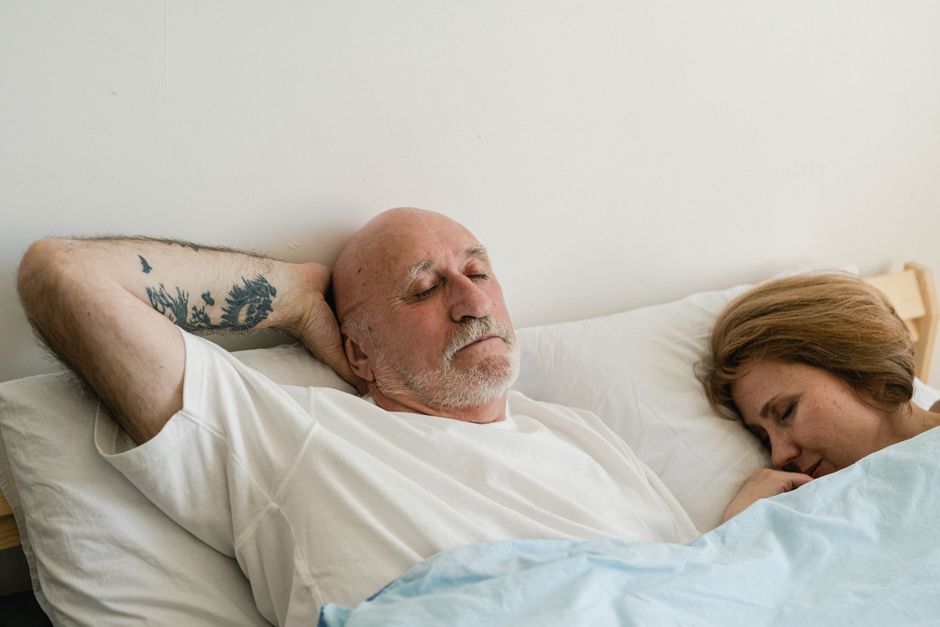
For most people with obstructive sleep apnea, CPAP is a long-term treatment, not a short course. The machine does not cure the condition. It holds the airway open while you sleep, and the apnea returns when you stop. Whether you can ever stop depends on why you had it in the first place and whether that underlying cause has genuinely changed. Some people can come off CPAP. Most cannot. The only safe way to find out is a repeat sleep study, not a self-test at home.
Why Is CPAP Usually a Lifelong Treatment?
CPAP works by pushing a steady stream of air through your nose or mouth to keep the upper airway from collapsing during sleep. The airway collapse in obstructive sleep apnea happens because of anatomy and muscle relaxation during sleep, not because of an infection you recover from. Take away the air pressure and the collapse comes right back.
This is the part many people miss. CPAP is a bit like glasses. Glasses correct your vision while you wear them. They do not fix your eyes. CPAP corrects your breathing while you use it. It does not remodel the tissues that block your airway.
There are a few situations where the underlying problem truly resolves. Weight loss is the biggest one, and it is covered below. Upper airway surgery helps some people. Losing the apnea after treating another condition, like an enlarged thyroid or severe nasal blockage, is possible in selected cases. But for the typical person with obstructive sleep apnea, the condition is chronic. Research consistently shows that apnea comes back when treatment stops in most people who had moderate to severe disease.
What Actually Causes Obstructive Sleep Apnea?
Obstructive sleep apnea happens when the soft tissues at the back of the throat collapse and block airflow during sleep. The brain senses the drop in oxygen, briefly wakes you, and you gasp or snort to reopen the airway. This can repeat many times an hour, all night, without you remembering any of it.
Several things make this more likely:
- Excess weight around the neck and upper body, which is the strongest modifiable risk factor
- The shape of your jaw, tongue, and airway — some people have a naturally narrow airway
- Large tonsils or a large tongue base
- Alcohol or sedating medicines before bed, which relax the airway muscles further
- Nasal blockage from allergies, polyps, or a deviated septum
- Age — risk rises as muscle tone and tissue elasticity change
Notice that most of these are structural or lifelong. That is the core reason CPAP tends to be ongoing. You are not fighting a temporary illness. You are holding open an airway that is built, or has become, prone to closing.
One clarification worth knowing: obstructive sleep apnea and central sleep apnea are different conditions. Central apnea is a problem with the brain’s signal to breathe, not a blocked airway. CPAP is not the main treatment for central apnea, and the question of stopping works differently. This article is about obstructive sleep apnea.
Can You Ever Stop Using CPAP?
Yes, some people can. It is not common, but it is real. The people most likely to successfully stop fall into a few groups.
The clearest group is people who lost a substantial amount of weight and kept it off. Weight loss reduces the fat that presses on the airway and can meaningfully lower apnea severity. Some people who lose enough weight no longer meet the diagnostic threshold for sleep apnea on a repeat sleep study.
A second group is people who had a treatable trigger, such as severe nasal obstruction, that was corrected and stayed corrected. A third group is people who had upper airway surgery that genuinely widened the airway. Even in these groups, success is not guaranteed. Not everyone responds the same way.
Weight loss is the most studied path, and even here the evidence is more modest than marketing suggests. Many people who lose weight see their apnea improve without it disappearing. Some lose weight and see little change in their apnea severity. The relationship is real but not reliable for any one person.
What you cannot do is decide on your own that you feel fine and stop. Feeling rested is not proof the apnea is gone. Untreated apnea can raise blood pressure, strain the heart, and increase the risk of accidents from daytime sleepiness, often without obvious symptoms.


How Do You Know If You Can Stop CPAP?
You know by repeating the sleep study. There is no shortcut and no reliable home test that answers this question. The only trustworthy way to find out whether your apnea has resolved is to measure it again while you are not using CPAP.
Here is how that usually works in practice. You talk with the clinician managing your sleep apnea. If there is a real reason to think the apnea may have improved — significant sustained weight loss, surgery, or correction of a structural problem — they may arrange a repeat sleep study. This is sometimes done as a full overnight lab study and sometimes as a home sleep apnea test, depending on your situation and what your clinician judges appropriate.
Before that repeat study, you typically stop using CPAP for a period so the test reflects your untreated breathing. Your clinician will tell you how to manage this. Do not stop CPAP on your own before discussing it, especially if you drive, operate machinery, or have heart or blood pressure conditions.
The repeat study gives a number: your apnea-hypopnea index, or AHI. This is the average number of apnea and hypopnea events per hour of sleep. It is the standard measure used to grade severity. If your repeat study shows your AHI has dropped below the diagnostic threshold, your clinician may discuss whether stopping is reasonable. If it is still elevated, CPAP remains the recommendation.
One practical point: the repeat study has to reflect a typical night. A single unusual night, or a night where you slept poorly, can give a misleading result. Your clinician will interpret the study in context, not from one number alone.
What About Weight Loss — Can It Really Replace CPAP?
Weight loss can lower apnea severity, and for some people it changes the picture enough to reconsider CPAP. But it is not a reliable replacement, and the evidence does not support treating it as a cure.
The reason is that the airway is affected by more than weight. Even after meaningful weight loss, many people still have apnea because of their jaw shape, tongue size, or airway anatomy. Weight loss helps. It does not erase the underlying structure.
Weight loss also has to be sustained. Regaining weight tends to bring the apnea back. This is why clinicians are cautious about stopping CPAP after weight loss unless a repeat sleep study confirms the apnea has actually resolved.
Some clinicians recommend continuing CPAP during weight loss rather than stopping it, because untreated apnea can make it harder to sleep well and stay active. The two goals — treating the apnea and losing weight — are not in conflict. CPAP can support the effort rather than compete with it.
What Happens If You Stop CPAP Without Checking?
If you stop CPAP and your apnea has not resolved, your breathing goes back to what it was before treatment. The events return, your oxygen dips during sleep, and your sleep gets fragmented again. Many people do not notice this right away, which is exactly what makes stopping on your own risky.
Untreated obstructive sleep apnea is associated with higher blood pressure, a greater strain on the heart, and more daytime sleepiness. Daytime sleepiness raises the risk of car accidents and workplace injuries. These risks are well established. They are the reason clinicians do not treat “I feel fine” as evidence that apnea is gone.
There is also a subtler problem. People who stop CPAP often feel okay for a while, then notice fatigue creeping back over weeks. By then they may have blamed it on stress or age. A repeat sleep study removes the guesswork.
When Should You Talk to Your Clinician About Stopping?
Bring it up if something has genuinely changed. That means substantial sustained weight loss, upper airway surgery, correction of a structural problem like severe nasal blockage, or a major change in your overall health. Those are the situations where a repeat sleep study makes sense.
Bring it up too if CPAP is not working for you. Trouble tolerating the mask, dryness, claustrophobia, or fit problems are common and often fixable with a different mask, humidification, or pressure adjustment. Giving up on CPAP because of a fixable problem is different from stopping because the apnea resolved. Your clinician can help you tell the difference.
The decision to stop should be a shared one, based on a repeat sleep study and a conversation about your risks. It should not be a solo decision made because the machine is inconvenient or because you read that someone else stopped. Your apnea is yours. The evidence for whether it has resolved has to come from your own repeat test.
Frequently Asked Questions
Can sleep apnea go away on its own?
Obstructive sleep apnea usually does not go away on its own because it is driven by airway anatomy and weight that tend to persist. It can improve with substantial sustained weight loss or surgery, but this is not guaranteed and must be confirmed with a repeat sleep study.
How much weight do you need to lose to stop CPAP?
There is no single weight-loss amount that reliably lets someone stop CPAP, because response varies from person to person. Some people see meaningful improvement with substantial weight loss, while others see little change, so a repeat sleep study is the only way to know for your situation.
Can I just stop using my CPAP if I feel fine?
No, feeling fine is not proof your apnea has resolved, because untreated apnea often causes no obvious symptoms at first. Stopping without a repeat sleep study risks your breathing returning to its untreated state, which is linked to higher blood pressure, heart strain, and daytime sleepiness.
What test shows whether I still need CPAP?
A repeat sleep study, either in a lab or at home depending on your clinician’s judgment, measures your apnea-hypopnea index without CPAP. That number, interpreted by your clinician, is what shows whether your apnea has resolved enough to consider stopping.
