
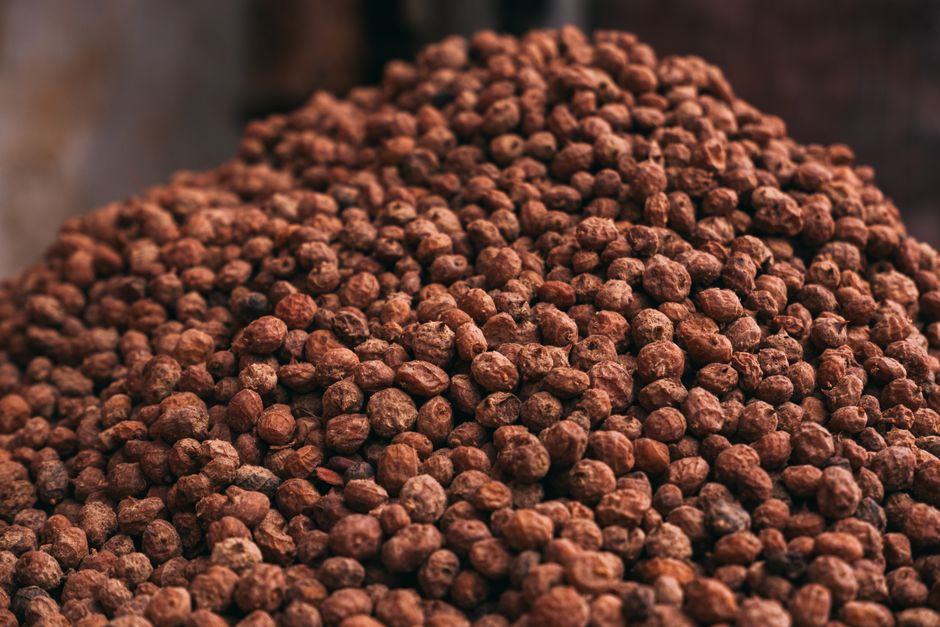
Couscous is not gluten free. It is made from semolina, which is coarsely ground durum wheat, and wheat contains gluten. Anyone with celiac disease or a wheat allergy should avoid traditional couscous, and people with non-celiac gluten sensitivity should treat it the same way they treat other wheat products.
That answer surprises a lot of people. Couscous looks like a grain, gets served like a grain, and sits next to rice and quinoa in the grocery aisle. But it is pasta in tiny pieces. Understanding what couscous actually is explains almost everything about how it fits — or doesn’t fit — into a gluten-free diet.
What Is Couscous Made Of?
Traditional couscous is made from durum wheat semolina and water. The semolina is moistened and rolled by hand or machine into small granules, then dried. That’s the whole ingredient list for plain couscous.
Durum wheat is the same species used for most dried pasta. It is a hard wheat with high protein content, which is why pasta holds its shape when boiled. Couscous is essentially pasta dough that has been shaped into grains instead of extruded into strands.
This matters because the gluten in durum wheat is the same gluten that triggers reactions in people with celiac disease. The protein structure differs slightly from bread wheat, but it is still wheat gluten and it still counts.
Is Couscous Gluten Free? The Short Answer
No. Regular couscous contains gluten because it is made from wheat. There is no way to remove the gluten from durum semolina — the gluten is part of the grain’s protein structure, not a coating that can be washed off.
Some people assume that because couscous granules are small, they contain less gluten than bread or pasta. The granule size is irrelevant. Gluten content is determined by the grain, not the shape.
For anyone managing celiac disease, the distinction matters more than most people realize. Celiac disease is an autoimmune condition, not a food intolerance. Even small amounts of gluten can trigger an immune response that damages the lining of the small intestine, and that damage can occur without obvious symptoms.
What About “Gluten-Free Couscous” Products?
Gluten-free couscous exists, but it is not couscous in the traditional sense. It is a substitute made from gluten-free grains or legumes, shaped to look and cook like the real thing.
Common bases for these products include:
- Corn (maize) flour, often labeled as corn couscous
- Rice flour
- Chickpea flour, which is closer to the North African dish called moghrabieh or to some regional legume-based couscous styles
- Millet or sorghum blends
These products can be a reasonable stand-in for texture and cooking method. They are not nutritionally identical to wheat couscous, and they don’t taste the same. Some are closer than others.
If you are buying a gluten-free couscous substitute, check that the package carries a gluten-free certification. Products labeled “wheat-free” are not necessarily gluten-free — barley, rye, and spelt are all wheat-free but contain gluten.
How Much Gluten Is in a Serving of Couscous?
Plain wheat couscous is a wheat product, so it contains gluten at levels comparable to other wheat-based foods. There is no established threshold below which wheat couscous becomes safe for people with celiac disease — the only safe amount is none.
For context on how couscous compares to other wheat foods, here is a rough picture based on the grain source rather than a specific measured value:
| Food | Grain base | Contains gluten |
|---|---|---|
| Traditional couscous | Durum wheat semolina | Yes |
| Dried pasta | Durum wheat semolina | Yes |
| Bulgur | Wheat (parboiled, cracked) | Yes |
| Quinoa | Quinoa (a seed, not a grain) | No |
| Rice | Rice | No |
| Gluten-free couscous substitute | Corn, rice, chickpea, or millet | No (if certified) |
One practical note: couscous is often prepared in shared kitchen environments — restaurant kitchens, family kitchens, buffets — where cross-contact with wheat flour or wheat-based broths is common. For someone with celiac disease, the preparation method can matter as much as the ingredient.
What Should You Eat Instead of Couscous?
If you are avoiding gluten, several whole grains and seeds work well as couscous replacements. Quinoa is the closest in texture and cooking method. It is a complete protein and takes about the same time to cook. Rice, millet, and buckwheat groats are also naturally gluten free.
For salads and cold dishes where couscous is typically used, cooked quinoa, rice, or a chickpea-based substitute all work. The texture will differ, but the dish structure — grain plus vegetables plus dressing — holds up fine.
One thing to watch: some grain products are processed on equipment shared with wheat. Oats in particular are frequently cross-contaminated unless specifically labeled gluten-free. Quinoa and rice are lower risk but still worth checking if you have celiac disease.
Is Couscous Healthy If You Don’t Have Celiac Disease?
For people without celiac disease or wheat allergy, couscous is a reasonable whole-grain food. It provides carbohydrates for energy, some fiber, and a small amount of protein. It is low in fat and has no added sugar.
Whole wheat couscous is a better choice than the regular refined version because it retains more of the bran and germ, which means more fiber and more micronutrients. The difference is meaningful but modest — couscous is not a fiber powerhouse either way.
People with non-celiac gluten sensitivity may react to wheat couscous even without celiac disease. This condition is real but poorly understood, and diagnosis is based on symptom response rather than a blood test. If you suspect you react to wheat, talk to a doctor before eliminating it entirely — the testing for celiac disease requires you to be eating gluten.
That last point catches people off guard. If you stop eating gluten before getting tested for celiac disease, the tests can come back falsely negative. The standard approach is to get tested first, then decide about the diet.
How to Read Labels for Hidden Wheat
Couscous is easy to spot on an ingredient list. Hidden wheat is the bigger problem. Wheat appears in many processed foods under names that don’t include the word “wheat.”
Watch for these on labels if you are avoiding gluten:
- Semolina, durum, or durum flour
- Spelt, farro, or emmer (all wheat varieties)
- Malt, malt extract, or malt vinegar (usually barley-based)
- Modified food starch (sometimes wheat-derived, though corn is more common in the US)
- Hydrolyzed wheat protein
- Seitan (pure wheat gluten)
In the United States, wheat is one of the major allergens that must be labeled by law under the Food Allergen Labeling and Consumer Protection Act. That means wheat-containing products must declare it clearly. Barley and rye are not covered by the same labeling rule, which is why they can be harder to spot.
For certified gluten-free products, look for a third-party certification mark. Government gluten-free labeling rules in the US require products to meet a defined gluten limit, but certification programs add an extra layer of testing and verification.
The Bottom Line on Couscous and Gluten
Traditional couscous is a wheat product and contains gluten. There is no version of wheat couscous that is safe for someone with celiac disease. Gluten-free substitutes exist and can work well in most recipes, but they are different foods with different nutrition profiles and different textures.
If you have celiac disease or a wheat allergy, skip the wheat version and look for a certified gluten-free substitute. If you don’t have a diagnosed gluten-related condition, couscous can be part of a balanced diet — whole wheat couscous especially. If you suspect a problem with wheat, get tested before you change your diet.
Frequently Asked Questions
Is couscous gluten free?
No. Traditional couscous is made from durum wheat semolina, which contains gluten. Only products specifically labeled and certified gluten-free are safe for people who must avoid gluten.
Is couscous a grain or a pasta?
Couscous is made from semolina dough rolled into small granules, so it is closer to pasta than to a whole grain. It is sometimes grouped with grains because of how it is cooked and served, but the ingredient is wheat.
Can people with celiac disease eat couscous?
No. Couscous contains wheat gluten, which triggers the autoimmune response in celiac disease even when symptoms are not obvious. Certified gluten-free substitutes are the safe alternative.
What is a good gluten-free substitute for couscous?
Quinoa is the closest match in texture and cooking method. Rice, millet, and certified gluten-free corn or chickpea couscous also work well in most recipes.
