
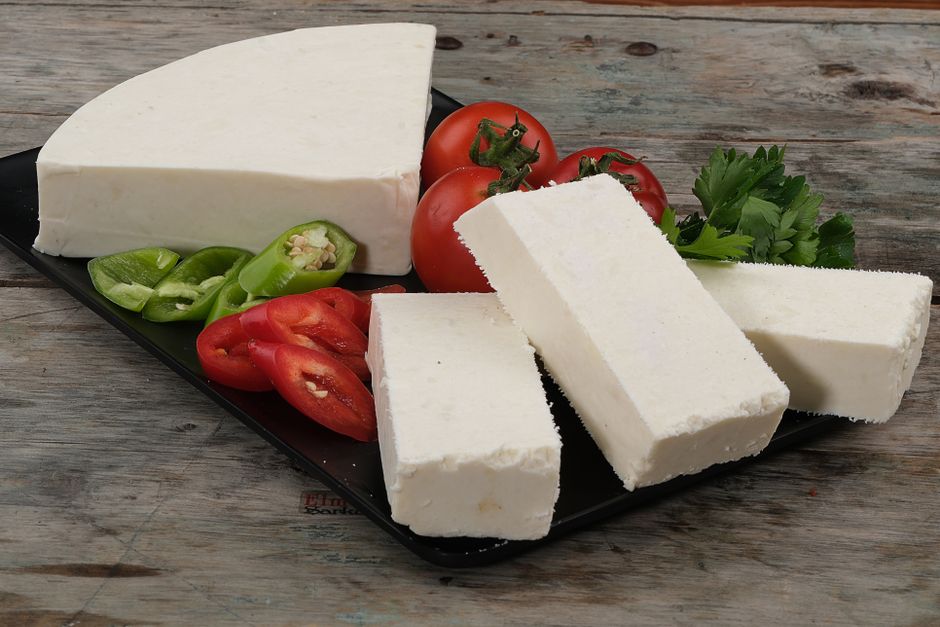
Cottage cheese is not a traditional food of the Mediterranean region, but it fits the Mediterranean diet well. It is a fresh dairy product that provides protein and calcium, and it can replace higher-fat cheeses in many meals. The Mediterranean diet is a pattern of eating, not a strict list of approved foods, so what matters most is how cottage cheese fits into your overall meals.
Is Cottage Cheese On The Mediterranean Diet?
Yes, cottage cheese can be part of a Mediterranean-style diet. The Mediterranean pattern emphasizes vegetables, fruits, whole grains, legumes, nuts, olive oil, fish, and moderate amounts of dairy. It does not ban specific foods. It focuses on what you eat most of the time.
Cottage cheese is a fresh cheese made by adding acid or rennet to milk, which separates the curds from the whey. What remains is a soft, mild cheese with a texture somewhere between yogurt and ricotta. It is not a cheese that originated in Greece, Italy, or Spain, but that does not disqualify it.
The Mediterranean diet is defined by dietary patterns observed in countries like Greece, Italy, and Spain in the mid-20th century. Those patterns included dairy, mostly in the form of yogurt and small amounts of cheese. Cottage cheese is a modern food that shares key characteristics with those traditional dairy foods: it is fresh, relatively low in fat depending on the type, and high in protein.
What matters is not whether a food is “Mediterranean” by origin. What matters is whether it supports the overall pattern. Cottage cheese does, as long as you choose types that are not loaded with added sodium or sugar.
What Makes Cottage Cheese a Good Fit?
Cottage cheese fits because it delivers protein and calcium without the saturated fat found in many aged cheeses. A half-cup serving of low-fat cottage cheese provides roughly 12 to 14 grams of protein, depending on the brand and milk fat percentage. That is a meaningful amount for a single serving.
Protein helps with satiety, the feeling of fullness after a meal. The Mediterranean diet is not specifically a high-protein diet, but it does include protein from fish, legumes, nuts, and dairy. Cottage cheese can contribute to that protein intake without adding much saturated fat.
Calcium is another factor. Dairy foods are a primary source of calcium in most diets. The Mediterranean pattern includes dairy, though often in smaller amounts than a typical Western diet. Cottage cheese provides calcium in a form that is easy to incorporate into meals or snacks.
The fat content varies. Full-fat cottage cheese contains more saturated fat. Low-fat and fat-free versions contain less. The Mediterranean diet does not prohibit saturated fat entirely, but it favors unsaturated fats from olive oil, nuts, and fish. Choosing a lower-fat cottage cheese aligns better with that emphasis.
How Does Cottage Cheese Compare to Traditional Mediterranean Dairy?
Cottage cheese is similar to Greek yogurt and ricotta in several ways. All three are fresh dairy products. All three provide protein and calcium. The differences come down to texture, fat content, and how they are used in cooking.
| Dairy Food | Protein per 1/2 cup (approximate) | Fat Content | Common Use |
|---|---|---|---|
| Cottage cheese (low-fat) | 12-14 g | Low to moderate | Snacks, bowls, dips, baking |
| Greek yogurt (plain, low-fat) | 12-15 g | Low to moderate | Snacks, sauces, dips |
| Ricotta (part-skim) | 14 g | Moderate | Lasagna, stuffed pasta, desserts |
| Feta | 4 g | Moderate to high | Salads, garnishes |
Feta is a traditional Mediterranean cheese, but it is higher in sodium and lower in protein per serving than cottage cheese. It is used as a flavoring, not a protein source. Cottage cheese can serve as a protein source in a meal, which feta typically does not.
Greek yogurt is probably the closest comparison. Both are high in protein and versatile. Some people prefer the texture of one over the other. From a nutritional standpoint, they are similar enough that either can fit into a Mediterranean-style diet.





What Should You Watch Out For?
Sodium is the main concern with cottage cheese. Salt is often added during processing. Some brands contain more than 400 milligrams of sodium per half-cup serving. The Mediterranean diet does not set a specific sodium limit, but it generally favors minimally processed foods. If you are watching your sodium intake, look for low-sodium or no-salt-added cottage cheese.
Added sugar is another issue. Flavored cottage cheese products, especially those with fruit mixed in, can contain significant added sugar. Plain cottage cheese has naturally occurring lactose, which is a sugar, but it does not have added sugar unless the label says so. Check the ingredients list.
Portion size matters. Cottage cheese is calorie-dense compared to vegetables or legumes. A half-cup serving of low-fat cottage cheese has around 90 to 100 calories. That is not high, but it adds up if you eat larger portions. The Mediterranean diet emphasizes vegetables, fruits, and whole grains as the base of meals. Cottage cheese works best as a supporting food, not the main event.
Some people avoid dairy due to lactose intolerance or personal preference. The Mediterranean diet can be followed without dairy. Protein and calcium can come from fish, legumes, nuts, seeds, and fortified plant foods. Cottage cheese is optional, not required.
How Can You Use Cottage Cheese in Mediterranean-Style Meals?
Cottage cheese is versatile. It can be used in ways that align with Mediterranean eating patterns. Here are some practical ideas:
- Top it with olive oil, tomatoes, and black pepper for a savory breakfast.
- Mix it into scrambled eggs or omelets for extra protein.
- Use it as a base for dips instead of sour cream or mayonnaise.
- Blend it into smoothies with fruit and a small amount of honey.
- Spread it on whole-grain toast with sliced cucumber and a drizzle of olive oil.
- Use it in place of ricotta in lasagna or stuffed shells.
These uses keep cottage cheese within the Mediterranean pattern. They pair it with vegetables, whole grains, and healthy fats. They do not rely on processed ingredients or added sugars.
One non-obvious point: the Mediterranean diet is not defined by any single food. It is defined by the overall pattern. Adding cottage cheese to a diet full of processed foods does not make that diet Mediterranean. Adding it to a diet already rich in vegetables, legumes, and fish is a reasonable choice.
Does the Evidence Support Cottage Cheese on the Mediterranean Diet?
Research on the Mediterranean diet itself is extensive. Large studies have linked the pattern to lower rates of heart disease, stroke, and certain chronic conditions. Those studies looked at overall dietary patterns, not individual foods like cottage cheese.
No large clinical trial has tested cottage cheese specifically as part of a Mediterranean diet. That kind of study is not typically done for single foods. The evidence for cottage cheese comes from its nutrient profile, not from trials of the food itself.
What the evidence does show is that dairy, in moderation, can be part of a Mediterranean-style diet. The Mediterranean diet pyramid includes dairy, usually in small amounts. Cottage cheese fits that slot. It is not a food that the research has singled out as harmful or beneficial in isolation.
If you are looking for a definitive answer from clinical trials about cottage cheese on the Mediterranean diet, that evidence does not exist. What exists is a reasonable nutritional fit based on established dietary principles.
Frequently Asked Questions
Is cottage cheese allowed on the Mediterranean diet?
Yes, cottage cheese can be included in a Mediterranean-style diet as a source of protein and calcium. It is not a traditional Mediterranean food, but the diet is a pattern, not a strict list of approved items.
Is cottage cheese healthier than feta?
Cottage cheese is higher in protein and lower in sodium than feta, but feta is a traditional Mediterranean cheese used mainly for flavor. Both can fit into the diet in different roles.
What kind of cottage cheese is best for the Mediterranean diet?
Low-fat or fat-free cottage cheese with no added sugar and limited sodium fits best. Plain cottage cheese lets you control what you add to it.
Can I eat cottage cheese every day on the Mediterranean diet?
Daily cottage cheese can fit if it is part of a diet rich in vegetables, fruits, whole grains, legumes, and healthy fats. Portion size and overall balance matter more than frequency.
