
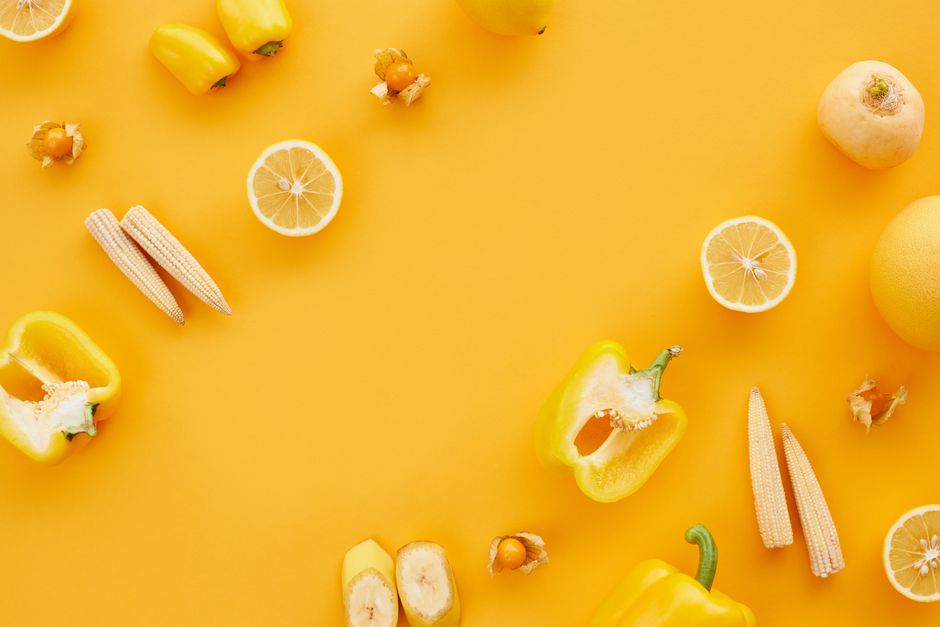
If you have ever wondered whether corn is a fruit or a vegetable, you are not alone. The answer is not as straightforward as you might think. Botanically, corn is a fruit. Specifically, it is a type of fruit called a caryopsis, or a grain. But in the kitchen and at the grocery store, corn is prepared and eaten like a vegetable. The correct answer depends on whether you are using a botanical or a culinary definition.
What Makes a Fruit a Fruit in Botany?
In biology, a fruit is the mature ovary of a flowering plant. It develops from the flower after pollination and contains the seeds. By this definition, anything that comes from a flower and holds seeds is a fruit. That includes tomatoes, cucumbers, peppers, and yes, corn.
Corn kernels are the fruits of the corn plant. Each kernel is a single seed encased in a hard outer layer called the pericarp. The entire ear of corn is a cluster of many individual fruits. Botanists call this type of fruit a caryopsis, which is the same structure found in wheat, rice, and oats. So in strict botanical terms, corn is a fruit — and more specifically, a grain.
What Makes a Vegetable a Vegetable?
Unlike the botanical definition, “vegetable” is a culinary term. It has no precise scientific meaning. In the kitchen, a vegetable is typically the savory or less sweet part of a plant. This includes leaves (spinach), stems (celery), roots (carrots), and flower buds (broccoli).
Sweet corn is harvested while the kernels are still tender and high in sugar. It is cooked and served in savory dishes like salads, soups, and salsas. Because it is not sweet like most fruits, people naturally treat it as a vegetable. The U.S. Department of Agriculture also classifies corn as a vegetable in dietary guidelines, specifically a starchy vegetable.
Why Is Corn Considered a Vegetable in the Kitchen?
Corn is rarely eaten raw like an apple or a berry. Instead, it is boiled, grilled, or roasted and served alongside meat or other vegetables. Its flavor is mild and starchy, not sugary like a peach or a melon. That is why most people put corn in the vegetable category.
Nutritionally, fresh sweet corn resembles other starchy vegetables like potatoes and peas. It provides carbohydrates, fiber, and some vitamins. This further reinforces its everyday classification as a vegetable. But remember, this is a culinary and dietary classification, not a biological one.





Is Corn a Grain?
Yes. When corn is dried, it is classified as a whole grain. Dried corn can be ground into cornmeal, grits, or flour. Popcorn is also a whole grain — it is simply a variety of corn that pops when heated.
The Dietary Guidelines for Americans consider whole grains to include corn. So popcorn and whole-grain cornmeal count toward your daily grain intake. Sweet corn, on the other hand, is typically considered both a vegetable and a grain depending on how it is processed and eaten. One ear of sweet corn provides about 80–100 calories and counts as a starchy vegetable in USDA recommendations.
Does the Classification Affect Nutrition?
The label matters less than what you actually eat. Sweet corn is a source of fiber, B vitamins, and antioxidants like lutein and zeaxanthin. Because it is a whole food, it is generally a healthy choice when eaten in reasonable amounts. Most of the controversy around corn comes from highly processed forms like high-fructose corn syrup or refined corn oil.
If you are tracking your diet, fresh corn can fit into the vegetable group or the grain group, but not both at the same meal for counting purposes. For most people, the simplest approach is to treat sweet corn as a starchy vegetable and dried corn products as grains.
What About Other Foods with Similar Confusion?
Corn is not the only food that straddles the line. Tomatoes, peppers, cucumbers, and eggplants are botanically fruits but culinarily vegetables. Avocados and olives are also fruits. So are green beans and peas — they are fruits because they contain seeds. But nobody puts peas in a fruit salad.
This overlap is normal. The botanical system and the culinary system serve different purposes. Botany aims to classify plants by evolutionary relationships. Cooking classifies ingredients by flavor and use. Both are valid in their own context.
Frequently Asked Questions
Is corn a fruit or a vegetable?
Botanically, corn is a fruit (a grain called a caryopsis). Culinarily, it is treated as a vegetable, specifically a starchy vegetable.
Is corn a whole grain?
Yes. Dried corn and popcorn are considered whole grains. Fresh sweet corn is usually counted as a starchy vegetable, not a grain, in dietary guidelines.
Why do people call corn a vegetable if it is really a fruit?
Because in cooking and grocery shopping, corn is used like other vegetables. It is savory, starchy, and eaten with main dishes, not as a sweet dessert.
Is popcorn a fruit?
Yes. Popcorn is a type of corn, and like all corn, it is botanically a fruit (a grain). When you eat popcorn, you are eating the whole grain.
