

Concrete is not corrosive in the way strong acids are, but it can cause serious chemical burns to skin. The danger comes from its high alkalinity, with a pH typically around 12 to 13. This makes wet concrete a caustic material that damages skin on contact, and the damage can happen without any immediate pain.
Why Does Concrete Burn Skin?
Concrete burns are chemical burns, not heat burns. The reaction starts when water mixes with cement. This creates calcium hydroxide, a strong alkali. Alkalis damage skin differently than acids do. Acids often cause sharp pain right away. Alkalis like wet concrete can be painless at first, which makes them more dangerous.
The skin’s natural protective layer, the acid mantle, has a pH around 4.5 to 5.5. Wet concrete at pH 12 to 13 overwhelms this protection. The alkali breaks down fats and proteins in the skin. This process is called liquefactive necrosis. The tissue essentially dissolves.
Because there is often no pain for hours, people keep working with wet concrete on their skin. By the time they notice irritation, the burn may already be deep. Full-thickness burns can develop, meaning all layers of the skin are damaged.
How Long Does Concrete Take To Burn Skin?
Damage can begin within a few hours of contact. Some studies and clinical reports show that significant burns can develop after several hours of exposure to wet concrete. The exact time depends on several factors.
Contact time is the biggest factor. The longer wet concrete stays on the skin, the worse the burn. Pressure matters too. Kneeling in wet concrete or having it inside boots presses the material against the skin, speeding up damage. Abrasion also plays a role. Rubbing against concrete removes the protective outer layer of skin, letting the alkali penetrate faster.
Some people develop burns after a single exposure. Others have repeated low-level exposure that causes a condition called irritant contact dermatitis. This looks like dry, cracked, red skin. It can progress to a burn if exposure continues.
What Do Concrete Burns Look Like?
Early signs are easy to miss. The skin may look slightly red or feel dry. Some people report a mild burning or itching sensation. Others feel nothing at all.
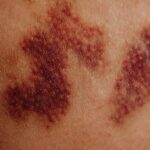
As the burn develops, the skin darkens. It can turn brown, black, or gray. The area may become leathery or hard. Blisters can form. In severe cases, the burn extends into deeper tissues, including muscles and tendons.
Delayed symptoms are common. A person might work with concrete all day, shower, and only notice the burn the next morning. By that point, the damage is often significant and requires medical treatment.




Is Concrete Corrosive To Skin And Other Materials?
Concrete is corrosive to skin, and it also damages many other materials. The same high pH that harms human tissue affects metals, fabrics, and building materials.
Steel reinforcement inside concrete is protected by the alkaline environment. This is intentional and beneficial. The high pH forms a passive oxide layer on the steel that prevents rust. Problems arise when this alkalinity is neutralized, a process called carbonation. Carbon dioxide from the air slowly reacts with concrete, lowering its pH. When the pH drops below about 9, the steel can corrode. This is a major cause of structural damage in aging concrete buildings and bridges.
Other metals are not so lucky. Aluminum reacts aggressively with wet concrete. The alkali attacks the aluminum, producing hydrogen gas and damaging the metal. This is why aluminum tools and formwork need protective coatings. Galvanized steel can also be damaged by fresh concrete, though the reaction is slower.
Fabrics and leather break down when soaked in wet concrete. The alkali weakens natural fibers like cotton and wool. Synthetic materials may resist better, but the cement residue can still damage them over time. Footwear is especially vulnerable. Cement dust and wet concrete can eat through leather boots, which is one reason workers are advised to wear rubber boots.
Glass and some plastics are also affected. Alkalis etch glass surfaces. Some plastics become brittle or discolored. This is why concrete mixing equipment needs regular cleaning and why spills should be wiped up quickly.
How To Treat A Concrete Burn
Immediate action is critical. Remove any clothing contaminated with wet concrete. Brush off dry cement powder before adding water. Adding water to dry cement creates the alkaline reaction, so dry powder should be removed first.
Rinse the affected skin with clean, running water for at least 20 minutes. This dilutes and washes away the alkali. Do not scrub the skin, as this can push the alkali deeper. Continue rinsing even if the skin does not hurt. The absence of pain does not mean the burn is mild.
Seek medical attention for any burn that covers a significant area, involves blisters, or causes deep pain. Second-degree and third-degree burns require professional care. A doctor may need to debride the wound, meaning remove dead tissue. Skin grafts are sometimes necessary for severe cases.
Do not apply creams, oils, or butter to a concrete burn. These trap the alkali against the skin and make the burn worse. Plain water is the only appropriate first-aid rinse.
How To Prevent Concrete Burns
Prevention is straightforward but requires consistent effort. Personal protective equipment is the first line of defense.
Wear waterproof gloves when handling wet concrete. Rubber or nitrile gloves are best. Cotton gloves absorb moisture and hold the alkali against the skin, making them worse than no gloves at all. Wear tall rubber boots, not leather boots. Tuck pant legs into the boots so wet concrete cannot run down inside.
Wear long sleeves and long pants made of materials that resist alkali. If concrete soaks through clothing, remove the clothing immediately. Do not kneel in wet concrete. Use knee pads or a kneeling board.
Keep a clean water source nearby when working with concrete. If concrete splashes onto skin, rinse it off right away. Do not wait until the end of the shift. Washing skin between tasks reduces the total exposure time.
Apply a barrier cream to exposed skin before starting work. These creams are not a substitute for gloves, but they add a layer of protection. They are especially useful for the face and neck, which are hard to cover completely.
Long-Term Health Risks Of Concrete Exposure
Repeated skin exposure to concrete increases the risk of chronic skin conditions. Occupational dermatitis is common among construction workers who handle concrete regularly. The skin becomes dry, cracked, and inflamed. It can become infected if not treated.
Inhaling cement dust is a separate concern. Dry cement powder contains crystalline silica. Breathing this dust over many years can cause silicosis, a serious lung disease. The dust can also irritate the eyes and respiratory tract. Workers should wear respiratory protection when mixing or cutting concrete.
Cement burns can cause lasting damage. Deep burns leave scars and can damage nerves. In severe cases, the burn can affect muscles and bones, leading to permanent disability. Some workers lose fingers or toes to severe cement burns that became infected.
Frequently Asked Questions
Can concrete burn through skin?
Yes, wet concrete can burn through all layers of skin and into deeper tissues. The alkaline chemicals in wet concrete cause chemical burns that may not hurt at first but can be severe.
How quickly does concrete burn skin?
Burns can develop within a few hours of exposure. The speed depends on how long the concrete stays on the skin, how much pressure is applied, and whether the skin is abraded.
Does concrete corrode metal?
Yes and no. Steel reinforcement inside concrete is protected by the alkaline environment, but aluminum and galvanized steel can be damaged by wet concrete. Over time, carbonation lowers concrete’s pH and allows steel reinforcement to corrode.
What should I do if I get wet concrete on my skin?
Brush off any dry powder first, then rinse the area with clean running water for at least 20 minutes. Remove contaminated clothing and seek medical attention for any burn with blisters or deep pain.
