
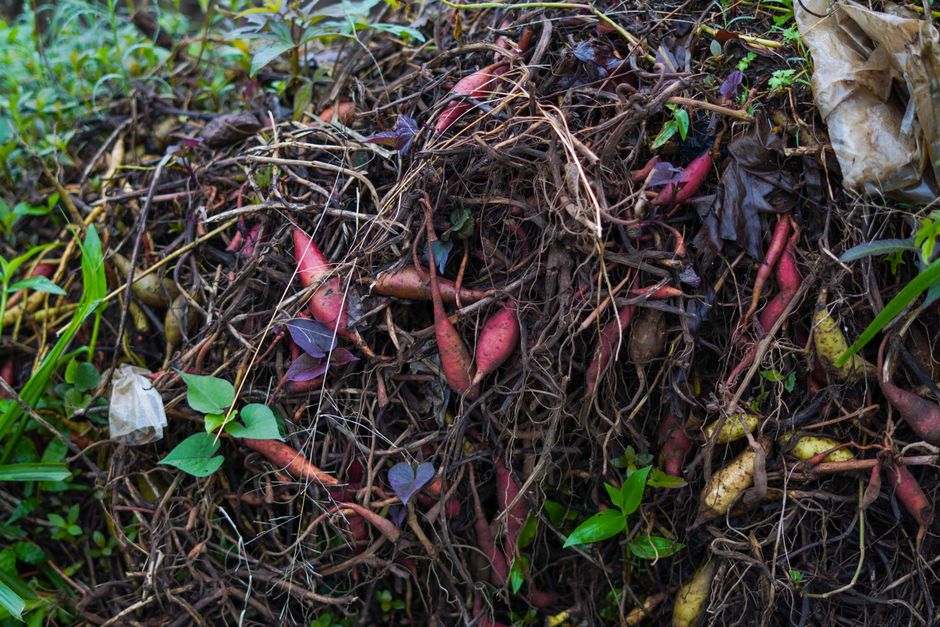
Yes, compost can catch fire. A compost pile is essentially a slow-burning fire waiting for the right conditions. The same microbial activity that breaks down food scraps and yard waste generates heat, and in a large enough pile, that heat can build to the point of ignition. This is not a theoretical risk. Compost pile fires are a documented problem for homeowners, farms, and commercial composting facilities.
The good news is that prevention is straightforward once you understand what drives the temperature up. Managing moisture, pile size, and airflow keeps decomposition running at safe temperatures. Most compost fires are entirely preventable with basic attention.
How Does a Compost Pile Get Hot Enough to Catch Fire?
Decomposition is a biological process that releases energy as heat. Bacteria and fungi break down organic matter, and that metabolic activity generates warmth. In a well-managed pile, this heat is beneficial — it speeds decomposition and kills weed seeds and pathogens.
The problem starts when heat is generated faster than it can escape. A pile that is too large, too dry on the surface but wet and packed inside, or lacking airflow becomes an insulating blanket around its own core. Temperatures inside can climb well past what most people expect. Active compost piles regularly reach 130°F to 160°F (54°C to 71°C) in the core. Some have been measured at temperatures approaching 200°F (93°C).
At those temperatures, the material itself begins to change. Dry, carbon-rich material — hay, straw, dried leaves, wood chips — can undergo a process similar to slow charring. If the pile is large enough to hold that heat and dry enough to provide fuel, the material can reach its ignition point. This is sometimes called spontaneous combustion, though the more accurate term is self-heating. The pile does not need a spark. It generates its own heat until the material ignites.
The key variables are size, moisture, and airflow. A pile smaller than about 3 feet by 3 feet by 3 feet rarely gets hot enough to ignite because it loses heat to the surrounding air too quickly. Larger piles insulate themselves.
What Conditions Make a Compost Pile Most Dangerous?
Several factors combine to create fire risk. Understanding them helps you spot a pile that is heading in the wrong direction.
- Pile size over 5 feet tall or wide. Large piles trap heat. Commercial operations monitor this closely because large windrows and static piles are where most serious fires occur.
- Dry material with low moisture. Compost that has dried out — often in the outer layers of an overheated pile — becomes fuel. Moisture normally absorbs heat and keeps temperatures in check.
- Poor airflow. Without oxygen, decomposition slows and shifts toward different microbial activity that can produce even more heat under some conditions. Compaction from heavy material or too much wet, dense material blocks air from reaching the core.
- High carbon-to-nitrogen ratio with dry, fluffy material. Straw, hay, dried leaves, and wood chips are highly flammable when dry. A pile dominated by these materials with little moisture is the classic fire risk.
- Hot, dry weather. Ambient heat and low humidity increase evaporation from the pile surface, drying it out.
- Piles near structures or flammable materials. Even a moderate fire can spread to a fence, shed, or home if the pile is placed too close.
One non-obvious point: the danger zone is often not the actively decomposing core. It is the dry, partially decomposed material just outside the hot core. That material is hot, dry, and full of fuel. It is where ignition frequently begins.
What Temperature Is Dangerously High for Compost?
Compost temperatures above 160°F (71°C) are a warning sign. At that point, the beneficial microbial activity that drives normal decomposition starts to decline, and the risk of the pile overheating increases.
Temperatures above 180°F (82°C) indicate the pile is approaching conditions where spontaneous ignition becomes possible. The exact ignition temperature depends on the material. Dry hay and straw can ignite at temperatures as low as 200°F to 250°F (93°C to 121°C) under the right conditions, though this varies with moisture content, density, and how long the heat is sustained.
This is why compost thermometers — long-stem probes designed for piles — are useful. Checking the core temperature regularly tells you whether the pile is running hot. If it consistently reads above 160°F, you need to act.





How Do You Prevent a Compost Pile Fire?
Prevention comes down to controlling the three factors that drive self-heating: size, moisture, and airflow. These steps are practical and apply to backyard piles and larger operations alike.
Keep the pile a manageable size
A pile roughly 3 feet by 3 feet by 3 feet is the standard recommendation for backyard composting. It is large enough to hold heat for decomposition but small enough to shed excess heat. If you need more capacity, build multiple smaller piles rather than one large one. Never let a pile exceed 5 feet in height or width without active management.
Maintain proper moisture
A compost pile should feel like a wrung-out sponge. It should be moist but not dripping. Water absorbs heat and limits temperature rise. Dry piles are far more flammable. If the pile looks dry, add water while turning. In hot, dry weather, check moisture more often and water the pile as needed. Do not let the surface dry out completely.
Turn the pile regularly
Turning mixes material, redistributes moisture, and releases trapped heat. A pile that is turned regularly rarely overheats. If the temperature climbs above 160°F, turn it immediately. Turning also brings oxygen into the pile, which supports the aerobic bacteria that decompose material efficiently without the extreme heat that can occur in compacted, oxygen-starved zones.
Watch the carbon-to-nitrogen balance
A balanced mix of “greens” (nitrogen-rich materials like grass clippings and food scraps) and “browns” (carbon-rich materials like leaves, straw, and cardboard) supports steady decomposition. Too many dry browns with too little moisture creates a flammable pile. Too many greens can cause the pile to go anaerobic and produce strong odors, though this is more a nuisance than a fire risk.
Position the pile safely
Keep compost piles at least 10 feet from buildings, fences, and other flammable structures. Do not place a pile under a tree or against a wooden wall. In dry climates, clear dry vegetation from around the pile.
Monitor temperature
Use a compost thermometer to check the core regularly. If you do not have a thermometer, watch for signs of overheating: steam rising from the pile, a strong burnt smell, or the surface feeling hot to the touch. Any of these means you should turn the pile and add water.
What Should You Do If Your Compost Pile Is Smoking or Overheating?
Smoke or steam from a compost pile means the pile is dangerously hot. Act immediately.
- Do not ignore it. A smoking pile can ignite within hours or days depending on conditions.
- Turn the pile. Break it apart and spread the material out to release heat. This is the fastest way to cool it down.
- Add water. Moisten the pile thoroughly while turning. Water is the most effective way to bring down temperature.
- Reduce the pile size. If the pile is large, spread it into smaller piles until it cools.
- Call 911 if you see flames. Compost fires can spread quickly, especially in dry conditions. Do not try to fight a fire that has already started if it is near structures.
If a pile has overheated once, it can happen again. After cooling, rebuild the pile at a smaller size with better moisture management and turn it more frequently.
Are Certain Materials More Likely to Cause a Fire?
Dry, carbon-rich materials are the most flammable component of a compost pile. Hay, straw, dried leaves, wood chips, sawdust, and shredded paper all burn readily when dry and hot. Materials with high oil content, such as oily food waste or cooking oil, can also increase fire risk because oils generate heat as they decompose and are themselves flammable.
Never add ashes from a fire, charcoal, or coal to a compost pile. These materials can contain hot embers that ignite the pile from within, and they do not decompose.
Nitrogen-rich materials like grass clippings and food scraps are less flammable on their own because of their high moisture content. The risk comes from the combination — a pile with plenty of dry browns and insufficient moisture is the most dangerous configuration.
Is Spontaneous Combustion in Compost Actually Common?
True spontaneous combustion in a backyard compost pile is uncommon but not rare enough to dismiss. Most reported compost fires occur in large piles, commercial operations, or piles that have been neglected for weeks or months in hot, dry conditions.
Small, well-managed backyard piles rarely catch fire because they lose heat too quickly. The risk rises sharply with pile size and with dry conditions. A pile that is turned regularly and kept moist is very unlikely to ignite.
The evidence on compost fires comes largely from fire service reports, agricultural extension guidance, and industry practice rather than controlled studies. This means the exact conditions required for ignition are not precisely defined for every material. What is clear is that large, dry, hot piles are the primary risk, and managing those three factors is the core of prevention.
Frequently Asked Questions
Can a compost pile catch fire on its own?
Yes. A large, dry compost pile can generate enough internal heat through microbial decomposition to ignite without any external spark. This is called self-heating or spontaneous combustion, and it is most likely in piles over 5 feet in size with low moisture.
What temperature does compost catch fire at?
There is no single ignition temperature because it depends on the material and moisture content. Dry hay and straw can ignite at around 200°F to 250°F (93°C to 121°C) under the right conditions, while compost piles above 180°F (82°C) are considered dangerously hot.
How do I cool down a hot compost pile?
Turn the pile to release trapped heat and add water while mixing until the material feels like a wrung-out sponge. If the pile is large, spread it into smaller piles to help it cool faster.
Should I put water on my compost pile in summer?
Yes. Hot, dry weather dries out compost piles and increases fire risk. Check moisture regularly in summer and add water whenever the pile starts to feel dry rather than like a damp sponge.
