
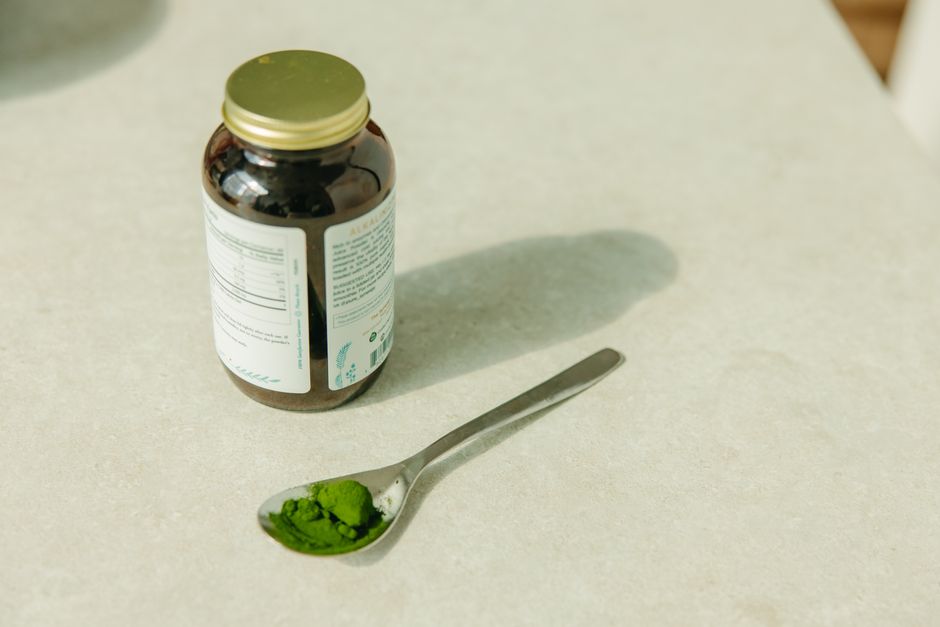
Collagen powder is not a laxative and it is not a stool softener, so it does not make you go. For most people it also does not cause constipation. But a minority of users do report harder, less frequent stools after starting it, and there are real reasons that can happen. The most common ones are not enough water, a sudden jump in daily protein, and fillers or sweeteners in flavored blends. Fixes are usually simple: more fluid, a slower ramp-up, and a plain unflavored product.
Does Collagen Powder Actually Cause Constipation?
For most people, no. Collagen is a protein, and protein by itself does not slow the bowel the way many people assume.
The confusion comes from a few places. First, collagen is often sold in flavored powders that contain sugar alcohols, inulin, or other added fibers. Those ingredients can change stool consistency in either direction. Second, many people start collagen at the same time they start a higher-protein diet, and the diet gets blamed for what the powder did not do. Third, some people simply do not increase their fluid intake when they add a powder they mix into a small amount of liquid.
There is no large body of clinical trial data showing collagen supplementation causes constipation as a direct effect. Reports of constipation with collagen are mostly anecdotal and usually trace back to one of the factors above rather than to collagen itself.
That said, anecdotal reports are not nothing. If you started collagen and your bowel habits changed within a week or two, the timing is worth paying attention to. It does not prove cause, but it is a reasonable clue.
Why Would a Protein Powder Slow Things Down?
Protein itself is not constipating in any direct way. The gut handles protein well. What matters is what comes with it.
When people increase protein, they often decrease fiber at the same time. A shake replaces a meal that used to include vegetables, whole grains, or fruit. Fiber intake drops. Stool bulk drops. Transit slows. The protein gets the blame, but the missing fiber is the actual change.
Fluid matters too. Protein metabolism requires water. If you add 20 grams of powder to a small glass of water and do not drink more than usual the rest of the day, you have effectively reduced your free water. Harder stools are a predictable result of that, not a special property of collagen.
There is one more angle worth knowing. Collagen is rich in the amino acids glycine and proline. Glycine is generally well tolerated by the gut. Some people report that glycine actually softens stools rather than hardens them, though this is not well studied in humans at the doses found in typical collagen powders. The point is that the amino acid profile of collagen does not obviously point toward constipation.
Is Collagen Powder Constipating Because of Fillers and Sweeteners?
This is where the real answer often lives. The collagen is usually not the problem. The rest of the tub is.
Flavored collagen powders frequently contain ingredients that affect the gut:
- Sugar alcohols such as sorbitol, maltitol, xylitol, and erythritol. These draw water into the bowel and often cause loose stools or gas, but some people get the opposite effect, especially at lower doses.
- Added fibers like inulin, chicory root, and soluble corn fiber. These are fermentable and can cause bloating, gas, and either looser or firmer stools depending on the person and the dose.
- Thickeners and gums such as xanthan gum, guar gum, and acacia. In larger amounts these can slow transit for some people.
- Artificial sweeteners like sucralose. Effects on the gut vary widely, and the evidence on how they change stool habits is mixed.
If you are using a flavored or “beauty blend” collagen and you are constipated, the first thing to try is a plain unflavored collagen peptide powder with no additives. If your symptoms resolve, you have your answer.
This is the point most articles miss. People search for “collagen constipation” and get told to drink more water. Sometimes that is right. But if the culprit is a sugar alcohol or a fermentable fiber in the blend, more water will not fix it, and switching products will.





What Are the Most Likely Causes If You Are Constipated on Collagen?
Run through this list before you blame the collagen itself.
- Not enough total fluid. The most common and most fixable cause.
- Not enough fiber. Especially if the powder replaced a meal or a snack that used to carry fiber.
- Added fibers or sugar alcohols in the product. Read the label carefully.
- Too much at once. Jumping straight to a full scoop when your gut has never seen a concentrated protein powder before.
- Coincidence. Constipation is common. Travel, stress, medication changes, hormonal shifts, and low activity all cause it. If you started collagen the same week you started a new medication, the medication is a more likely cause.
- Underlying slow transit. If you already trend toward constipation, any change in diet can tip you over.
If constipation started before the collagen, the collagen is not the cause. If it started within a few days of adding it and nothing else changed, it is worth a trial off.
How Do You Fix Constipation Linked to Collagen Powder?
Fixes are practical and usually quick. Work through them in order.
Increase fluid. Add at least one extra glass of water with the powder and another across the day. This alone resolves it for many people.
Switch to unflavored. Plain collagen peptides have one ingredient. If a flavored blend is the problem, this is the fastest test.
Start smaller. Use half a scoop for the first week or two, then increase. This gives the gut time to adjust.
Protect your fiber. If collagen is replacing a meal, make sure the rest of your day still includes vegetables, fruit, legumes, or whole grains. Most adults in the US fall short of recommended fiber intake, so this is often a pre-existing gap that collagen just exposed.
Move more. Physical activity supports normal bowel motility. This is well established and not specific to collagen.
Take a break. Stop the powder for one to two weeks. If nothing changes, collagen was not the cause. If things normalize, you have your answer and can decide whether to restart with a different product.
Do not add a stimulant laxative to “push through” a problem that a product switch would solve. Laxatives have their place, but they are not a fix for a dietary mismatch.
When Should You Talk to a Doctor?
Constipation that lasts more than a few weeks, or that comes with any of the following, deserves medical attention regardless of collagen:
- Blood in the stool or rectal bleeding
- Unexplained weight loss
- Severe abdominal pain
- Vomiting
- A change in bowel habits that persists and cannot be explained
- Constipation that starts after age 45 with no prior history
These are not collagen issues. They are reasons to get evaluated. Do not let a supplement question delay that.
Also worth knowing: people with certain conditions, including those who need to limit protein for kidney reasons, should talk to their clinician before starting any protein powder. Collagen is a protein source and counts toward total intake.
Does Collagen Help Constipation Instead of Causing It?
Some people report the opposite effect. They say collagen makes them more regular.
The mechanism, if real, is not well established. Glycine and proline are the dominant amino acids in collagen, and glycine has been studied for various gut-related effects, but not at typical collagen powder doses in large human trials. The evidence does not support recommending collagen as a constipation treatment.
What likely happens for the people who feel better is simpler. They started a daily routine. They are drinking more water. They are paying more attention to their diet. Those changes help regularity. The collagen gets the credit.
That is not a knock on collagen. It just means the effect is probably not the collagen itself.
What Does the Evidence Actually Show?
Collagen supplementation has been studied for skin elasticity, joint comfort, and some aspects of bone health. Results vary, and the studies are often small and industry-funded. Constipation is not a commonly reported adverse event in those trials.
That does not mean it never happens. It means the signal is weak and the reports are mostly anecdotal. When you see a strong claim that collagen “causes constipation” or “cures constipation,” neither is supported by good evidence.
The honest position: collagen is generally well tolerated. Constipation reported with collagen is usually explained by fluid, fiber, or additives, not by collagen itself. If you are constipated and you started collagen recently, work through the practical fixes first. If nothing helps, talk to your doctor.
Frequently Asked Questions
Can collagen powder cause constipation?
It can in some people, but it is not a common direct effect. Most reported cases trace back to low fluid intake, low fiber, or additives like sugar alcohols and added fibers in flavored blends.
How do I stop collagen from making me constipated?
Drink more water, switch to an unflavored product with no additives, and start with half a scoop before increasing. If symptoms continue after two weeks, stop the powder and see if things normalize.
Is unflavored collagen less likely to cause constipation than flavored?
Yes, generally. Flavored blends often contain sugar alcohols, added fibers, or gums that can affect stool consistency, while plain collagen peptides have a single ingredient.
Should I stop taking collagen if I am constipated?
A short trial off is reasonable to see whether collagen is involved. If constipation lasts more than a few weeks or comes with blood, weight loss, or severe pain, see a doctor rather than adjusting supplements on your own.
