
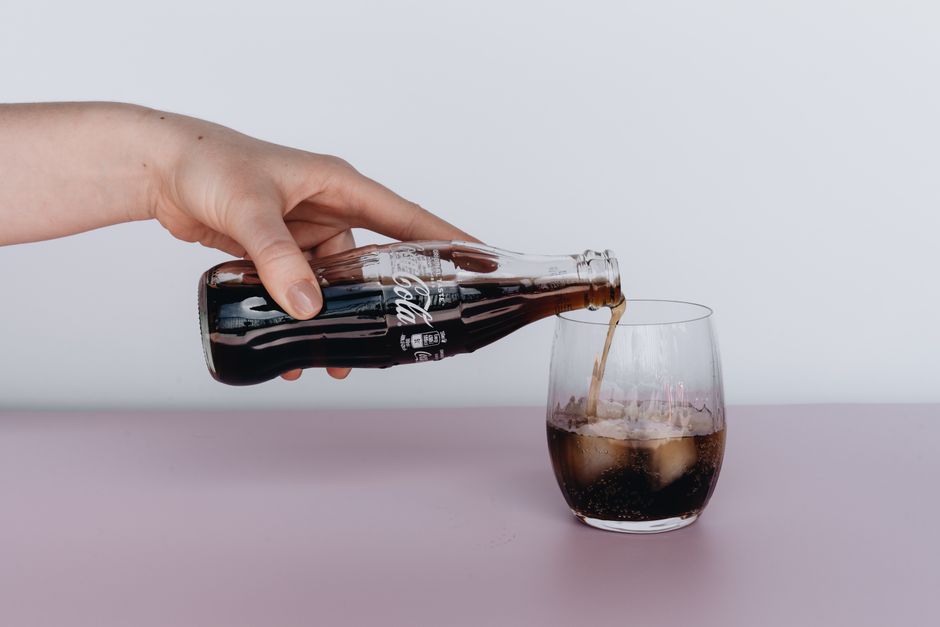
If you have ever had a stomach ache and reached for a cold soda, you are not alone. Many people grew up hearing that Coca-Cola settles an upset stomach, and some hospitals and clinics have even stocked it for that reason. But the honest answer is that Coke is not a good choice for an upset stomach. The carbonation, sugar, caffeine, and acid can make nausea and stomach irritation worse, not better.
That does not mean the folk belief came from nowhere. There is a real history behind it, and understanding where the idea started helps explain why it still circulates today.
Why Do People Think Coke Helps an Upset Stomach?
The belief has roots in mid-20th century medicine. Cola syrup, a thick sweet liquid made from cola flavoring, was sold in pharmacies and sometimes recommended for nausea. It was the syrup, not the fizzy drink, that people used. Over time, that distinction blurred, and the idea that a can of Coke could settle the stomach took hold.
There is also a practical reason the myth survived. When someone is dehydrated from vomiting or diarrhea, they need fluids and electrolytes. A sweet, salty, familiar drink feels soothing going down. Some people confuse the temporary comfort of a cold, sweet beverage with actual relief of the underlying problem.
Hospitals have historically used flat cola in some settings, but this was never based on strong clinical evidence. It was a matter of what was available, palatable, and cheap. That is different from a treatment that has been shown to work.
What Is Actually in Coke That Could Bother Your Stomach?
Regular Coca-Cola contains carbonated water, high-fructose corn syrup or sugar, caramel color, phosphoric acid, caffeine, and natural flavors. Each of these can affect a sensitive stomach in a different way.
- Carbonation adds gas to your digestive tract. If you already feel bloated or nauseated, extra gas can increase pressure and discomfort.
- Sugar in large amounts can draw water into the intestines and worsen diarrhea. High sugar concentrations can also slow stomach emptying, which may increase nausea.
- Caffeine stimulates the digestive tract and can increase acid production. It can also worsen reflux and make an already irritated stomach feel worse.
- Phosphoric acid makes the drink acidic. An acidic beverage can irritate the lining of an inflamed stomach or esophagus.
Diet Coke removes the sugar but keeps the carbonation, caffeine, and acid. It is not a better option for an upset stomach. The artificial sweeteners in diet sodas can also cause gas and bloating in some people.
Is Coke Good For Upset Stomach or Does It Make It Worse?
For most people, Coke makes an upset stomach worse. The combination of acid, caffeine, and carbonation is a poor match for a stomach that is already irritated.
There is one narrow situation where cola has been studied: rehydration after diarrhea. Some research has looked at whether flat cola can help replace fluids. The general finding is that cola does not rehydrate as effectively as an oral rehydration solution, because it has too much sugar and too little sodium. Oral rehydration solutions are specifically designed to match the body’s fluid and electrolyte needs. Cola is not.
If you are nauseated, the carbonation can trigger more nausea. If you have reflux or gastritis, the acid and caffeine can make burning worse. If you have diarrhea, the sugar can pull more water into your gut and loosen stools further.
There is no strong clinical evidence that Coke treats any common stomach problem. The idea that it helps is mostly tradition and anecdote.





What Should You Drink Instead When Your Stomach Is Upset?
Plain water is the safest choice for most mild stomach upset. Sip it slowly rather than drinking a large amount at once. Cold water can sometimes feel harsh, so room temperature may be easier.
If you are losing fluids from vomiting or diarrhea, an oral rehydration solution is the better option. These products are balanced to replace both water and electrolytes. They are widely available and are what health agencies recommend for rehydration.
Other options that tend to be gentler on the stomach include:
- Clear broths, which provide some sodium and fluid
- Weak, unsweetened tea, if caffeine is not a trigger for you
- Flat ginger ale in small amounts, though the evidence for ginger helping nausea is mixed and the sugar content is still high
- Plain water with a small pinch of salt and a little sugar if you cannot get a rehydration solution
Avoid alcohol, coffee, energy drinks, and very sugary beverages while your stomach is sensitive. These can all increase irritation or dehydration.
When Is an Upset Stomach a Sign of Something More Serious?
Most upset stomachs are short-lived and settle on their own. But some symptoms need medical attention.
Seek care if you have severe or worsening pain, blood in your vomit or stool, a high fever, signs of dehydration such as dizziness or very dark urine, or if you cannot keep fluids down for more than a day. Persistent vomiting or diarrhea lasting more than a couple of days also warrants a call to a doctor.
These warning signs matter more than any home remedy. No drink, including Coke, should delay getting evaluated when something feels seriously wrong.
Does Flat Coke Help With Nausea?
Flat Coke is sometimes suggested because removing the bubbles may make it easier to tolerate. But flat Coke still contains sugar, caffeine, and acid. Removing carbonation does not remove the other ingredients that can bother a sensitive stomach.
Some people find that a small amount of flat cola feels soothing, and if that is your experience, a few sips are unlikely to cause harm. But there is no good evidence that it treats nausea, and it is not a substitute for proper hydration. If you are nauseated and need fluids, a rehydration solution or plain water is a better choice.
The Bottom Line on Coke and Stomach Upset
Coke is not a remedy for an upset stomach. The carbonation, sugar, caffeine, and acid can all make nausea, reflux, and diarrhea worse. The idea that it helps comes from a mix of history, tradition, and the fact that a cold sweet drink can feel comforting in the moment.
If your stomach is upset, reach for water or an oral rehydration solution instead. Save the soda for when you are feeling well. And if your symptoms are severe or not improving, talk to a doctor rather than relying on a home remedy.
Frequently Asked Questions
Is Coke good for an upset stomach?
No. Coke is not a good choice for an upset stomach because its carbonation, sugar, caffeine, and acid can worsen nausea, reflux, and diarrhea.
Does flat Coke help with nausea?
There is no good evidence that flat Coke treats nausea, and it still contains sugar, caffeine, and acid even after the bubbles are gone. Water or an oral rehydration solution is a better choice.
What should I drink when my stomach is upset?
Plain water sipped slowly is the safest option for most mild stomach upset. If you are losing fluids from vomiting or diarrhea, an oral rehydration solution is better because it replaces both water and electrolytes.
Can Coke make diarrhea worse?
Yes, the high sugar content in regular Coke can pull more water into your intestines and loosen stools further. It also does not replace electrolytes as effectively as an oral rehydration solution.
