

For most people with high blood pressure, a moderate daily coffee habit (1-2 cups) is not harmful. Research from the American Heart Association and other major health organizations has not found a strong link between regular coffee drinking and long-term high blood pressure or heart disease. The real concern is more about sudden, temporary spikes in blood pressure that happen shortly after drinking coffee, especially in people who do not drink it regularly. Whether coffee is bad for you depends on your individual health, how much you drink, and how your body handles caffeine.
How Does Coffee Actually Affect Your Blood Pressure?
Caffeine is the main player here. It blocks a chemical in your brain called adenosine that normally helps your blood vessels relax. When adenosine is blocked, your blood vessels narrow. This raises blood pressure for a short time. The effect usually starts within 30 minutes of drinking coffee and can last for 2-4 hours.
For a person who does not drink caffeine, a single cup can raise systolic blood pressure (the top number) by 5-15 mmHg. That is a meaningful jump. But for regular coffee drinkers, the body adapts. The blood pressure increase becomes much smaller or even disappears over time. This is called tolerance. Most studies show that after about a week of daily coffee drinking, the pressor effect (the blood pressure raising effect) is minimal.
There is also evidence that some compounds in coffee, like chlorogenic acid and other antioxidants, may actually help blood vessels function better in the long run. So the net effect of coffee on blood pressure is not simply “caffeine is bad.” It is more complex. The negative short-term spike from caffeine can be offset by the positive long-term effects of other coffee components.
Is Coffee Bad For High Blood Pressure Long Term?
This is where the evidence is actually reassuring. Large observational studies, including a 2023 analysis published in the Journal of the American Heart Association, have found that drinking 1-2 cups of coffee per day is not associated with a higher risk of developing high blood pressure over time. Some studies even suggest a slightly lower risk for moderate coffee drinkers compared to non-drinkers.
A 2021 review in Nutrients looked at multiple long-term studies and concluded that habitual coffee consumption does not increase the risk of hypertension. In fact, the review noted that people who drank 3-4 cups daily had a slightly lower risk than those who drank none. This is not a recommendation to start drinking coffee if you do not already. But it strongly suggests that for regular drinkers, the long-term effects are neutral or mildly protective.
Key distinction: This long-term safety data applies to people who already have normal or mildly elevated blood pressure. If your blood pressure is poorly controlled (consistently above 140/90 mmHg despite medication) the effect of coffee is less studied. In that case, individual monitoring matters more than population averages.
What Does the Research on Coffee and Blood Pressure Really Show?
Let us look at specific studies. A 2022 meta-analysis in the European Journal of Preventive Cardiology combined data from over 500,000 participants. It found that drinking 3-5 cups of coffee per day was associated with a 15% lower risk of cardiovascular disease compared to non-drinkers. The same study found no increased risk of hypertension among coffee drinkers.
Another important study, published in JAMA Internal Medicine in 2021, followed over 170,000 people for up to 20 years. Researchers found that moderate coffee drinkers had a lower risk of death from all causes, including heart-related deaths. The protective effect was seen in both caffeinated and decaffeinated coffee drinkers. This suggests that the benefits are not solely from caffeine.
However, there is one group where coffee clearly raises concern: people with uncontrolled or resistant hypertension. A 2019 study in the American Journal of Clinical Nutrition found that in people with untreated high blood pressure, a single 200 mg dose of caffeine (about 2 cups of coffee) caused an average systolic increase of 11 mmHg that lasted for over 3 hours. If your blood pressure is already dangerously high, that temporary spike could be risky.


Does Decaf Coffee Have the Same Effect on Blood Pressure?
| Coffee Type | Effect on Blood Pressure | Key Consideration |
|---|---|---|
| Regular caffeinated | Short-term spike, long-term neutral | Tolerance develops in regular drinkers |
| Decaffeinated | Minimal to no short-term spike | Still contains some caffeine (2-15 mg per cup) |
| Instant coffee | Similar to regular, slightly less caffeine | Often has added sugar and creamers |
| Espresso-based drinks | Higher caffeine concentration per ounce | Smaller volume, so total caffeine per drink is similar |
Decaf coffee is not completely caffeine-free. A standard 8-ounce cup of decaf still contains about 2-15 mg of caffeine, compared to 80-100 mg in regular coffee. For most people, this amount is too small to cause a blood pressure spike. Studies show that decaf does not raise blood pressure acutely and may even provide some of the long-term vascular benefits from antioxidants.
If you are sensitive to caffeine or have very high blood pressure, switching to decaf is a reasonable option. But do not assume it is zero caffeine. If you drink 4-5 cups of decaf daily, the cumulative caffeine could be similar to one cup of regular coffee.
Who Should Be Careful About Coffee and High Blood Pressure?
Not everyone reacts the same way to coffee. Here are the groups where caution is warranted:
- People with uncontrolled high blood pressure (consistently above 140/90 mmHg). The temporary spike from caffeine could push your numbers into a dangerous range.
- Non-regular coffee drinkers who have high blood pressure. Your body has not built tolerance, so the blood pressure rise is stronger and lasts longer.
- People with a genetic variation in caffeine metabolism. About 40% of the population carries a gene (CYP1A2) that slows caffeine breakdown. These individuals may experience a more prolonged blood pressure increase.
- Anyone taking certain medications. Some blood pressure drugs, like beta-blockers, can interact with caffeine. Check with your doctor.
- Pregnant women with high blood pressure. Caffeine crosses the placenta and can affect fetal heart rate. Most guidelines recommend limiting to under 200 mg daily.
If you fall into any of these groups, it does not mean you must quit coffee entirely. It means you should monitor your blood pressure after drinking coffee and talk to your healthcare provider about what is safe for you.
Practical Steps for Coffee Drinkers With High Blood Pressure
If you enjoy coffee and have high blood pressure, here is what the evidence supports:
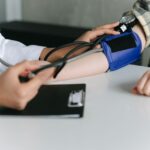
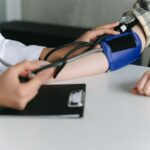
Check your numbers. The most honest way to know if coffee is bad for you is to measure. Take your blood pressure before drinking coffee, then again 30-60 minutes after. If your systolic number rises more than 10-15 mmHg, your body may be sensitive. Do this test on different days to see a pattern.
Stick to 1-2 cups per day. This is the sweet spot where long-term studies show no harm and possible benefit. Going above 4 cups daily may increase risk for some people, especially if you are sensitive.
Avoid adding sugar and heavy cream. The blood pressure risk from sugary coffee drinks is likely higher than the risk from caffeine itself. A 16-ounce flavored latte with syrup can have 30-50 grams of sugar. That amount of sugar can raise blood pressure through inflammation and weight gain.
Do not drink coffee right before a stressful event. If you already have high blood pressure, combining caffeine with stress can amplify the spike. This is one reason some people feel their heart racing during a tense meeting after coffee.
Consider timing. Drinking coffee later in the day can disrupt sleep. Poor sleep is a well-established risk factor for high blood pressure. The CDC reports that adults who sleep less than 7 hours per night have a higher risk of developing hypertension. If coffee keeps you awake, cut it off by early afternoon.
Frequently Asked Questions
Can I drink coffee if I take blood pressure medication?
Yes, but check with your doctor. Some medications like beta-blockers can slow caffeine metabolism, making its effects last longer.
How long does coffee raise blood pressure for?
The spike typically starts within 30 minutes and lasts 2-4 hours. In regular drinkers, the effect is usually much smaller.
Is it safe to drink coffee before a blood pressure reading?
No. Avoid caffeine for at least 30 minutes before a reading. Many clinics recommend avoiding it for 1-2 hours for the most accurate result.
Does green tea raise blood pressure like coffee does?
Green tea has less caffeine (about 30 mg per cup) and contains L-theanine, which may blunt the blood pressure spike. The effect is usually milder.
