
Coffee can raise LDL cholesterol, but only under specific conditions. The compounds responsible are called diterpenes, mainly cafestol and kahweol, and they are present in coffee oil. Whether those compounds reach your bloodstream in meaningful amounts depends almost entirely on how the coffee is brewed. Filtered coffee removes most of them. Unfiltered coffee does not.
That single fact explains why decades of research on coffee and heart health have produced confusing headlines. The studies were often looking at different drinks. A paper-filtered drip coffee and a French press are not the same exposure, even though both are called coffee.
Is Coffee Bad For Cholesterol Brewing Method Matters?
Brewing method determines how much cafestol and kahweol end up in your cup. These diterpenes are extracted from coffee grounds during brewing, and paper filters trap most of the oily particles that carry them.
Research published in the European Journal of Clinical Nutrition and other journals has consistently found that unfiltered coffee raises LDL cholesterol, while filtered coffee does not produce a meaningful rise. The mechanism is well established. Cafestol appears to influence cholesterol metabolism in the liver, and controlled feeding studies have shown measurable LDL increases with regular intake of unfiltered coffee.
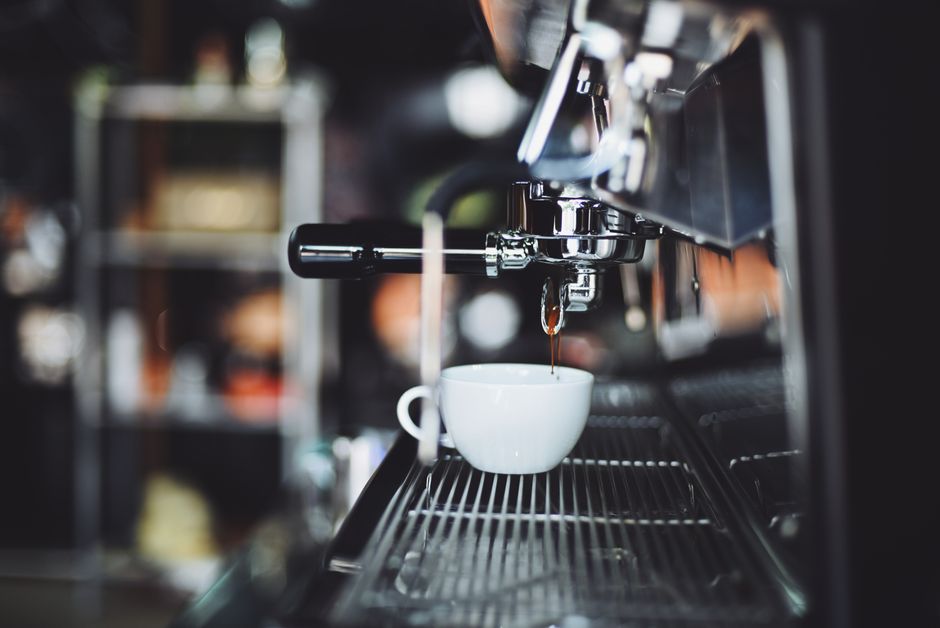
Here is the part that surprises people. Espresso is often assumed to be gentle because the serving is small. In reality, espresso contains cafestol at relatively high concentration because there is no paper filter and the brewing is intense. The smaller volume partly offsets this, but espresso is not a filtered coffee.
Which Brewing Methods Raise Cholesterol?
The dividing line is paper. If hot water passes through a paper filter before reaching your cup, diterpene levels drop sharply.
Methods that remove most diterpenes:
- Drip coffee with a paper filter
- Pour-over with a paper filter
- Single-serve pods that use a paper filter element
- Cold brew that is filtered through paper before drinking
Methods that leave diterpenes in the cup:
- French press
- Espresso and moka pot
- Turkish or Greek coffee, where grounds stay in the cup
- Scandinavian boiled coffee
- Cold brew that is only strained through mesh
Metal mesh filters, common in reusable pour-over setups, do not capture the fine oily particles the way paper does. A metal filter is closer to unfiltered coffee than many people realize.
How Much Does Unfiltered Coffee Raise LDL Cholesterol?
Controlled studies have shown that regular consumption of unfiltered coffee can raise LDL cholesterol, and the effect is large enough to matter at the population level. I am deliberately not quoting a specific percentage here, because the numbers vary widely across studies depending on dose, brewing strength, and the population studied.
What matters practically is the pattern. The effect appears dose-dependent. More unfiltered coffee, brewed stronger, produces a larger rise. People who drink several cups of French press daily are in a different category from someone who has one espresso occasionally.
There is also individual variation. Cholesterol responses to dietary factors differ between people. Some people show a clear LDL rise with unfiltered coffee. Others show less. We do not have a reliable way to predict who responds strongly without measuring.


Does Filtered Coffee Affect Cholesterol At All?
Filtered coffee has not been shown to raise LDL cholesterol in controlled studies. That is a meaningful distinction, and it is why many clinicians who discuss coffee with patients focus on the filter rather than the cup count.
The broader picture on coffee and cardiovascular health is more favorable than the cholesterol question alone might suggest. Large observational studies have generally not found higher heart disease rates among habitual coffee drinkers, and some have suggested neutral or modestly lower risk. Observational data cannot prove cause and effect, and coffee drinkers differ from non-drinkers in many ways. Still, the absence of a clear signal of harm is reassuring.
One clarification worth making. Coffee does not appear to raise LDL through caffeine. The effect is tied to the diterpenes, which is why decaffeinated French press would carry the same cholesterol concern as the regular version. People sometimes switch to decaf for heart reasons and assume the issue is solved. It is not, if the brewing method stays the same.
Who Should Pay Attention To Coffee And Cholesterol?
Anyone with an elevated LDL cholesterol reading, a family history of early heart disease, or a clinician-managed cholesterol plan has a practical reason to look at brewing method. It is a simple change with no downside.
Some clinicians recommend that people with high LDL who drink unfiltered coffee daily consider switching to a paper-filtered method before adding another variable to their lipid management. That is common clinical practice rather than a formal guideline recommendation. It is a low-risk adjustment, but it has not been tested in large trials as a stand-alone cholesterol intervention.
This does not replace anything else. Diet, activity, weight, genetics, and any prescribed medication remain the dominant factors in cholesterol management. Coffee brewing is a small lever, not a primary one. But small levers are worth pulling when they cost nothing.
Should You Switch From French Press To Filtered Coffee?
If your LDL cholesterol is normal and you have no other cardiovascular risk factors, the evidence does not demand a change. The cholesterol effect of unfiltered coffee is real but modest for most people at typical intake.
If your LDL is elevated, or you are working with a clinician on cholesterol, switching to a paper filter is a reasonable, low-effort step. You do not have to give up coffee. You change how you make it.
Practical points that actually matter:
- A paper filter is the key variable. Grind size, water temperature, and bean origin matter far less for this specific issue.
- Rinsing a paper filter first removes paper taste without affecting diterpene capture.
- If you love French press for the texture, using a paper filter after pressing captures much of the oil while keeping most of the body.
- Espresso drinkers with high LDL may want to discuss intake with their clinician rather than assume small servings are automatically fine.
One more note. Coffee prepared with a paper filter is not automatically “healthy” in some broader sense, and unfiltered coffee is not a villain. The distinction is narrow and specific to LDL cholesterol. It says nothing meaningful about coffee’s other effects, positive or negative.
What About Instant Coffee And Cold Brew?
Instant coffee generally contains very low levels of diterpenes because of how it is manufactured and because it is typically reconstituted without the oils present in brewed coffee. On the cholesterol question specifically, instant coffee is closer to filtered coffee than to French press.
Cold brew is more complicated. The coarse grounds are steeped in cold water for many hours, which extracts oils. Whether those oils reach your cup depends on filtration. Cold brew strained only through a metal mesh retains more of the oily fraction. Cold brew passed through a paper filter removes most of it. The method of finishing the brew, not the cold water itself, determines the outcome.
This is the pattern across every method. Ask one question. Did a paper filter stand between the grounds and your cup? That answer tells you most of what you need to know.
Frequently Asked Questions
Does coffee raise cholesterol?
Unfiltered coffee can raise LDL cholesterol because of compounds called cafestol and kahweol. Filtered coffee has not been shown to raise LDL in controlled studies.
Is espresso bad for cholesterol?
Espresso is unfiltered and contains cafestol at relatively high concentration, so it can contribute to LDL cholesterol elevation. The small serving size partially offsets this, but espresso is not equivalent to paper-filtered coffee.
Does decaf coffee raise cholesterol?
Decaffeinated coffee carries the same diterpenes as regular coffee, so unfiltered decaf can affect LDL cholesterol the same way. The caffeine content is not the relevant factor.
How much does French press coffee raise cholesterol?
Controlled studies show that regular French press consumption can raise LDL cholesterol, with the size of the effect depending on how much you drink and how strongly it is brewed. Individual responses vary.
