
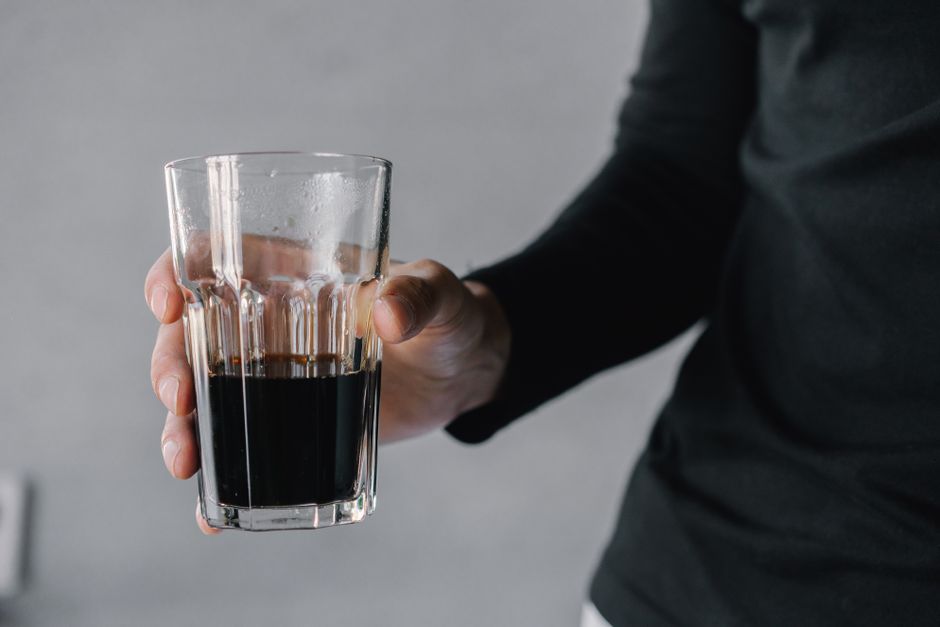
If you are preparing for a medical test or procedure, the answer is usually no. Coffee is not considered a clear liquid in the standard medical definition. Clear liquids are transparent fluids you can see through, like water, apple juice, and plain broth. Coffee, even black coffee, has color and contains compounds that can affect your digestive system and test results.
What Counts as a Clear Liquid?
Medical professionals define clear liquids as fluids that leave no residue in your digestive tract. The goal is a completely empty stomach and intestines. This matters most before surgeries, colonoscopies, and certain blood tests.
Standard clear liquids include:
- Water
- Clear broth (chicken, beef, or vegetable)
- Plain gelatin
- Clear fruit juices without pulp (apple, white grape)
- Sports drinks (clear varieties)
- Plain tea or black coffee — but this is where guidelines vary
Some hospitals allow black coffee. Many do not. The safest approach is to follow the specific instructions your doctor or procedure center gives you.
Why Coffee Is Usually Excluded
Coffee is not truly clear. It has a deep brown color and contains oils, plant compounds, and acids that can irritate your stomach. These components are not visible residue, but they can still affect your digestive system.
Coffee stimulates acid production in the stomach. This can cause nausea or discomfort during a procedure. It also increases bowel activity, which can interfere with a colonoscopy prep. Even decaf coffee has these effects, though to a lesser degree.
Another concern is aspiration risk. If you receive sedation or anesthesia, your stomach needs to be as empty as possible. Coffee can increase stomach fluid and acidity. If any of that fluid enters your lungs during sedation, it can cause serious complications.
What the Guidelines Actually Say
Most professional anesthesia and gastroenterology societies have shifted toward more liberal fasting rules. The standard guidance allows clear liquids up to two hours before a procedure. But coffee is not always included in that category.
Research published in anesthesia journals has examined this question. Some studies suggest that small amounts of black coffee are safe before surgery. Other research shows that coffee changes stomach acid levels and gastric volume in ways that are hard to predict.
The evidence is not strong enough for a universal recommendation. This is why you will see different answers from different hospitals. Some allow black coffee. Others restrict all caffeine. A few allow coffee but not milk, cream, or sugar.


Black Coffee vs. Coffee with Additives
If your procedure center does allow coffee, it means black coffee only. No milk, no cream, no sugar, no artificial sweeteners.
Milk and cream are not clear liquids. They contain fats and proteins that take time to digest. Sugar can stimulate digestive activity. Even a small splash of milk changes the liquid from clear to opaque.
Some people think a small amount of cream is harmless. It is not. The entire point of a clear liquid diet is predictable, rapid emptying from the stomach. Adding any dairy or sweetener makes that unpredictable.
Can You Drink Coffee Before a Blood Test?
For most routine blood tests, black coffee is generally fine. Caffeine does not significantly affect basic metabolic panels, complete blood counts, or cholesterol tests in most people.
The exception is fasting blood sugar. If you are testing for diabetes or prediabetes, coffee can affect your results. Caffeine can temporarily raise blood sugar and insulin levels in some people. This is true even for black coffee with no additives.
Some research indicates that regular coffee drinkers have different glucose responses than non-drinkers. If you are having a fasting glucose test, the safest choice is water only.
The Real-World Problem with Coffee Fasting
Many people are daily coffee drinkers. Going without coffee for a day causes withdrawal symptoms for some. Headaches, fatigue, and irritability are common.
This creates a practical dilemma. You want accurate test results and a safe procedure. But you also want to function. Some patients report severe caffeine withdrawal headaches after fasting for procedures.
Talk to your healthcare provider about this. Some will allow black coffee. Others may suggest a caffeine alternative. Do not assume you can have coffee just because you feel terrible without it.
Why the Answer Varies by Hospital
There is no single national standard that says “coffee is a clear liquid” or “coffee is not a clear liquid.” Each hospital and surgery center sets its own policy based on its anesthesia team’s preferences and the evidence they trust.
Some large academic medical centers now allow black coffee before procedures. They follow newer research suggesting it is safe. Other hospitals remain conservative and ban all coffee. Neither approach is wrong. Both are based on the same evidence, interpreted differently.
This variation is frustrating for patients. The best approach is to ask specifically about coffee when you receive your pre-procedure instructions. Do not assume the printed list covers every detail.
What Happens If You Drink Coffee Anyway?
If you drink coffee when you were told not to, your procedure may be canceled or delayed. This is not a punishment. It is a safety measure.
The risk is that your stomach may not be empty enough for safe sedation. Your procedure team cannot see your stomach contents. They can only follow the fasting rules they gave you.
If you accidentally drink coffee, tell your care team. Do not hide it. They may adjust your plan or reschedule. This is far better than risking a complication during sedation.
Practical Takeaways for Your Next Procedure
The bottom line is simple: follow the instructions you are given. If your doctor says no coffee, skip it. If they say black coffee is fine, limit it to a small amount and stop at the time they specify.
For routine blood tests, ask your doctor specifically about coffee. Many will say it is fine. Some will ask you to avoid it. The answer depends on which tests you are having and your individual health history.
When in doubt, water is always a safe choice. It is the definition of a clear liquid. It does not interfere with any test or procedure. It keeps you hydrated during fasting periods.
If caffeine withdrawal is a genuine concern for you, mention it when you schedule your procedure. Your care team may have options or advice that helps you manage the fasting period more comfortably.
Frequently Asked Questions
Can I drink black coffee before a colonoscopy?
Most colonoscopy prep instructions do not allow coffee, even black. The prep requires a completely clean colon, and coffee can stimulate bowel activity and interfere with results.
Is coffee considered a clear liquid for fasting before surgery?
Some hospitals allow black coffee before surgery, but many do not. The official guidelines classify clear liquids as transparent fluids, and coffee does not meet that standard in most institutions.
Does decaf coffee count as a clear liquid?
Decaf coffee is not considered a clear liquid for medical purposes. It still contains plant compounds and acids that can affect stomach emptying and interfere with procedures.
Can I drink coffee before a fasting blood test?
Black coffee is usually fine for routine blood tests, but it can affect fasting glucose results. If you are testing blood sugar, stick to water only.
