
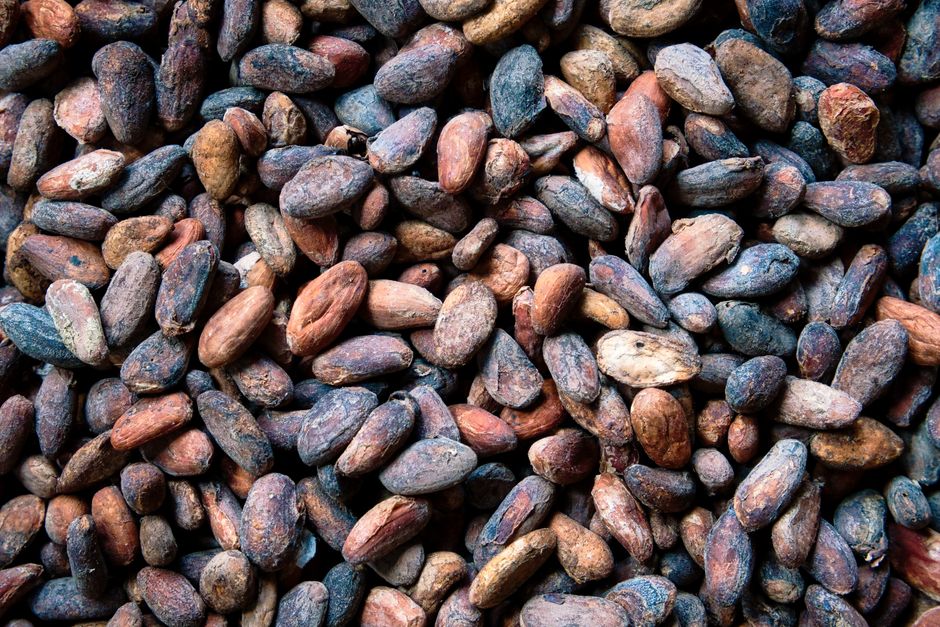
Cocoa is good for your heart and blood vessels when it comes from dark chocolate or unsweetened cocoa powder, not from sugary chocolate candy. The flavanols in cocoa are among the best-studied plant compounds in nutrition science, and they have real effects on blood pressure and blood flow. But most cocoa products people eat are heavily processed and loaded with sugar, which can cancel out much of the benefit.
That gap between what the research shows and what’s actually in the candy aisle is the whole story. Cocoa can be a genuinely useful part of a healthy diet. It can also be a sugar delivery system with a health halo. Knowing the difference matters.
What Are Cocoa Flavanols and Why Do They Matter?
Cocoa beans contain a group of plant compounds called flavanols, a type of polyphenol. These are the same family of compounds found in tea, berries, and red wine. Cocoa is one of the richest dietary sources.
The main flavanols in cocoa are epicatechin and catechin, along with larger molecules called procyanidins. When you eat them, they affect the lining of your blood vessels in a measurable way.
Your blood vessels are lined with a thin layer of cells called the endothelium. This layer produces nitric oxide, a molecule that signals the surrounding muscle to relax. That widening is called vasodilation. Cocoa flavanols appear to support nitric oxide availability, which is why researchers keep studying them for blood pressure and circulation.
This is a well-established physiological pathway. What’s less certain is how much of a real-world difference it makes over months and years, and at what dose. More on that below.
Does Cocoa Lower Blood Pressure?
Research consistently shows that cocoa flavanols produce a modest reduction in blood pressure, particularly in people with existing hypertension. The effect is real but small — typically a few points, not a dramatic drop.
That matters because small shifts across a whole population can have meaningful effects on cardiovascular risk. But it does not mean cocoa replaces medication or lifestyle changes for someone with high blood pressure.
Several factors explain why results vary between studies. The dose of flavanols differs widely. Some studies use specially prepared high-flavanol cocoa; others use ordinary chocolate. The baseline health of participants matters too. People with higher blood pressure at the start tend to see more change.
One clarification worth making: the blood pressure benefit comes from flavanols, not from cocoa’s fat or sugar content. Milk chocolate and most drinking chocolate mixes contain too little flavanol and too much sugar to help.
Is Cocoa Good For Your Heart and Circulation?
Beyond blood pressure, cocoa flavanols have measurable effects on blood vessel function. Studies using flow-mediated dilation — a standard test of how well arteries widen in response to increased blood flow — generally show improvement after cocoa consumption.
Some research also suggests flavanols may support healthier cholesterol profiles and reduce LDL oxidation, a process involved in plaque formation. The evidence here is less consistent than for blood pressure and vessel function. Results vary across studies, and not all trials show the same effects.
What we don’t have is large, long-term trials showing that eating cocoa actually reduces heart attacks or strokes. That kind of outcome data is the gold standard, and it doesn’t yet exist for cocoa. The mechanism is plausible and the short-term markers are real. The hard clinical endpoints are not established.
That’s an honest distinction. It doesn’t mean cocoa is useless for heart health. It means the evidence sits at the level of risk factors, not confirmed outcomes.
Does Cocoa Help With Blood Sugar and Insulin?
The evidence on cocoa and blood sugar is mixed and much weaker than the heart data. Some small studies suggest flavanols may improve insulin sensitivity. Others show no meaningful effect.
Here’s the problem with most real-world cocoa products: sugar. A typical milk chocolate bar or sweetened cocoa mix delivers a large dose of added sugar, which works directly against blood sugar control. Any potential flavanol benefit gets buried under the sugar load.
For people managing diabetes or prediabetes, unsweetened cocoa powder offers flavor without the sugar. Sweetened cocoa drinks and chocolate candy are a different category entirely. No clinical evidence currently confirms that sweetened cocoa products help with blood sugar, and the sugar content is a genuine concern.
How Much Cocoa Do You Need, and What Kind?
There is no official recommended daily intake of cocoa flavanols. Health authorities have not set a standard dose, because the research hasn’t converged on one.
Clinical trials showing blood vessel effects have generally used flavanol doses in the range of several hundred milligrams per day, often delivered through specially prepared cocoa products designed for research. That is not the same as a few squares of chocolate.
Here’s the practical problem. Ordinary dark chocolate contains flavanols, but amounts vary enormously between brands and batches. Processing methods — especially a step called Dutch processing or alkalization — can strip out most of the flavanols. Cocoa powder that has been alkalized is lighter in color and milder in taste, but it’s also lower in flavanols.
If you want flavanols from cocoa, the general direction is:
- Choose natural (non-alkalized) cocoa powder, which tends to retain more flavanols
- Look for dark chocolate with a high cacao percentage, though percentage alone doesn’t guarantee flavanol content
- Avoid sweetened cocoa mixes and chocolate candy as your source
- Treat cocoa as a small part of an overall diet, not a supplement substitute
Some commercial cocoa extracts are marketed with specific flavanol claims. Those products vary in quality, and independent verification is limited. No clinical guidelines currently recommend a specific cocoa supplement for any health condition.
Is Chocolate the Same as Cocoa?
No, and this is where most confusion happens. Cocoa is the processed seed of the cacao plant. Chocolate is cocoa combined with added fat, sugar, and often milk.
The more sugar and fat added, the less the product resembles the cocoa used in research. Milk chocolate typically contains relatively little cocoa and a lot of sugar. Even dark chocolate can contain substantial added sugar.
White chocolate contains no cocoa solids at all — only cocoa butter — so it has essentially none of the flavanols being studied.
What Are the Downsides of Cocoa?
Cocoa carries some real cautions. Chocolate and cocoa contain caffeine and theobromine, both mild stimulants. The amounts are lower than in coffee, but sensitive people — especially those with sleep problems or anxiety — may notice effects, particularly in the evening.
Cocoa is also a source of oxalates, compounds that can contribute to kidney stones in people who form them. And it contains moderate amounts of cadmium and lead in some products, depending on where the beans were grown and how they were processed. Heavy metal content in chocolate has been an area of regulatory attention. For most people, occasional consumption is not a major concern, but frequent daily intake of large amounts deserves awareness.
Chocolate is also calorie-dense. A small amount fits into most diets. Large daily amounts can contribute to weight gain, which would offset any cardiovascular benefit.
Can Cocoa Be Part of a Healthy Diet?
Yes, in the right form and amount. Unsweetened cocoa powder added to oatmeal, smoothies, or plain yogurt gives you flavanols without added sugar. A small piece of dark chocolate as an occasional treat is reasonable for most people.
The key is not to treat cocoa as medicine. It’s a food with genuine, modest benefits when it’s close to its natural form. The evidence supports that. It does not support the idea that chocolate candy is health food, and no study has confirmed that eating chocolate prevents heart disease.
If you have high blood pressure, diabetes, kidney stone history, or are pregnant, talk to your clinician about how cocoa fits into your diet. The research is encouraging but not a substitute for medical guidance.
Frequently Asked Questions
Is cocoa good for you every day?
Unsweetened cocoa in moderate amounts can fit into a daily diet, but there is no official recommended daily intake. The benefits depend heavily on the form — natural cocoa powder and high-cacao dark chocolate are better choices than sweetened mixes.
Does cocoa lower blood pressure?
Research consistently shows cocoa flavanols produce a modest reduction in blood pressure, especially in people with existing hypertension. The effect is small and does not replace medication or other blood pressure treatment.
Is dark chocolate as good as cocoa powder?
Dark chocolate contains cocoa flavanols but also added sugar and fat, and flavanol levels vary widely between brands. Natural unsweetened cocoa powder generally delivers more flavanols per calorie than chocolate.
Can cocoa help with heart health?
Cocoa flavanols improve blood vessel function and modestly lower blood pressure, both markers linked to heart health. However, no large long-term trials have confirmed that eating cocoa reduces heart attacks or strokes.
