
Cinnamon is not a proven immune booster. No clinical trial has shown that eating cinnamon strengthens immune function or prevents infection in healthy people. It does contain plant compounds with interesting immune-related activity in laboratory studies, but that is a long way from a demonstrated benefit in your body.
That gap between lab dishes and real life matters. Cinnamon is a pleasant spice with a solid safety record in normal food amounts. It is not a treatment, and it will not keep you from catching a cold. Here is what the evidence actually shows, and where the hype outruns the science.
Is Cinnamon Actually Good For Your Immune System?
There is no strong human evidence that cinnamon improves immune function. The case for cinnamon as an immune aid rests almost entirely on test-tube and animal studies, plus a small number of human trials that looked at other outcomes.
In the lab, cinnamon extracts and compounds like cinnamaldehyde have shown antioxidant and anti-inflammatory activity. Some studies suggest they can influence certain immune cells. These are real findings, but they come from experiments on isolated cells or animals, often using concentrated extracts rather than the pinch you put in oatmeal. A compound behaving a certain way in a petri dish tells you little about what happens when you eat a teaspoon of it.
Human trials on cinnamon have mostly focused on things like blood sugar and cholesterol, not immune defense. When researchers have measured markers of inflammation or immune activity in people taking cinnamon, results have been inconsistent. The evidence is mixed at best.
So where does that leave you? Cinnamon is a fine spice. It is not a supplement you should take for your immune system. The honest position is that the immune benefit is unproven, not that it has been disproven. We simply do not have the trials to say either way.
What Does Cinnamon Actually Do In The Body?
Cinnamon’s best-studied effects are on blood sugar and inflammation, and even those are modest and debated. The immune angle is the weakest part of the story.
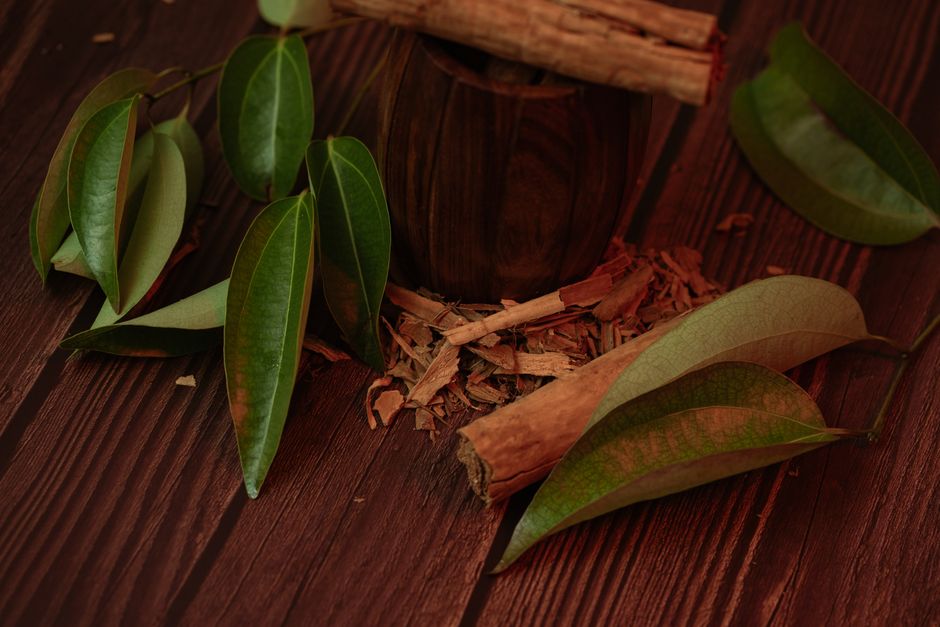
The spice comes from the bark of trees in the Cinnamomum genus. Its flavor and much of its biological activity come from cinnamaldehyde, an essential oil compound. Cinnamon also contains antioxidants called polyphenols. These are the same broad class of plant compounds found in berries, tea, and many other foods.
Antioxidants matter because they help neutralize molecules called free radicals, which can damage cells. But eating an antioxidant-rich food does not automatically translate into a stronger immune system. The body tightly regulates its own antioxidant defenses, and a spice used in small amounts contributes a tiny fraction of your daily polyphenol intake compared with fruits and vegetables.
Some research suggests cinnamon may have a mild effect on blood sugar after meals, possibly by influencing how cells respond to insulin. The studies are small and the effects are not large. This is an area of active research, not settled fact, and it is a separate question from immunity.
Why Do People Think Cinnamon Boosts Immunity?
The reputation comes from a real but easily misread body of lab research. Test-tube findings get repeated as if they were proven in people, and the message gets simpler each time it is passed along.
Here is how the logic usually runs. Cinnamon has antimicrobial activity in a dish. It shows anti-inflammatory effects in cells. Therefore, eating cinnamon must help your immune system fight germs. Each step sounds reasonable, and each step is where the reasoning breaks down.
Concentration is the first problem. Lab experiments often use cinnamon extracts at levels far higher than you would ever eat. Your digestive system breaks down and modifies these compounds before they reach your bloodstream, so what happens in a dish is not what happens in your body.
Biological plausibility is not the same as demonstrated benefit. A substance can have a logical mechanism and still fail to produce any meaningful effect when tested in people. This is exactly why clinical trials exist.
There is also a marketing dimension. Cinnamon is cheap, familiar, and easy to sell as a supplement or “immune support” tea. Claims like “supports immune health” are common on labels and are not the same as evidence that it treats or prevents anything.
Does Cinnamon Fight Colds Or Infections?
No clinical evidence currently confirms that cinnamon prevents or shortens colds, flu, or other infections. This is the claim people most want to be true, and it is the one with the least support.
The antimicrobial studies people point to were done in laboratory conditions against specific microbes. That is not the same as showing cinnamon fights an infection inside a human body. No well-designed human trial has demonstrated that eating cinnamon reduces how often you get sick or how long an illness lasts.
If you feel a cold coming on, cinnamon is not a substitute for rest, fluids, and the measures that actually have evidence behind them. And it is certainly not a replacement for medical care when an infection is serious.
The things with real evidence for supporting immune function are unglamorous. Adequate sleep, regular physical activity, not smoking, limiting alcohol, managing stress, and staying current on recommended vaccines all have far more support than any spice. A balanced diet that includes enough fruits and vegetables matters too. Cinnamon can be part of that diet, but it is not doing the heavy lifting.
Is Cinnamon Safe To Eat Every Day?
Cinnamon in normal food amounts is safe for most people. The one genuine concern is a compound called coumarin, which is found in higher levels in one common type of cinnamon.
There are two main types sold in the US. Ceylon cinnamon, sometimes called “true cinnamon,” is lower in coumarin. Cassia cinnamon, which is what most supermarket cinnamon actually is, contains more. Large amounts of coumarin over long periods can harm the liver in sensitive people. This is a real concern at high supplement-style doses, not at the amount in a sprinkle on toast.
For everyday cooking and baking, the amounts are small and the risk is low for most healthy adults. If you are eating large spoonfuls of cinnamon daily, or giving it in concentrated form to a child, that is different. No clinical guidelines set a specific safe daily amount of cinnamon for children or pregnant women, so keep those uses to normal food quantities and check with a clinician before using it as a supplement.
One practical note: cinnamon supplements are not regulated the same way as drugs. Potency and quality vary between products, and labels do not always match contents. That is another reason not to treat it as medicine.
What Actually Supports Your Immune System?
Your immune system is not something you switch on with a single food. It runs on the basics, and the basics are where the evidence is strongest.
Sleep is a good example. Research has consistently linked poor or short sleep to weaker immune responses and higher risk of catching infections. Regular moderate exercise, a diet rich in fruits and vegetables, maintaining a healthy weight, and not smoking all support normal immune function. So does managing chronic stress, which can wear on the immune system over time.
Vaccination remains one of the most effective tools we have for training the immune system against specific threats. No spice compares with that.
This is where an honest researcher lands. Cinnamon is a flavorful, low-risk addition to food. Enjoy it for what it is. Do not expect it to do a job it has never been shown to do.
Frequently Asked Questions
Does cinnamon boost your immune system?
No clinical evidence confirms that cinnamon boosts immune function in people. Lab studies show interesting activity, but no human trial has demonstrated that eating cinnamon strengthens immunity or prevents infection.
Can cinnamon help fight a cold?
There is no evidence that cinnamon prevents or shortens colds. Rest, fluids, and good general health habits have more support than any spice for getting through a cold.
How much cinnamon is safe to eat daily?
Normal food amounts used in cooking and baking are safe for most people. No official guideline sets a specific safe daily limit, and large supplement-style doses of cassia cinnamon raise concerns about a liver-harmful compound called coumarin.
Is Ceylon cinnamon better than cassia for your health?
Ceylon cinnamon contains less coumarin than cassia, which makes it the lower-risk choice if you eat cinnamon often or in larger amounts. For typical cooking amounts, the difference is small for most healthy adults.
