
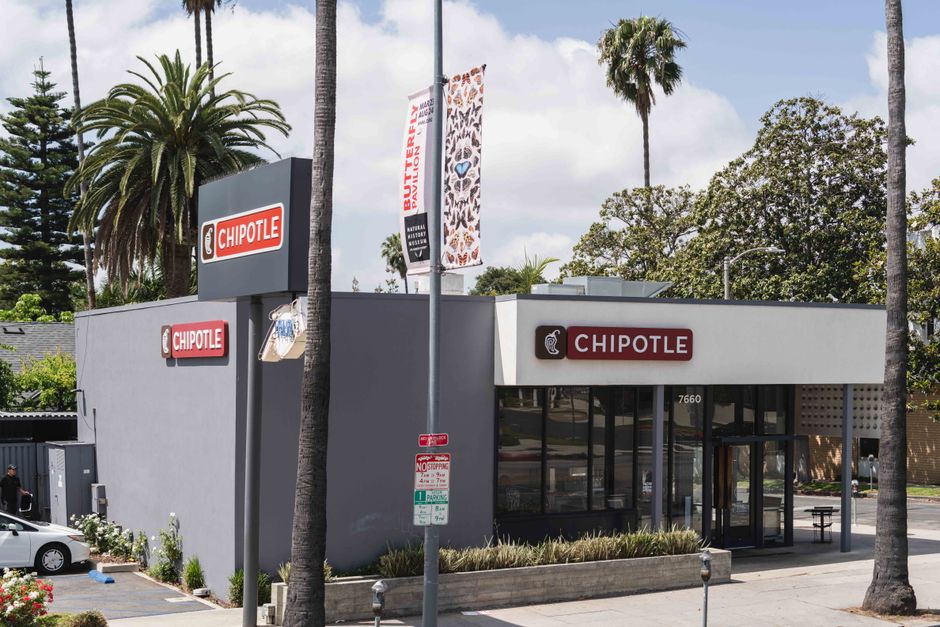
Yes, Chipotle is generally safe to eat. It is a fast-casual restaurant chain that cooks food in commercial kitchens and follows the same food safety rules as other large restaurant companies. Millions of meals are served there each year without incident. The more useful question is what specific risks exist, how the company manages them, and how those risks compare to eating anywhere else.
Chipotle has a documented history of foodborne illness outbreaks, most notably between 2015 and 2018. That history is real and worth understanding. It is also not the whole story. The company changed how it sources, prepares, and tests food in response. What follows is an honest look at what is known.
What Happened With Chipotle Food Safety Outbreaks?
Chipotle experienced a cluster of foodborne illness outbreaks that drew national attention starting in 2015. These were not a single event. They were multiple incidents across different states and different pathogens over roughly a three-year period.
Reported outbreaks were linked to several organisms, including E. coli, norovirus, and Salmonella. One of the larger norovirus incidents was tied to a single restaurant location and spread through an infected employee. A separate E. coli outbreak affected customers across multiple states and was eventually linked to ingredients that were never definitively confirmed. That is an important detail. Public health investigators identified the pattern of illness but could not always pinpoint the exact food source.
This matters because it shows how difficult foodborne outbreak investigation is. When many ingredients are combined in one meal, tracing the source takes time and sometimes fails. The CDC and state health departments investigated these events. The findings were serious enough to prompt major changes at the company.
It is worth noting that foodborne outbreaks happen at restaurants of all sizes and types. What made Chipotle’s situation unusual was the number of separate incidents in a short window and the national media attention they received.
What Changes Did Chipotle Make After the Outbreaks?
Chipotle overhauled its food safety program in response to the outbreaks. The changes focused on supplier testing, employee health, and kitchen procedures.
Some of the reported changes include:
- Increased testing of ingredients before they reach restaurants, particularly for produce and raw meat
- New protocols requiring employees to stay home when sick, with paid sick leave introduced to reduce the pressure to work while ill
- Changes to food preparation steps, including how certain ingredients are washed, cooked, and handled
- Additional training and audits across restaurant locations
- Adjustments to some supply chain practices, including how produce is prepped before shipping
The company has stated that these changes reduced the risk of the specific problems that caused the earlier outbreaks. Independent verification of the full impact is limited. Food safety researchers generally agree that the kinds of changes Chipotle made are consistent with established practices for reducing risk. Whether they eliminated risk entirely is not something anyone can claim about any restaurant.
Is Chipotle Safe To Eat Compared To Other Restaurants?
There is no evidence that Chipotle is currently more dangerous than comparable fast-casual restaurants. The outbreaks of 2015 to 2018 were a specific period. More recent data does not show Chipotle as an outlier in foodborne illness reports.
That said, comparing restaurant safety is harder than it sounds. Most foodborne illness is never reported. People who get a mild stomach bug often do not seek medical care or connect it to a specific meal. This means official outbreak data captures only the most serious or most clustered cases.
What is known is that all restaurants that handle raw meat, fresh produce, and large volumes of food carry some risk. The risk depends on supplier practices, kitchen procedures, employee health, and how food is stored and cooked. Chipotle operates within that same system.
A non-obvious point: the type of food matters as much as the restaurant. Chipotle serves a lot of fresh produce that is not cooked, like lettuce, salsa, and guacamole. Raw produce is a well-documented source of foodborne illness across the entire restaurant industry. This is not unique to Chipotle, but it is a real factor in how the menu is built.
What Are the Actual Risks of Eating at Chipotle?
The main risk is the same as at any restaurant: foodborne illness from bacteria, viruses, or other pathogens. For most healthy adults, this means a few days of nausea, vomiting, diarrhea, or stomach cramps. Serious complications are uncommon but possible.
Certain groups face higher risk:
- Pregnant women, because some foodborne infections can harm the pregnancy
- Young children, whose immune systems are still developing
- Older adults, especially those over 65
- People with weakened immune systems from illness or medication
For these groups, the consequences of a foodborne infection can be more severe. This does not mean they must avoid Chipotle. It means the general caution that applies to eating out applies here too.
Another risk category is less about pathogens and more about the food itself. Chipotle meals can be high in sodium and calories depending on what is ordered. A burrito with white rice, black beans, carnitas, cheese, sour cream, and guacamole can exceed 1,000 calories in a single meal. That is not a safety issue in the foodborne sense, but it matters for people managing blood pressure, blood sugar, or weight.
How Does Chipotle Handle Food Allergies?
Chipotle does not guarantee an allergen-free meal. The company states that cross-contact is possible because ingredients are prepared in shared kitchen spaces. This is common in fast-casual restaurants and is not unique to Chipotle.
For people with serious food allergies, this is a genuine concern. Someone with a severe peanut allergy, for example, needs to know that shared equipment and shared prep areas create risk. Chipotle’s published allergen information lists major allergens in its ingredients, but it also notes that cross-contact cannot be ruled out.
If you have a serious allergy, the safest approach is to speak directly with the restaurant manager about your specific allergen and how food is prepared at that location. Practices can vary by store. No restaurant that handles multiple allergens can promise zero risk.
What About Food Poisoning Reports and Lawsuits?
Chipotle has faced lawsuits related to foodborne illness, particularly from the 2015 to 2018 period. Some of these were settled. This is part of the public record.
Lawsuits are not a reliable measure of current safety. They reflect past events and legal processes, not present-day kitchen conditions. A company can face litigation for old problems while operating safely today. The reverse is also true.
What is more useful is looking at whether reported outbreaks have continued at the same rate. Based on publicly available data, the pattern of frequent, multi-state outbreaks that defined the 2015 to 2018 period has not continued. That is a meaningful shift, though it is not proof that no risk exists.
How Can You Reduce Your Risk When Eating at Chipotle?
You cannot eliminate the risk of foodborne illness at any restaurant. You can reduce it.
A few practical steps:
- Order cooked items when possible, since heat kills many pathogens
- Eat at busy locations where food turns over quickly and is less likely to sit out
- Check that hot food is actually hot and cold food is actually cold
- Avoid ordering if you see signs of poor hygiene in the dining or service area
- If you are in a high-risk group, be more cautious about raw produce and undercooked items
These steps apply to any restaurant, not just Chipotle. They are not guarantees. They simply lower the odds.
One more point that often gets lost: most foodborne illness from restaurants is never traced back to the source. If you get sick after eating out, you may never know what caused it. That uncertainty is normal and does not mean the restaurant was at fault.
Frequently Asked Questions
Is Chipotle safe to eat right now?
Yes, Chipotle is generally considered safe to eat. The company has food safety protocols in place, and there is no current evidence that it poses a higher risk than similar restaurants.
Did Chipotle ever have E. coli?
Yes, Chipotle was linked to E. coli outbreaks between 2015 and 2018. The company made significant changes to its food safety program in response.
Can you get food poisoning from Chipotle?
It is possible to get food poisoning from any restaurant, including Chipotle. The risk is not zero, but it is also not higher than at comparable fast-casual restaurants based on available data.
Is Chipotle safe for pregnant women?
Pregnant women face higher risk from foodborne infections in general, so caution is reasonable. Avoiding raw or undercooked items and following general food safety practices can help reduce risk.
