
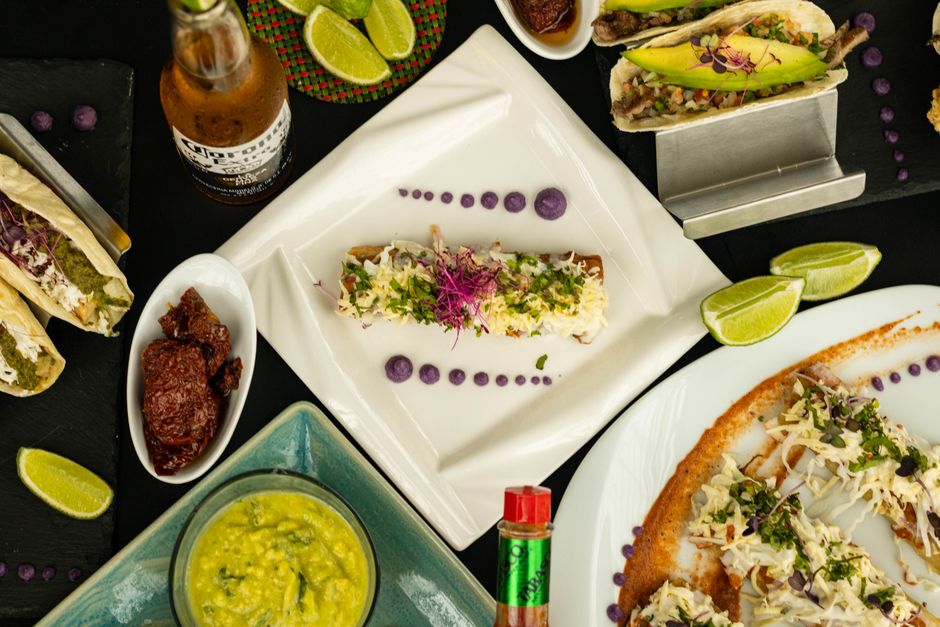
Chipotle cheese is not a light food. It is a firm, smoky cheese made by adding chipotle peppers — smoked, dried jalapeños — to a base of milk, salt, and cultures. A single ounce delivers a concentrated dose of sodium, saturated fat, and calories, and the chipotle flavoring adds little nutrition. Whether it fits a healthy diet depends almost entirely on how much you eat and what else is on your plate that day.
What Is Chipotle Cheese, Exactly?
Chipotle cheese is a flavored cheese, not a distinct variety with a protected standard of identity. Most products sold under that name are firm cheeses — often a cheddar, gouda, or jack base — mixed with chopped or ground chipotle peppers during production. The peppers give it a smoky, moderately spicy taste and a reddish-orange tint.
Because there is no single recipe, the nutrition varies from brand to brand. Some makers use a full-fat base and heavy pepper content. Others use part-skim milk or a lower-fat base. The one consistent feature is the cheese itself: like nearly all cheese, it is dense in calories, fat, and sodium per ounce.
This matters for reading labels. A chipotle cheese from one producer can differ meaningfully from another in fat and sodium. The type of base cheese tells you more about the nutrition than the word “chipotle” does.
Is Chipotle Cheese Healthy? Sodium, Fat, and Calories
Per ounce, firm cheese is one of the more calorie-dense and sodium-dense foods in a typical American diet. One ounce — about the size of a pair of dice or a single slice — commonly provides roughly 100 to 120 calories, 8 to 10 grams of fat (much of it saturated), and 150 to 200 milligrams of sodium. Exact values depend on the base cheese and brand.
Those numbers are not alarming on their own. The issue is portion size. Cheese is easy to eat in amounts well beyond one ounce, and the sodium and saturated fat add up quickly.
Why Sodium Is the Main Concern
Cheese is made with salt, and salt is the primary source of its sodium. The Dietary Guidelines for Americans recommend limiting sodium to 2,300 milligrams per day for most adults. For people with high blood pressure or other conditions, clinicians often suggest lower targets. A few ounces of chipotle cheese can supply a meaningful share of that daily limit before any other food is counted.
Sodium matters because excess intake is linked to elevated blood pressure in salt-sensitive people. Not everyone responds the same way, but the population-level relationship between high sodium intake and high blood pressure is well established.
Why Saturated Fat Matters
Most of the fat in full-fat cheese is saturated. Current dietary guidance recommends keeping saturated fat to less than 10 percent of daily calories. For a person eating 2,000 calories a day, that is about 22 grams. Two ounces of a typical full-fat chipotle cheese could approach or exceed half of that.
The evidence on saturated fat and heart disease is more nuanced than it was decades ago, and researchers continue to debate how much specific foods like cheese contribute to risk. What is not in dispute is that cheese is calorie-dense, and excess calories from any source contribute to weight gain.
How Does Chipotle Cheese Compare to Plain Cheese?
The chipotle peppers themselves add almost nothing to the nutrition profile. Peppers are low in calories, and the amount used in cheese is small. The base cheese drives the sodium, fat, and calorie content.
That means chipotle cheese is nutritionally close to its base cheese — a chipotle cheddar is close to cheddar, a chipotle jack close to jack. The flavor changes; the macronutrients barely do.
| Nutrient (per 1 oz, typical full-fat firm cheese) | Approximate Amount |
|---|---|
| Calories | 100–120 |
| Total fat | 8–10 g |
| Saturated fat | 5–6 g |
| Sodium | 150–200 mg |
| Protein | 6–7 g |
| Calcium | About 200 mg |
These are general ranges for firm cheese, not a specific brand. Check the label on the product you buy, because values vary. Cheese also provides protein and calcium, which are genuine nutritional benefits.





Does Chipotle Cheese Have Any Nutritional Benefits?
Yes, and they are easy to overlook. Cheese is a concentrated source of protein, calcium, and phosphorus. It also contains vitamin A and, in some varieties, vitamin B12. A single ounce contributes meaningfully to daily calcium needs.
The chipotle peppers add a small amount of capsaicin, the compound responsible for the heat in chili peppers. Some research suggests capsaicin may influence metabolism and appetite, but the amounts present in a flavored cheese are far too small to produce any meaningful effect. Treat the pepper content as flavor, not function.
There is also a common belief that aged cheese is a good source of probiotics. Most cheese does not contain live probiotic cultures in meaningful amounts, because the aging and processing steps reduce them. Some evidence indicates certain cheeses may support gut health, but this is not a settled area, and no clinical guidelines recommend cheese as a probiotic source.
Who Should Be Careful With Chipotle Cheese?
Several groups have good reason to watch their intake closely.
- People with high blood pressure — the sodium load is the main issue, since salt intake affects blood pressure in salt-sensitive individuals.
- People managing heart disease or high LDL cholesterol — the saturated fat content is relevant to dietary guidance in this group.
- People with lactose intolerance — firm aged cheeses are usually lower in lactose than soft cheeses, but tolerance varies. Some people still react.
- People on a low-sodium diet — cheese is a common hidden source of sodium.
For anyone with a diagnosed condition, the specific guidance should come from a clinician or dietitian, not from a general article. Individual targets for sodium and saturated fat differ.
How Can You Fit Chipotle Cheese Into a Healthy Diet?
Cheese can be part of a healthy eating pattern. The key is portion and context, not avoidance.
Keep servings modest. One ounce is a reasonable single serving. Use chipotle cheese as a flavor accent rather than a main component — a little grated over eggs, a thin slice on a sandwich, or a small amount crumbled into a salad. The smoky heat means you can often use less and still taste it.
Pair it with foods that balance the meal: vegetables, whole grains, beans, or fruit. These add fiber and potassium, which are part of a blood-pressure-friendly eating pattern. Choosing a part-skim or reduced-sodium version, when available, can lower the sodium and saturated fat per ounce.
What you should not do is assume that because a cheese is flavored with a vegetable, it is somehow lighter. It is not. The peppers change the taste, not the nutrition.
Is Chipotle Cheese a “Health Food”?
No. Chipotle cheese is a flavorful, calorie-dense, sodium-rich food that can fit into a balanced diet in modest amounts. It is not a health food, and no marketing claim changes that. The chipotle flavoring does not offset the sodium and saturated fat from the cheese base.
That does not make it bad. It makes it a food to enjoy in appropriate portions, like most full-fat cheeses. The honest position is simple: the base cheese determines the nutrition, the peppers add flavor, and portion size determines whether it helps or hinders your overall diet.
Frequently Asked Questions
Is chipotle cheese high in sodium?
Yes. Like most firm cheeses, it typically contains around 150 to 200 milligrams of sodium per ounce. That can add up quickly against a daily limit of 2,300 milligrams for most adults.
How many calories are in an ounce of chipotle cheese?
A typical full-fat firm cheese provides roughly 100 to 120 calories per ounce. Exact values vary by brand and base cheese, so check the label.
Is chipotle cheese healthier than regular cheddar?
No. The chipotle peppers add flavor but almost no nutrition, so the sodium, fat, and calorie content stays close to the base cheese. A chipotle cheddar is nutritionally similar to plain cheddar.
Can I eat chipotle cheese on a low-sodium diet?
Possibly, in small amounts, but cheese is a common hidden source of sodium and can make low-sodium targets hard to hit. Ask your clinician or dietitian for guidance specific to your situation.
