
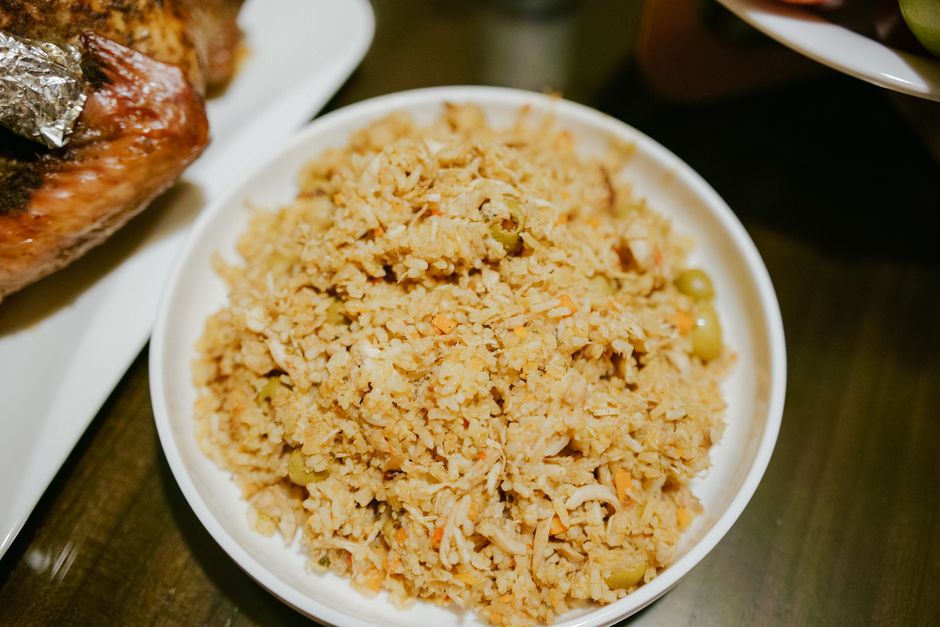
Chicken fried rice is a popular takeout dish, but whether it is healthy depends entirely on how it is made. A standard restaurant portion is often high in calories, sodium, and refined carbohydrates, making it a meal to enjoy occasionally rather than daily. However, a homemade version made with controlled portions, lean chicken, and plenty of vegetables can be a reasonably balanced meal. The real answer is that the cooking method and ingredients determine the nutritional value, not the dish itself.
What Is in a Typical Serving of Chicken Fried Rice?
A standard restaurant serving of chicken fried rice usually contains white rice, chicken, eggs, peas, carrots, onions, soy sauce, and cooking oil. The base is white rice, which is a refined grain. That means the fiber-rich bran and nutrient-dense germ have been removed during processing.
The cooking process matters more than most people realize. Fried rice is typically cooked in a wok with a generous amount of oil. Restaurants often use several tablespoons of oil per serving to prevent sticking and create that characteristic texture. This adds significant calories and fat that are not obvious when you look at the dish.
A typical restaurant portion can contain anywhere from 800 to 1,200 calories. Much of that comes from the oil and the large portion size. A single takeout container often holds two to three servings of rice, even though it looks like one meal.
How Many Calories Are in Chicken Fried Rice?
Calorie counts vary widely depending on the recipe and portion size. A homemade serving made with about one cup of cooked rice, three ounces of chicken, one egg, and a modest amount of oil typically comes to around 400 to 500 calories. A restaurant portion is often double that.
The main calorie driver is the oil. One tablespoon of cooking oil adds about 120 calories. Restaurants commonly use two to four tablespoons per order. That alone adds 240 to 480 calories before you account for the rice, chicken, and egg.
White rice itself is not the main problem. One cup of cooked white rice has about 200 calories. The issue is portion size. A takeout container can easily hold two to three cups of cooked rice.
Is Chicken Fried Rice High in Sodium?
Sodium is one of the biggest nutritional concerns with chicken fried rice. Soy sauce is the primary seasoning, and it is naturally high in sodium. A single tablespoon of soy sauce contains around 900 milligrams of sodium.
Restaurant versions often add more than soy sauce. Many recipes include oyster sauce, fish sauce, or additional salt. These ingredients push the sodium content higher. A typical restaurant serving of chicken fried rice can contain 1,500 to 2,500 milligrams of sodium.
For context, the general dietary guideline for most adults is to stay under 2,300 milligrams of sodium per day. Many health organizations recommend a lower target of 1,500 milligrams, especially for people with high blood pressure. A single takeout order of fried rice can exceed that entire daily limit.
Homemade versions give you control over sodium. Using low-sodium soy sauce, measuring your portions, and relying on garlic, ginger, and other spices for flavor can reduce the sodium substantially.





What Are the Nutritional Benefits of Chicken Fried Rice?
Chicken fried rice is not without nutritional value. Chicken provides high-quality protein, which supports muscle maintenance and keeps you feeling full. A three-ounce portion of cooked chicken breast contains about 26 grams of protein.
Eggs add additional protein along with choline, a nutrient important for brain and liver function. The vegetables commonly used in fried rice — peas, carrots, and onions — contribute fiber, vitamin A, vitamin C, and various antioxidants.
These benefits are real but modest. The vegetables in a typical serving of fried rice are usually a small fraction of the dish. Most of the volume is rice. To make fried rice more balanced, you would need to increase the vegetable content significantly and reduce the rice portion.
Brown rice is a better base than white rice if you are making it at home. Brown rice retains its bran and germ, providing more fiber, magnesium, and B vitamins. It also has a lower glycemic index, meaning it raises blood sugar more slowly than white rice.
Is Chicken Fried Rice Healthy for Weight Loss?
Chicken fried rice can fit into a weight loss plan, but it requires careful portion control. The dish is calorie-dense because of the oil and rice. Eating a large restaurant portion can easily consume half or more of your daily calorie needs.
The protein content is helpful for satiety. Protein takes longer to digest than carbohydrates and helps you feel full after a meal. However, the high fat content from cooking oil also adds calories, and those calories add up quickly.
If you are trying to lose weight, the most practical approach is to make fried rice at home. You can control the oil, use brown rice, load up on vegetables, and keep the portion reasonable. A serving of roughly one cup of cooked rice with plenty of vegetables and a moderate amount of chicken and egg provides a satisfying meal for around 400 to 500 calories.
Restaurant fried rice is harder to fit into a weight loss plan because you cannot control the ingredients. If you do order it, consider eating half the portion and saving the rest for another meal.
How Does Chicken Fried Rice Compare to Other Takeout Options?
Compared to many other takeout dishes, chicken fried rice is not the worst choice, but it is not the best either. Dishes like General Tso’s chicken, sweet and sour pork, and breaded fried appetizers are typically higher in sugar and unhealthy fats.
Chicken fried rice does provide some protein and vegetables, which puts it ahead of plain white rice or noodles. However, dishes that feature steamed vegetables and lean protein, such as steamed chicken and broccoli with sauce on the side, are generally healthier choices.
The table below shows a rough comparison of common takeout options. These are estimates based on typical restaurant recipes, and actual values vary by restaurant.
| Dish | Approximate Calories | Approximate Sodium | Protein |
|---|---|---|---|
| Chicken fried rice (restaurant) | 800–1,200 | 1,500–2,500 mg | 25–35 g |
| Steamed chicken and broccoli | 400–600 | 1,000–1,500 mg | 35–45 g |
| General Tso’s chicken | 1,200–1,600 | 2,000–3,000 mg | 30–40 g |
| Beef and broccoli | 700–1,000 | 1,500–2,500 mg | 30–40 g |
These numbers are estimates, not exact figures. The takeaway is that fried rice falls in the middle of the takeout spectrum. It is not the most unhealthy option, but it is not a health food either.
Can You Make Chicken Fried Rice Healthier at Home?
Making chicken fried rice at home is the most reliable way to improve its nutritional profile. You control every ingredient, which means you can reduce calories, sodium, and unhealthy fats while increasing protein and vegetables.
Start with brown rice instead of white rice. Cook it a day ahead and refrigerate it. Cold rice fries better because it is drier and less sticky, which means you need less oil. Leftover rice also has a lower glycemic response than freshly cooked rice due to a process called retrogradation, where the starch structure changes upon cooling.
Use less oil than a restaurant would. One to two teaspoons of oil in a nonstick pan is usually enough to cook the ingredients without sticking. You can also use a small amount of chicken broth or water to help cook the vegetables.
Increase the vegetable content. Add broccoli, bell peppers, mushrooms, snap peas, or cabbage in addition to the traditional peas and carrots. Aim for the vegetables to take up at least half the volume of the dish.
Choose low-sodium soy sauce and measure it rather than pouring directly from the bottle. A single tablespoon of low-sodium soy sauce contains about 550 milligrams of sodium, which is still significant but much less than the regular version.
Use chicken breast instead of dark meat to reduce saturated fat. Chicken breast is leaner than thigh meat, though thigh meat has more flavor. Both are acceptable, but breast meat is the lower-calorie option.
Is Chicken Fried Rice Healthy for People with Diabetes?
People with diabetes need to be cautious with chicken fried rice because of the refined carbohydrates. White rice has a high glycemic index, meaning it causes a rapid rise in blood sugar after eating. The oil in fried rice can also slow digestion, which may blunt the blood sugar spike somewhat, but the overall carbohydrate load remains high.
A typical serving of fried rice contains 50 to 80 grams of carbohydrates, mostly from the rice. For someone with diabetes, this can represent a large portion of their carbohydrate allowance for an entire meal.
Homemade versions using brown rice, cauliflower rice, or a mix of both can be more diabetes-friendly. Cauliflower rice is a low-carbohydrate alternative that mimics the texture of rice when cooked properly. It contains about 5 grams of carbohydrates per cup, compared to 45 grams in a cup of cooked white rice.
Portion size is critical. A smaller serving with extra vegetables and a generous amount of chicken or egg can provide a balanced meal without causing a major blood sugar spike. Testing blood sugar before and after a meal can help you understand how your body responds to this dish.
What Is the Healthiest Way to Eat Chicken Fried Rice?
The healthiest version of chicken fried rice is one you make yourself with whole ingredients. Use brown rice or cauliflower rice, plenty of vegetables, lean chicken, and minimal oil. Season with low-sodium soy sauce, garlic, ginger, and a small amount of sesame oil for flavor.
If you are ordering from a restaurant, ask for light oil and light soy sauce. Some restaurants will accommodate these requests. You can also ask for extra vegetables and less rice. Splitting the order with someone else or saving half for later is a practical way to manage portion size.
Chicken fried rice is not a superfood, and it is not a dietary disaster. It is a flavorful, convenient meal that can be adjusted to fit a healthy eating pattern. The key is awareness of portion size and ingredient quality.
The evidence is clear that diets high in refined grains, added fats, and sodium are associated with increased risk of chronic disease. Chicken fried rice prepared the standard way checks all three of those boxes. But the same dish, prepared thoughtfully at home, can be part of a balanced diet.
Frequently Asked Questions
Is chicken fried rice high in calories?
A restaurant serving typically contains 800 to 1,200 calories, while a homemade portion with controlled ingredients is around 400 to 500 calories.
Can I eat chicken fried rice on a diet?
Yes, if you control the portion and prepare it with less oil, brown rice, and extra vegetables, it can fit into a weight loss plan.
Is chicken fried rice healthier than white rice?
Not necessarily. Fried rice has added oil and sodium from soy sauce, which makes it higher in calories and salt than plain cooked white rice.
Is cauliflower fried rice a good substitute?
Cauliflower rice is a lower-carbohydrate alternative with about 5 grams of carbs per cup, making it a useful substitute for people managing blood sugar or calorie intake.
