
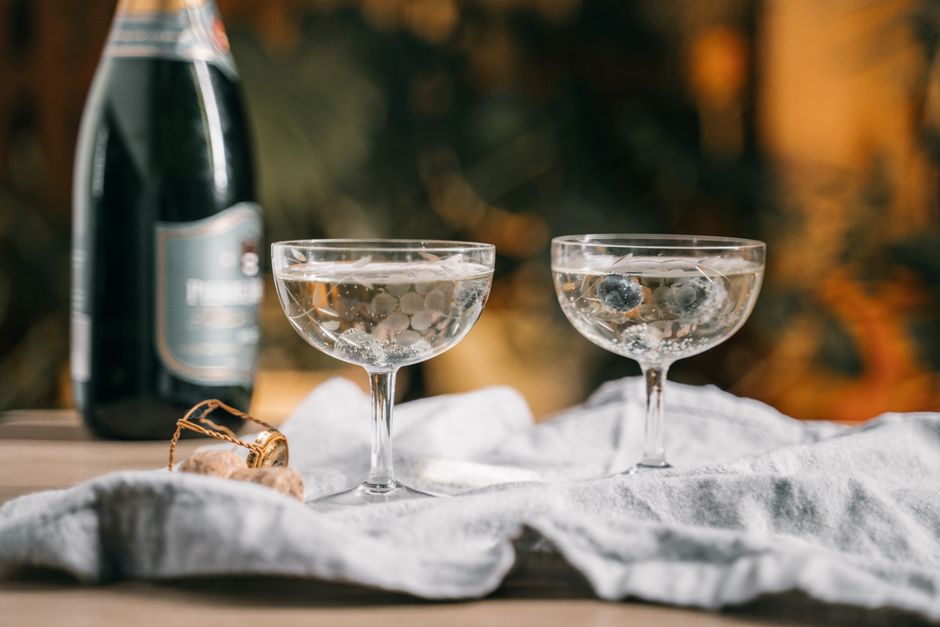
Champagne is naturally low in carbohydrates, with roughly 1 to 2 grams of carbs per 5-ounce serving, making it one of the most keto-friendly alcoholic beverages available. However, it is still alcohol, and alcohol can pause fat burning while your body processes it. For anyone following a strict ketogenic diet, champagne can fit into your daily carb limit, but it comes with important metabolic trade-offs that go beyond the carb count alone.
Is Champagne Low Carb Or Keto Friendly?
Yes, champagne is low carb. A standard 5-ounce glass of brut champagne contains about 1 to 2 grams of carbohydrates. This is significantly lower than beer, which typically contains 10 to 15 grams per serving, and lower than most wines, which usually range from 3 to 4 grams per glass.
The carb content depends heavily on the style. Here is how the common types compare:
- Brut Nature or Zero Dosage: Less than 3 grams of sugar per liter. Nearly zero carbs per glass.
- Extra Brut: 0 to 6 grams of sugar per liter. Roughly 0.5 to 1 gram of carbs per glass.
- Brut: Less than 12 grams of sugar per liter. About 1 to 2 grams of carbs per glass.
- Extra Dry: 12 to 17 grams of sugar per liter. About 2 to 3 grams of carbs per glass.
- Demi-Sec: 32 to 50 grams of sugar per liter. This can reach 5 or more grams of carbs per glass.
If you are counting carbs strictly, brut or extra brut are your safest choices. Demi-sec and doux styles are noticeably sweeter and should be avoided on keto.
How Many Carbs Are Actually In A Glass Of Champagne?
The standard serving size for champagne is 5 ounces, which is about one standard drink. In that serving, a brut champagne delivers roughly 1.5 grams of carbohydrates. Some labels report slightly higher or lower numbers depending on the exact sugar dosage used by the producer.
Champagne is made from grapes, so it starts with natural grape sugar. During fermentation, yeast converts most of that sugar into alcohol. The remaining sugar, which is left over after fermentation, is what determines the final carb count. This is why drier styles have fewer carbs.
The alcohol itself contains no carbohydrates. Alcohol has calories, about 7 calories per gram, but none of those calories come from sugar or starch. This means the total calorie count of champagne comes from a combination of alcohol and residual sugar.
Does Champagne Break Ketosis?
Champagne will not break ketosis through carbohydrates alone if you stick to a dry style. One or two glasses of brut champagne contain so few carbs that they will not push you out of your daily carb limit.
The bigger concern is how your body handles alcohol while in ketosis. When you drink alcohol, your liver prioritizes breaking down the alcohol over producing ketones. This is a temporary shift. Once the alcohol is metabolized, ketone production resumes. For most people, a glass or two of champagne causes a brief pause in ketone production, not a complete loss of ketosis.
What can actually break ketosis is the eating that often accompanies drinking. Alcohol lowers inhibitions. Late-night snacks, bread baskets, or dessert decisions after a few glasses of champagne are what typically end a keto streak, not the champagne itself.




How Alcohol Affects Blood Sugar And Fat Burning
Alcohol has a unique effect on blood sugar regulation. For people without diabetes, moderate alcohol consumption can cause a slight drop in blood sugar because the liver is busy processing alcohol instead of releasing stored glucose. This is generally not dangerous in healthy individuals, but it is worth understanding if you are monitoring your glucose levels.
Fat burning is also affected. Research consistently shows that when alcohol is present in the bloodstream, the body uses it as its primary fuel source. Fat oxidation, the process of burning stored fat for energy, is suppressed until the alcohol is cleared. This does not mean you gain fat from drinking champagne. It means the fat-burning process temporarily pauses.
For someone on keto, this is a metabolic trade-off. You can stay in ketosis and keep your carbs low, but you will not be actively burning fat while the alcohol is in your system. This effect lasts roughly as long as it takes to metabolize the drink, which is about one hour per standard serving for most people.
Champagne Versus Other Alcoholic Drinks On Keto
If you are comparing champagne to other alcoholic options, it is one of the better choices. Here is how it stacks up against common alternatives:
- Champagne (brut): 1 to 2 grams of carbs per 5-ounce serving.
- Dry red or white wine: 3 to 4 grams of carbs per 5-ounce serving.
- Light beer: 3 to 6 grams of carbs per 12-ounce serving.
- Regular beer: 10 to 15 grams of carbs per 12-ounce serving.
- Spirits like vodka or whiskey: Zero carbs when consumed straight or with zero-carb mixers.
- Sugary cocktails: 20 to 40 grams of carbs per serving depending on the mixers.
Spirits are the only zero-carb alcoholic option. Champagne is the lowest-carb choice among wines and beers. If you prefer sparkling wine, choosing champagne over a sweeter prosecco or moscato will save you several grams of carbs per glass.
Practical Tips For Drinking Champagne On Keto
Not all champagne is created equal when it comes to carbs. Reading the label matters more than you might think. Look for the terms brut nature, extra brut, or brut on the bottle. These indicate the driest styles with the least sugar.
Watch your serving size. A standard pour is 5 ounces, but many restaurants and bars pour more generously. A larger glass means more carbs and more alcohol. If you are pouring at home, measuring your serving is a simple way to stay accurate with your tracking.
Champagne also contains carbonation, which can cause alcohol to be absorbed slightly faster than still wine. The practical difference is small, but it is a reason to pace yourself. Bubbles can also lead to bloating, which some people find uncomfortable when they are already adjusting to a low-carb diet.
Stay hydrated. Alcohol is a diuretic, and dehydration can worsen the effects of drinking. Alternating champagne with water is a practical strategy that helps with both hydration and pacing.
The Bottom Line On Champagne And Keto
Champagne is genuinely keto-friendly in moderation. A glass of brut champagne contains only 1 to 2 grams of carbs, which fits easily into a standard keto diet that typically allows 20 to 50 grams of carbs per day.
The real considerations are not about carbs. They are about alcohol’s effect on fat metabolism, the risk of overeating while drinking, and the importance of choosing the right style. Dry champagne is a low-carb choice. Sweet champagne is not.
If you are on keto and you want to enjoy a glass of champagne, choose a brut or extra brut style, measure your pour, and remember that alcohol pauses fat burning temporarily even though it does not kick you out of ketosis. One or two glasses on occasion is reasonable for most people. Heavy drinking is never compatible with health goals, regardless of the carb count.
Frequently Asked Questions
Can I drink champagne on a keto diet?
Yes, brut champagne contains only 1 to 2 grams of carbs per 5-ounce glass, which fits within most keto carb limits. Choose dry styles like brut nature or extra brut for the lowest carb count.
What champagne has the least carbs?
Brut nature and extra brut champagnes have the least carbs because they contain the smallest amount of residual sugar. These styles can have less than 1 gram of carbs per serving.
Does champagne kick you out of ketosis?
Champagne will not kick you out of ketosis through its carb content, but alcohol temporarily pauses ketone production while your liver processes it. Ketosis resumes once the alcohol is metabolized.
How many carbs are in a glass of champagne?
A standard 5-ounce glass of brut champagne contains about 1 to 2 grams of carbohydrates. Sweeter styles like demi-sec can contain 5 or more grams per glass.
