
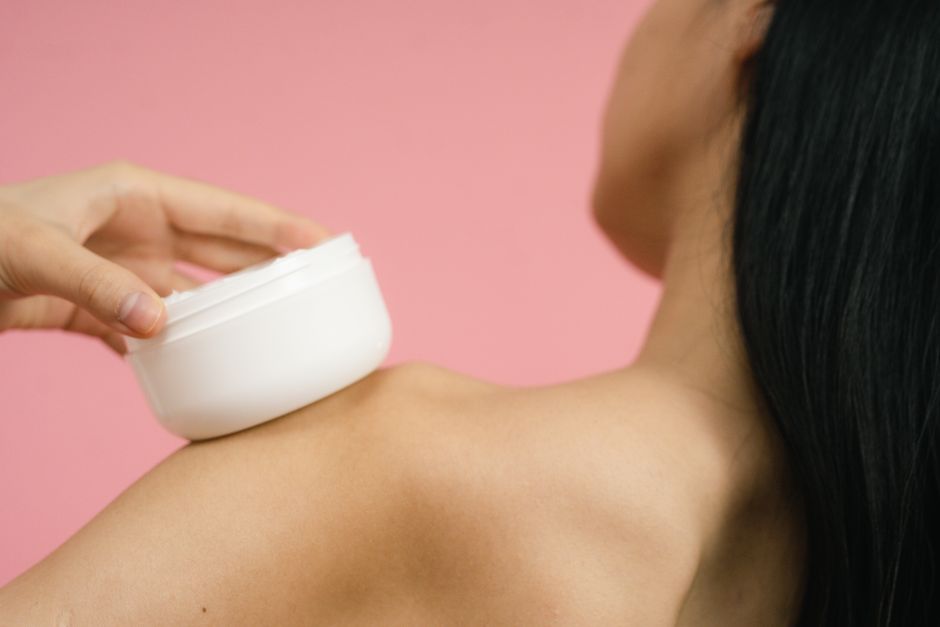
Cetearyl alcohol is not bad for skin. It is a fatty alcohol used in cosmetics as a thickener and emulsion stabilizer, and it is generally considered safe and non-irritating for most people. The confusion comes from its name. Cetearyl alcohol is not the same as the drying, irritating alcohols found in toners and hand sanitizers.
Is Cetearyl Alcohol Bad For Skin The Facts?
Cetearyl alcohol is a mixture of two fatty alcohols: cetyl alcohol and stearyl alcohol. Both are long-chain molecules derived from plant oils or fats. Unlike ethanol or isopropyl alcohol, they do not evaporate quickly or strip the skin.
Instead, they act as emollients and emulsifiers. They help water and oil mix in a formula, giving creams and lotions their smooth texture. They also help soften the skin and reduce water loss from the surface.
The name “alcohol” refers to a chemical structure, not a behavior. A fatty alcohol has a long carbon chain attached to a hydroxyl group. This structure makes it waxy and oily rather than drying. Short-chain alcohols like ethanol have a much smaller structure that lets them evaporate and pull moisture from the skin.
This is the non-obvious point most people miss: the word “alcohol” covers a huge family of chemicals with opposite effects on skin. Cetearyl alcohol belongs to the fatty alcohol group, which behaves more like a moisturizer than a solvent.
What Is the Difference Between Fatty Alcohols and Drying Alcohols?
The difference comes down to molecular size and how the substance interacts with water and skin.
Drying alcohols, sometimes called simple alcohols, include ethanol, denatured alcohol, and isopropyl alcohol. They have short carbon chains. They mix easily with water and evaporate fast. When applied to skin, they can dissolve oils in the skin barrier and leave it feeling tight or dry. In high concentrations or frequent use, they can irritate skin.
Fatty alcohols have long carbon chains, usually 12 or more carbons. Cetyl alcohol has 16 carbons. Stearyl alcohol has 18. These long chains make them solid or waxy at room temperature and insoluble in water. They do not evaporate. Instead, they stay on the skin and act as emollients.
Common fatty alcohols in skincare include:
- Cetyl alcohol
- Stearyl alcohol
- Cetearyl alcohol (a blend of the two)
- Cetearyl alcohol
- Behenyl alcohol
- Lauryl alcohol
- Myristyl alcohol
These are all considered safe for skin. Some people with very sensitive skin may react to one specific fatty alcohol, but this is uncommon and usually mild.
Is Cetearyl Alcohol Comedogenic or Acne-Causing?
Cetearyl alcohol is generally considered low on the comedogenic scale. That means it is unlikely to clog pores for most people. It is often used in moisturizers and sunscreens that are labeled non-comedogenic.
However, no ingredient is universally safe for every person with acne. Some people with acne-prone skin report breakouts from products containing fatty alcohols. This does not mean the alcohol itself is the cause. It could be another ingredient in the formula, or it could be that the product is too heavy for their skin type.
If you have acne and notice breakouts after using a new product, the best approach is to stop using it and see if your skin clears. A dermatologist can help identify the specific trigger. Patch testing a small area first can also help.





Can Cetearyl Alcohol Cause Allergic Reactions?
Allergic contact dermatitis to fatty alcohols is possible but rare. When it happens, it is usually a mild reaction with redness, itching, or small bumps where the product was applied.
Some studies suggest that cetyl alcohol is a more common sensitizer than stearyl alcohol. But the overall rate of allergy to these ingredients is low compared to preservatives or fragrances.
If you suspect an allergy, a dermatologist can perform patch testing. This involves applying small amounts of common allergens to your back and checking for a reaction after a few days. It is the most reliable way to identify a specific allergy.
It is also worth noting that many products labeled “alcohol-free” still contain fatty alcohols. That label usually means the product does not contain ethanol or other drying alcohols. It does not mean it is free of all alcohols. This can be confusing, but reading the full ingredient list is the only way to know what is actually in a product.
Why Is Cetearyl Alcohol in So Many Skincare Products?
Cetearyl alcohol is popular because it does several jobs well at the same time.
First, it is an emulsifier. It helps oil and water stay mixed in a formula. Without emulsifiers, creams would separate into oily and watery layers. This makes it essential for lotions, creams, and conditioners.
Second, it is a thickener. It gives products a rich, creamy texture. This improves how a product feels on the skin and how easily it spreads.
Third, it is an emollient. It softens and smooths the skin by filling in small gaps between skin cells. This can make skin feel softer and look less rough.
Fourth, it is stable. It does not break down easily, so products containing it have a long shelf life. It also works well with many other ingredients, which makes it easy for formulators to use.
Because it is plant-derived in most modern cosmetics, it also fits into vegan and cruelty-free product lines. This has increased its popularity in recent years.
What Should You Do If You Think Cetearyl Alcohol Irritates Your Skin?
If you suspect a product containing cetearyl alcohol is causing a problem, stop using it for a week or two. See if your skin improves. If it does, you may have found your trigger.
But do not assume cetearyl alcohol is the culprit right away. Many products contain multiple ingredients, and any one of them could be the cause. Fragrances, preservatives, and essential oils are more common irritants than fatty alcohols.
If you want to test a product, apply a small amount to your inner forearm twice a day for a few days. If no reaction appears, try it on your face. This is not a perfect test, but it can help narrow things down.
If you have persistent skin problems, see a dermatologist. They can help you identify the cause and recommend products that are less likely to cause irritation.
For most people, cetearyl alcohol is not a problem. It is a well-studied ingredient with a long history of safe use in cosmetics. The evidence does not support avoiding it unless you have a confirmed allergy or a specific sensitivity.
Frequently Asked Questions
Is cetearyl alcohol bad for your skin?
No. Cetearyl alcohol is a fatty alcohol that is generally safe and non-irritating for most people. It is not the same as drying alcohols like ethanol or isopropyl alcohol.
Is cetearyl alcohol comedogenic?
Cetearyl alcohol is considered low on the comedogenic scale, meaning it is unlikely to clog pores for most people. Some individuals with acne-prone skin may still react to certain formulas, but the alcohol itself is not a common cause.
Can cetearyl alcohol cause an allergic reaction?
Allergic reactions to cetearyl alcohol are rare but possible. If you notice redness, itching, or bumps after using a product, stop using it and consider patch testing with a dermatologist.
Is cetearyl alcohol the same as rubbing alcohol?
No. Rubbing alcohol is isopropyl alcohol, a short-chain alcohol that evaporates quickly and can dry out skin. Cetearyl alcohol is a long-chain fatty alcohol that stays on the skin and acts as a moisturizer.
