
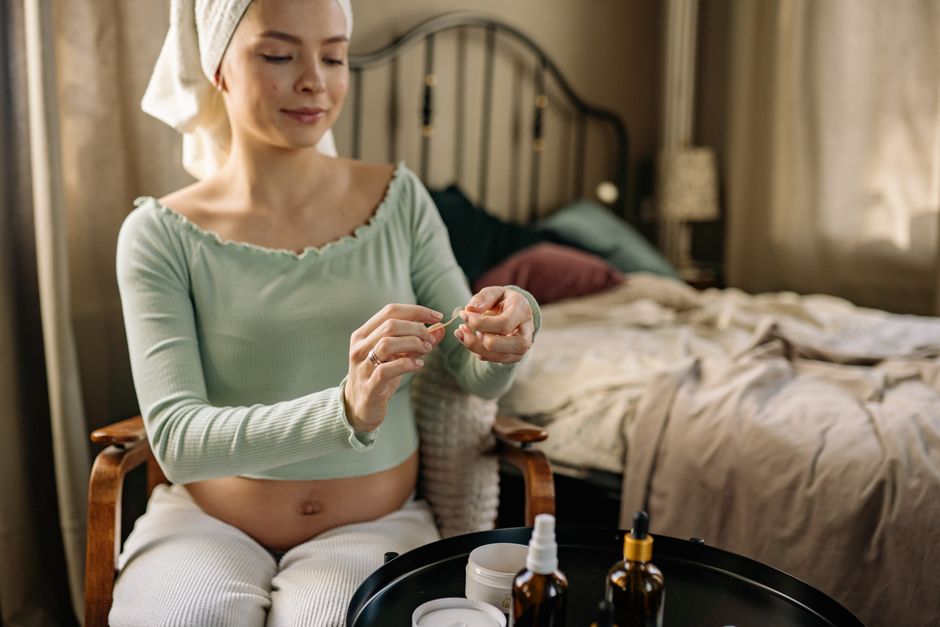
Most CeraVe products are considered safe to use during pregnancy. The brand’s core moisturizers, cleansers, and sunscreens rely on ingredients like ceramides, hyaluronic acid, glycerin, and niacinamide — none of which are linked to harm in pregnancy. The main exceptions are products containing retinoids or salicylic acid at higher concentrations, which deserve more caution.
CeraVe is a dermatologist-favored brand built around ceramides and gentle formulations. That reputation is largely deserved. But “pregnancy-safe” is not a label the brand carries, and a few products in the lineup contain ingredients worth checking. Here is what the evidence actually supports.
What Makes a Skincare Ingredient Risky During Pregnancy?
Pregnancy changes how the body handles certain chemicals, and some topical ingredients can cross into the bloodstream in amounts that matter. The concern is not skin irritation. It is whether an ingredient reaches the fetus in a form that could affect development.
Most skincare ingredients stay on the skin’s surface or are absorbed in tiny amounts. That is why the vast majority of cosmetics are considered low risk. The ingredients that raise flags fall into a few categories: retinoids (which are related to vitamin A and can affect fetal development at high doses), high-dose salicylic acid, and certain essential oils and preservatives that some clinicians advise limiting.
Dermatologists generally draw a line between “avoid entirely” and “use with awareness.” Retinoids fall in the first group. Many other ingredients fall in the second. CeraVe’s standard lineup sits mostly in the second group or below.
Which CeraVe Ingredients Are Considered Safe in Pregnancy?
The ingredients that make up most CeraVe products have no known link to pregnancy harm when used topically. Ceramides, hyaluronic acid, glycerin, cholesterol, and fatty acids are naturally occurring components of skin and are well tolerated. Niacinamide (a form of vitamin B3) is widely used in pregnancy-safe skincare and is generally considered fine at cosmetic concentrations.
Here is a quick reference for the ingredients you will most often see in CeraVe products:
- Ceramides — skin-identical lipids; no pregnancy concerns reported.
- Hyaluronic acid — a humectant found naturally in the body; considered safe topically.
- Glycerin — a common moisturizer; no known pregnancy risk.
- Niacinamide — generally considered safe at cosmetic levels.
- Petrolatum and mineral oil — occlusives with no systemic absorption of concern.
- Zinc oxide and titanium dioxide — mineral sunscreen filters; considered safe in pregnancy.
One clarification worth making: “safe” here means no evidence of harm at typical cosmetic use. It does not mean these ingredients have been tested in large pregnancy trials. Most cosmetic ingredients have not. The assessment rests on decades of use and the absence of reported problems, not on controlled studies in pregnant women.
Which CeraVe Products Should You Avoid During Pregnancy?
Two categories in the CeraVe lineup deserve a closer look: products containing retinoids and products with salicylic acid. Retinoid-containing products are the clearest case for avoidance.
CeraVe has sold retinol-based products, including some resurfacing and anti-aging serums. Topical retinoids are widely advised against in pregnancy. The evidence for topical retinol is less clear-cut than for prescription retinoids like tretinoin, but most clinicians recommend avoiding all retinoids during pregnancy as a precaution. If a CeraVe product lists retinol, retinyl palmitate, or a related retinoid on the label, set it aside until after pregnancy and breastfeeding.
Salicylic acid is more nuanced. Low concentrations — the kind found in many cleansers and toners, typically around 2% or less — are generally considered acceptable for limited, occasional use. Higher concentrations or large-area application are usually discouraged. Some clinicians advise avoiding salicylic acid entirely in the first trimester. The guidance here varies, and it is worth asking your own clinician rather than relying on a general rule.
Check labels on any CeraVe product marketed for acne, anti-aging, or exfoliation. Those are the categories most likely to contain one of these ingredients.
Is CeraVe Safe for Pregnancy Products to Use and Avoid? A Product-by-Product View
The safest approach is to sort products by what they contain, not by brand name. CeraVe’s basic moisturizers and cleansers are the least likely to contain anything of concern. Its treatment products are where the questions arise.
| Product Type | Typical Key Ingredients | General Pregnancy Guidance |
|---|---|---|
| Moisturizing cream and lotion | Ceramides, glycerin, hyaluronic acid | Generally considered safe |
| Hydrating cleanser | Glycerin, ceramides, no actives | Generally considered safe |
| Mineral sunscreen | Zinc oxide, titanium dioxide | Generally considered safe |
| Niacinamide serum | Niacinamide | Generally considered safe at cosmetic levels |
| Retinol or anti-aging products | Retinol, retinyl palmitate | Avoid — retinoids are advised against in pregnancy |
| Acne or exfoliating products | Salicylic acid | Ask your clinician; low concentrations often considered acceptable for limited use |
This table reflects general clinical guidance, not a formal CeraVe safety statement. Formulas change, and the same product line can differ by region or reformulation. Read the current ingredient list on the package.
What About Sunscreen and Acne Products From CeraVe?
CeraVe’s mineral sunscreens are among the easier choices in pregnancy. Zinc oxide and titanium dioxide sit on the skin’s surface and are not significantly absorbed. The American College of Obstetricians and Gynecologists has advised that mineral sunscreens are a reasonable choice in pregnancy, and sun protection matters more than usual because pregnancy can make skin more prone to pigmentation changes.
Chemical sunscreen filters are also generally considered safe in pregnancy, though some people prefer mineral options out of caution. The evidence does not show harm from typical use of chemical filters either. This is a case where personal preference plays a legitimate role.
Acne products are the trickier category. CeraVe offers acne cleansers and treatments that may contain salicylic acid or benzoyl peroxide. Benzoyl peroxide is generally considered acceptable in pregnancy when used as directed, though some clinicians suggest limiting it. Salicylic acid at low concentrations is often considered fine for spot use. Neither is a clear “avoid entirely” ingredient the way retinoids are, but both warrant a conversation with your clinician, especially if you plan to use them over large areas or daily.
How Should You Adjust Your Skincare Routine During Pregnancy?
Simplify. Most people do not need a complete overhaul — they need to remove the few products that contain ingredients of concern and keep the rest. A basic routine of cleanser, moisturizer, and sunscreen covers most needs and is the easiest to keep pregnancy-safe.
Skin changes in pregnancy are common. Hormonal shifts can cause acne, melasma (dark patches), increased sensitivity, and dryness. Some of these respond to gentle, consistent care. Others, like melasma, are stubborn and often improve after delivery. Aggressive exfoliation and strong actives are not the answer during pregnancy, and they can worsen irritation.
If you are unsure about a specific product, the most reliable step is to read the ingredient list and bring questions to your obstetrician or dermatologist. They know your history and can weigh the general guidance against your specific situation. No article — including this one — can replace that.
Does CeraVe Test Products Specifically for Pregnancy?
No. CeraVe does not market its products as pregnancy-tested, and the brand does not publish pregnancy-specific safety data. That is true of most cosmetic brands. The safety assessment for skincare in pregnancy rests on the known profile of individual ingredients, not on product-level pregnancy trials.
This is where honest expectations matter. When a product is called “pregnancy-safe,” it usually means the ingredients have no known links to harm at typical use — not that the product has been formally tested in pregnant people. Large clinical trials of cosmetics in pregnancy are rare and generally not conducted. The guidance you receive from clinicians reflects that reality.
The practical takeaway: CeraVe’s core products are a reasonable choice in pregnancy. Check the label on anything marketed for anti-aging or acne. When in doubt, ask.
Frequently Asked Questions
Is CeraVe moisturizing cream safe during pregnancy?
Yes, CeraVe moisturizing cream is generally considered safe in pregnancy because it contains ceramides, glycerin, and hyaluronic acid, none of which are linked to pregnancy harm. Check the label to confirm there are no added retinoids.
Can I use CeraVe retinol serum while pregnant?
No, you should avoid CeraVe products containing retinol or other retinoids during pregnancy. Most clinicians advise against all topical retinoids as a precaution until after pregnancy and breastfeeding.
Is salicylic acid in CeraVe products safe for pregnancy?
Low concentrations of salicylic acid, typically around 2% or less, are generally considered acceptable for limited use, but guidance varies. Ask your clinician before using salicylic acid products over large areas or daily.
Which CeraVe products should I avoid when pregnant?
Avoid any CeraVe product listing retinol, retinyl palmitate, or a related retinoid on the label. Be cautious with acne and exfoliating products containing salicylic acid, and check with your clinician before regular use.
