
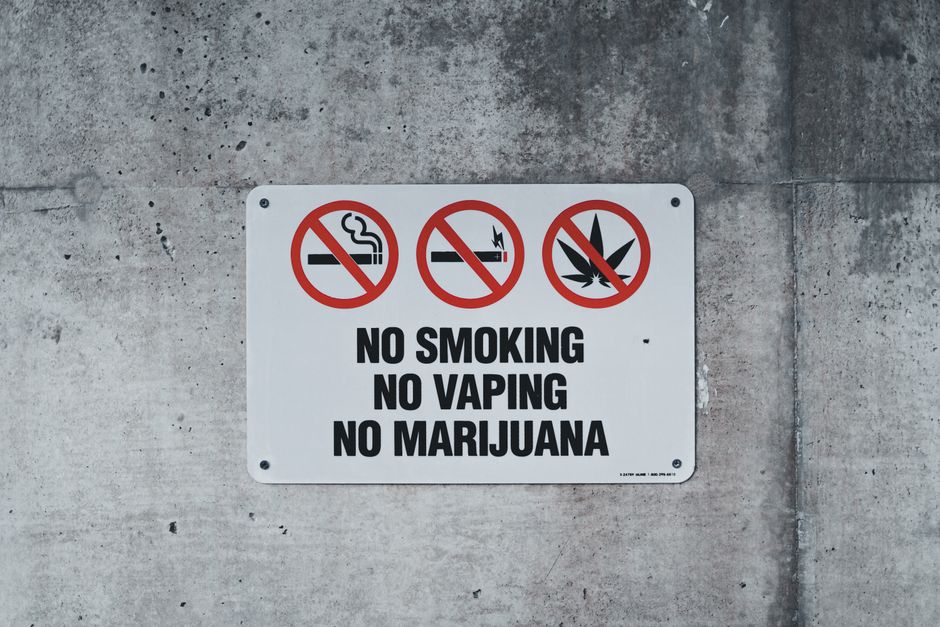
Vaping CBD is not a safe alternative to smoking or to taking CBD by other routes. Inhaling anything into your lungs carries risk, and CBD vape products are poorly regulated in the United States. Some have been found to contain synthetic cannabinoids, heavy metals, or harmful solvents. The known risks of vaping CBD include lung irritation, contamination with dangerous chemicals, and unpredictable dosing. Safer alternatives include oral CBD oils and capsules, though even those carry liver and drug-interaction concerns.
Is CBD Vape Safe? What the Evidence Actually Shows
No. There is no established safety data for inhaling CBD, and no regulatory body has approved a CBD vape product as safe.
The FDA has not approved any CBD product as a vaping ingredient. CBD is only FDA-approved as a prescription oral medication for specific seizure disorders. That approval says nothing about inhaled CBD.
Short-term effects reported by users include cough, throat irritation, and chest tightness. Long-term lung effects of chronic CBD inhalation are unknown because no long-term human studies exist.
One distinction matters here. Nicotine vaping has been studied far more than CBD vaping. Even so, the CDC and public health agencies advise against vaping generally because of EVALI (e-cigarette or vaping product use-associated lung injury), which peaked in 2019 and was linked mostly to vitamin E acetate in THC products. CBD vaping has not been studied at that scale.
What we do know is that heating and inhaling any oil or carrier substance can introduce compounds into the lungs that were never meant to reach lung tissue. That is a physiological concern, not a proven clinical outcome. But it is a real reason for caution.
What Are the Side Effects of Vaping CBD?
Reported side effects cluster into two groups: effects from CBD itself, and effects from what is being inhaled.
From CBD, the most commonly reported side effects across clinical studies include:
- Drowsiness and fatigue
- Dry mouth
- Diarrhea or appetite changes
- Changes in liver enzyme levels
- Possible interaction with other medications
From vaping specifically, users report cough, throat irritation, and shortness of breath. These are symptom reports, not confirmed diagnoses.
There is also the contamination problem. Independent testing by labs and journalists has repeatedly found CBD vape products that did not match their labels. Some contained little or no CBD. Some contained synthetic cannabinoids, which are not CBD and can cause severe reactions. Some contained heavy metals or residual solvents from extraction.
This is the part many people miss: the biggest documented risk of CBD vape is not CBD. It is what else is in the cartridge.
Why Is CBD Vape So Poorly Regulated?
Because in the US, CBD vape products sit in a legal gray zone. The 2018 Farm Bill legalized hemp-derived CBD at the federal level, but it did not create a safety framework for vaping it.
The FDA has issued warning letters to companies making unproven health claims about CBD and has stated that CBD cannot be added to food or marketed as a dietary supplement. It has not established manufacturing standards for CBD vape liquids.
That means there is no required testing for purity, no standard for what carrier substances are used, and no consistent labeling. A product sold as “pure CBD” may or may not contain what the label says.
Some states have added their own rules. Others have not. What you get depends heavily on where you live and who made the product.
Can Vaping CBD Cause Lung Damage?
Direct evidence linking CBD vaping to specific lung disease is limited. But evidence linking vaping generally to lung injury is not.
The CDC documented thousands of EVALI cases in 2019. Most were tied to vitamin E acetate, an additive found mostly in THC vape products. Vitamin E acetate is not typically used in CBD vape liquids, but the broader lesson is that unregulated vape additives can cause serious harm.
CBD vape liquids often use carrier substances like propylene glycol, vegetable glycerin, or medium-chain triglyceride (MCT) oil. Inhaling MCT oil has been associated with lipoid pneumonia in case reports. Propylene glycol and vegetable glycerin produce breakdown products when heated, including formaldehyde and acrolein at high temperatures.
Whether typical CBD vape use produces enough of these compounds to cause harm is not established. What is established is that inhaling heated carrier substances introduces the lungs to chemicals they were not designed to handle.
Anyone with asthma, COPD, or other lung conditions should treat vaping of any kind with particular caution. People who are pregnant or breastfeeding should avoid it entirely.
What Are Safer Alternatives to CBD Vape?
If the goal is to use CBD, non-inhaled routes avoid the lung exposure question entirely. That does not make them risk-free.
Oral CBD oils and tinctures are the most studied forms. The FDA-approved prescription version is oral. Clinical trials of oral CBD have documented liver enzyme elevation, especially at higher doses, and interactions with medications including blood thinners.
Capsules and softgels offer more consistent dosing than oils because each capsule contains a fixed amount. Gummies and edibles are popular but often have inconsistent CBD content and added sugar.
Topical CBD creams and balms are applied to the skin. Systemic absorption is generally low, and side effects are rare. Evidence for topical CBD in specific conditions is limited.
Sublingual tinctures (held under the tongue) are widely marketed as faster-acting. Some users report quicker onset than swallowing, but clinical evidence comparing routes is thin.
| Route | Lung exposure | Dosing consistency | Known concerns |
|---|---|---|---|
| Vape/inhalation | Direct | Poor | Contamination, carrier chemicals, no safety data |
| Oral oil/tincture | None | Moderate | Liver enzymes, drug interactions |
| Capsule | None | Good | Same as oral |
| Topical | None | Variable | Limited systemic absorption |
No clinical guidelines currently exist for CBD dosing in the general adult population. The only established dosing is for the FDA-approved prescription form under medical supervision.
What Should You Know Before Trying CBD at All?
CBD is not inert. It affects liver enzymes that process many common medications, including some blood thinners, seizure medications, and drugs metabolized by the CYP450 system.
Talk to a pharmacist or doctor before combining CBD with any prescription medication. This is especially true for people on blood thinners, immunosuppressants, or medications with narrow safety margins.
CBD can also cause liver enzyme elevations. Anyone with liver disease should be cautious and discuss it with a clinician first.
Product quality varies widely. Third-party lab testing (certificates of analysis) is one way to check what is actually in a product, though it is not a guarantee.
If you are considering CBD for a specific health reason, the honest position is that evidence is strongest for a narrow set of conditions and much weaker for general wellness claims. Many popular uses of CBD have no large human trials behind them.
Frequently Asked Questions
Is vaping CBD bad for your lungs?
Vaping CBD exposes the lungs to heated carrier chemicals and possible contaminants, and no long-term safety data exists for inhaled CBD. Public health agencies advise against vaping generally because of documented lung injury risks.
What are the side effects of CBD vape?
Reported effects include cough, throat irritation, and chest tightness from inhalation, plus drowsiness and dry mouth from CBD itself. Contamination with synthetic cannabinoids or solvents has been documented in some products.
Is CBD vape legal in the US?
Hemp-derived CBD is federally legal, but the FDA has not established safety or manufacturing standards for CBD vape products. State rules vary, and product quality is not guaranteed.
What is the safest way to take CBD?
No CBD route is risk-free, but oral oils, capsules, and topicals avoid lung exposure. Oral CBD carries liver and drug-interaction concerns, so discuss it with a clinician first.
