
Neither castor oil nor jojoba oil is “better” for hair in general — they do different jobs. Castor oil is thick and coats the hair shaft, which can make hair look fuller and feel softer. Jojoba oil is thin, absorbs easily, and closely resembles the natural oils your scalp produces. For most people, jojoba works better as a daily scalp and hair oil, while castor oil is better used sparingly as a heavy conditioning treatment. Neither oil has been shown in clinical trials to make hair grow faster.
What Is Castor Oil, And What Does It Actually Do To Hair?
Castor oil comes from pressing the seeds of the castor plant. It is thick, sticky, and mostly made of a fatty acid called ricinoleic acid. That fatty acid gives castor oil its unusual texture and its strong coating effect.
When you put castor oil on your hair, it forms a film around the hair shaft. This film can smooth the outer layer of the hair, called the cuticle, which makes hair feel softer and look shinier. It also adds weight, which can temporarily make thin hair appear thicker. These effects are real but temporary. They wash out when you shampoo.
A common claim is that castor oil stimulates hair growth because it increases blood flow to the scalp. This idea comes from older animal research and from castor oil’s traditional use as a laxative. No well-designed human trial has shown that applying castor oil to the scalp increases hair growth. The coating effect can help hair look better, but it does not change what happens in the hair follicle.
Castor oil is also a known laxative when swallowed. It should not be taken by mouth for hair purposes. Pregnant women should avoid oral castor oil entirely.
What Is Jojoba Oil, And Why Is It Different?
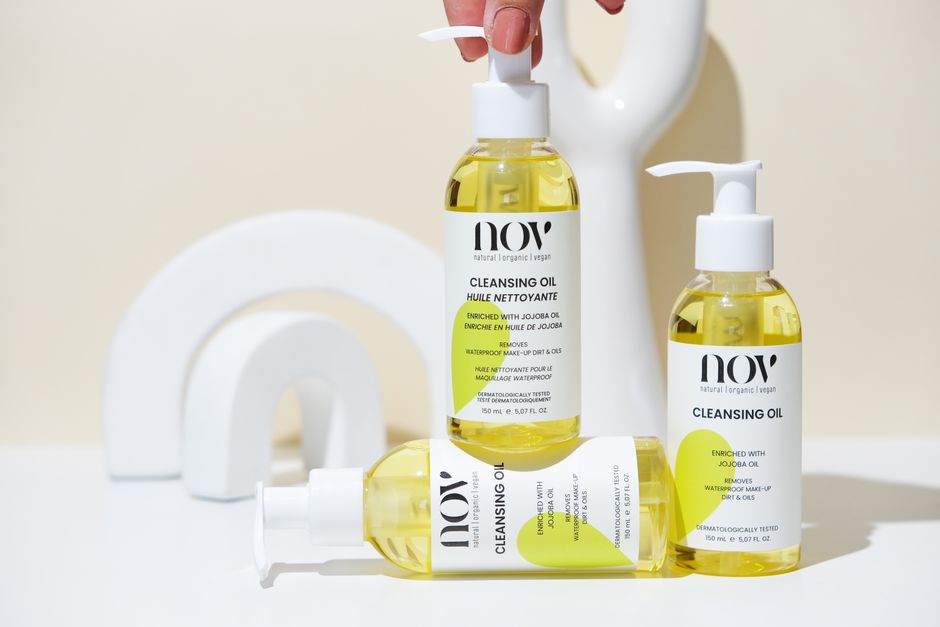
Jojoba oil is technically a liquid wax, not a true oil. It comes from the seeds of the jojoba plant, a shrub native to the American Southwest and Mexico. Its chemical structure is very close to sebum — the oil your scalp naturally produces.
That similarity matters. Because jojoba closely mimics sebum, the skin tends to accept it rather than react against it. It spreads easily, absorbs quickly, and does not leave the heavy residue that castor oil does. It can soften dry scalp flakes and add a light shine without weighing hair down.
Jojoba is also relatively stable. It resists going rancid compared with many plant oils, which is one reason it shows up in so many hair and skin products. It does not clog pores as readily as heavier oils, though no oil is truly non-comedogenic for every person.
Like castor oil, jojoba has not been shown in clinical trials to make hair grow faster. Its value is in conditioning, scalp comfort, and manageability — not in changing the growth cycle of hair.
Is Castor Oil Or Jojoba Oil Better For Hair? How Do They Compare?
The right choice depends on your hair type and what you want the oil to do. Here is how they compare on the qualities that matter most.
| Quality | Castor Oil | Jojoba Oil |
|---|---|---|
| Texture | Thick, sticky, heavy | Thin, light, spreads easily |
| Absorption | Slow; sits on the surface | Fast; absorbs into skin and hair |
| Best for | Heavy conditioning, temporary fullness | Daily scalp care, light conditioning |
| Residue | High; needs thorough washing | Low; rinses out easily |
| Closest to scalp’s natural oil | No | Yes |
| Shown to increase hair growth | No | No |
For fine or thin hair, jojoba is usually the safer pick because it will not weigh hair down. For thick, coarse, or very dry hair, castor oil’s heavy coating can be useful as an occasional deep treatment. People with oily scalps often do better with jojoba, since it blends with sebum instead of sitting on top of it.
Can Either Oil Actually Make Hair Grow?
No clinical evidence currently confirms that castor oil or jojoba oil makes hair grow faster or thicker. This is the single most important fact to understand, because both oils are heavily marketed with growth claims.
Hair growth is controlled by the hair follicle and by hormones, nutrition, and genetics. Oils sit on the surface of the hair and scalp. They cannot reach into the follicle to change its growth cycle. The only topical treatment with strong evidence for regrowing hair in common pattern hair loss is minoxidil, and even that works for some people, not all.
What oils can do is reduce breakage. Dry, brittle hair snaps more easily, and breakage makes hair look thinner over time. A conditioning oil can make hair more flexible and less likely to break, which helps you keep the length you grow. That is a real benefit — but it is not the same as faster growth.
If you are losing hair in patches, shedding heavily, or noticing a receding hairline, see a doctor. Hair loss has many causes, including thyroid problems, iron deficiency, and hormonal changes, and some of these are treatable.
How Should You Use These Oils Safely?
Patch test first. Apply a small amount to the inner forearm and wait 24 hours before using either oil on your scalp or hair. Allergic reactions to castor and jojoba are uncommon but do happen.
For jojoba, a few drops warmed between the palms can be worked through damp hair or massaged into the scalp. It can stay in or be rinsed out. For castor oil, use less than you think you need. It is thick, so a small amount goes a long way. Apply it to the ends or as a pre-shampoo treatment, leave it on for a short time, then wash thoroughly. Leaving heavy castor oil on the scalp for long periods can trap oil and debris, which may worsen scalp irritation for some people.
Avoid getting either oil in your eyes. Keep castor oil away from children, since swallowing it can cause serious illness. If you have a scalp condition like seborrheic dermatitis or psoriasis, ask a dermatologist before applying oils, as some scalp conditions worsen with added oil.
What Else Matters More Than Which Oil You Pick?
How you treat your hair day to day affects its appearance more than the oil you choose. Gentle washing, avoiding tight hairstyles, limiting heat styling, and eating enough protein and iron all support healthier-looking hair.
It also helps to match the oil to your goal. If you want a light daily scalp oil that absorbs cleanly, jojoba is the practical choice. If you want an occasional heavy conditioning treatment for dry, coarse hair, castor oil fits that job. Neither is a growth treatment, and neither will fix hair loss caused by an underlying medical problem.
Be skeptical of any product that promises dramatic hair growth from a single oil. The evidence simply is not there.
Frequently Asked Questions
Is castor oil or jojoba oil better for hair growth?
Neither oil has been shown to increase hair growth in clinical trials. Both can condition hair and reduce breakage, which helps you keep the length you grow.
Can I use castor oil and jojoba oil together?
Yes, some people mix them to get castor oil’s conditioning with jojoba’s lighter texture. Patch test first and use small amounts, since castor oil is heavy.
Which oil is better for an oily scalp?
Jojoba is usually the better choice for an oily scalp because its structure closely resembles the scalp’s natural sebum. Castor oil is thick and can leave heavy residue.
Does castor oil really make hair thicker?
Castor oil can make hair look temporarily fuller by coating the shaft and adding weight. It does not increase the actual thickness or number of hair strands.
