
Plain cardboard can go in the microwave for short reheating, but only if it has no printing, no glue, no wax or plastic coating, and no metal. The microwave itself is not the main danger. The real risks come from what is printed on the box, what it is coated with, and whether it can catch fire.
Most cardboard food packaging is not plain cardboard. Pizza boxes are grease-stained. Takeout containers are often lined. Cereal boxes are printed with inks. Each of those changes the answer. This guide explains which cardboard is safe, which is not, and why the difference matters.
Is Cardboard Microwave Safe?
Yes, plain uncoated cardboard is generally safe for short reheating at normal microwave power. The paper fibers absorb some microwave energy and heat up, but plain cardboard does not melt, and it does not release toxic fumes at the temperatures a microwave produces during a brief reheat.
The safety question is really about what is on the cardboard, not the cardboard itself. A plain brown box with nothing added is a different material, in practical terms, from a printed, glued, or coated food container.
There is one important limitation. Cardboard is not a cooking vessel. It is not designed to hold food at high heat for long periods. It works as a short-term plate or a splatter shield. It does not work as a baking dish.
What Makes Some Cardboard Unsafe in the Microwave?
Five things turn ordinary cardboard into a microwave hazard. Each one is a real, documented risk rather than a theoretical concern.
- Metal — staples, foil liners, metal handles, or metallic ink. Metal reflects microwaves and can create arcing and sparks that start a fire.
- Wax or plastic coating — common on frozen food boxes and some takeout containers. These coatings can melt into your food or release fumes when heated.
- Printing inks — not designed for food contact at heat. Inks can transfer onto food, especially greasy food.
- Glue and adhesives — seams and labels can soften, smoke, or ignite.
- Grease — a grease-soaked pizza box absorbs heat differently and is a genuine fire risk in a microwave.
The grease point deserves attention. A dry cardboard box and a grease-soaked one behave very differently in a microwave. Grease heats fast and can reach temperatures that scorch or ignite the paper. This is why a clean pizza box is a different situation from the bottom of a used one.
Can You Microwave a Pizza Box?
Do not microwave a used pizza box. The cardboard itself is plain enough, but the grease is the problem. Grease-soaked cardboard can overheat, smoke, and in some cases catch fire inside the microwave.
A clean, unused pizza box with no grease and no printing on the food-contact surface is a different case. Even then, it is not designed for microwave use. The safer move is to transfer the pizza to a microwave-safe plate and reheat it there.
If you want to keep a slice from drying out, cover it with a microwave-safe lid or an inverted microwave-safe bowl. That does the same job as a box without the fire risk.
What About Takeout Containers and Frozen Food Boxes?
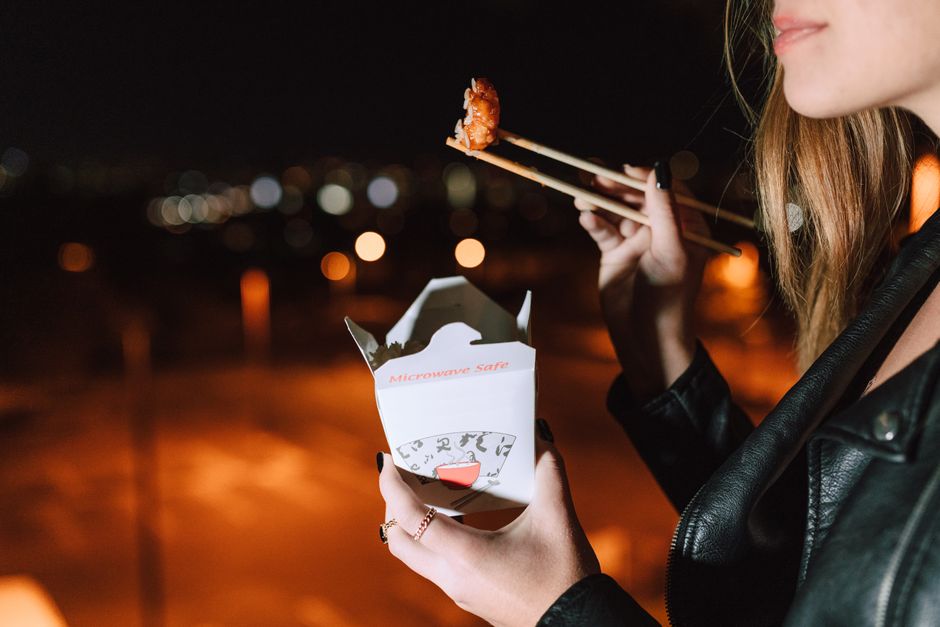
Most takeout containers and frozen food boxes are not plain cardboard. They usually have a coating, a lining, or printing that makes them unsuitable for the microwave unless the package specifically says it is microwave safe.
Frozen food boxes often carry a thin plastic or wax layer to keep moisture in. That layer can melt or release fumes when heated. Some are designed for the oven but not the microwave. The label is the deciding factor, not the appearance of the box.
Takeout containers vary widely. Some paper containers are lined with a coating that is not heat-stable. Others are explicitly made for microwave use. Check the container for a microwave-safe symbol or instruction before heating food in it.
How Can You Tell If Cardboard Is Microwave Safe?
Check the packaging first. A microwave-safe symbol or an instruction to microwave in the container is the clearest signal. If neither appears, treat the cardboard as not microwave safe for food contact.
For plain cardboard with no label, use these checks:
- It is uncoated, with no shiny or waxy surface.
- It has no printing on the side that touches food.
- It has no staples, foil, or metal anywhere.
- It is not greasy or stained.
- It has no glue seams near the food.
If all five are true, short reheating is low risk. If any are false, use a microwave-safe plate instead. That is a small change with a clear safety benefit.
What Happens If You Microwave Unsafe Cardboard?
The most common outcome is a bad smell and food that tastes off. Inks and coatings can transfer onto food, and some coatings release fumes when heated. That is unpleasant but usually not dangerous in a single short exposure.
The serious risk is fire. Metal causes arcing. Grease-soaked cardboard can ignite. Coated cardboard can smolder. Fires inside a microwave are rare but they do happen, and they are the reason the safety rules exist.
If cardboard starts smoking or sparking, stop the microwave immediately and unplug it. Do not open the door until the smoking stops, because opening it can feed oxygen to a fire. If flames appear and do not go out, leave the area and call emergency services.
Is It Safe to Cover Food With Cardboard?
A plain paper towel or plain cardboard sheet can work as a splatter cover for short reheating. It is not a sealed lid, so steam escapes and pressure does not build up. That is actually the safer design for a microwave cover.
Do not use printed cardboard, greasy cardboard, or coated cardboard as a cover. The underside faces your food directly, so anything on that surface can transfer onto what you eat. A clean paper towel is the simpler and more reliable choice.
What Should You Use Instead?
Microwave-safe glass, ceramic, and labeled microwave-safe plastic are the standard choices for reheating food. They are designed to handle heat without transferring chemicals or catching fire.
For quick jobs, a plain paper towel over a microwave-safe plate does everything cardboard does, with fewer variables. It is cheap, it is designed for food contact, and it does not carry ink or coating risks.
Cardboard has a place as a short-term plate or a splatter shield when it is plain and clean. It does not have a place as a cooking vessel. Keeping that distinction clear is the whole safety rule.
Frequently Asked Questions
Can you put cardboard in the microwave?
Plain, uncoated, unprinted cardboard can be microwaved briefly for reheating. Cardboard with ink, glue, wax, plastic coating, grease, or metal should not go in the microwave.
Is it safe to microwave food in a cardboard box?
Only if the box is plain and the packaging says it is microwave safe. Most food boxes are printed or coated and are not designed for microwave use.
Can cardboard catch fire in the microwave?
Yes, grease-soaked cardboard and cardboard with metal can catch fire or cause arcing. Plain dry cardboard is much lower risk but should still only be used briefly.
Can you microwave a pizza box?
No, a used pizza box should not go in the microwave because the grease can overheat and ignite. Move the pizza to a microwave-safe plate instead.
