
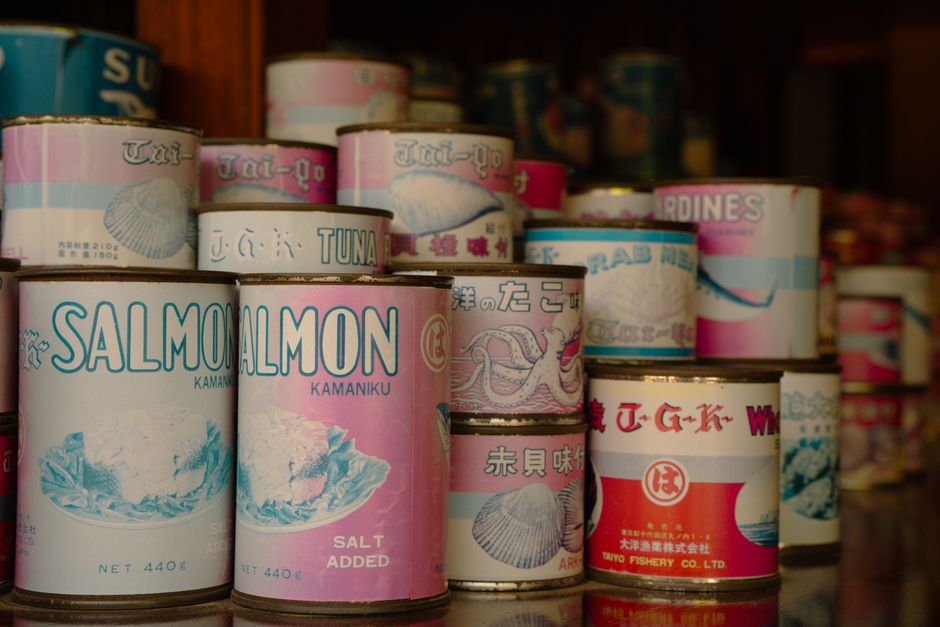
Canned tuna is a staple in many American kitchens. It is cheap, high in protein, and has a long shelf life. For most people, eating canned tuna is perfectly safe and healthy. The real concern is not the tuna itself, but how much of it you eat over time due to mercury content. For the average healthy adult, eating a few cans a week is generally considered safe, but specific groups like pregnant women and young children need to be more careful.
Is Canned Tuna Bad For You?
The short answer is no, not for most people. Canned tuna is a lean source of protein, omega-3 fatty acids, and several important vitamins and minerals. The main health risk comes from methylmercury, a heavy metal that builds up in larger fish over time. Because tuna is a predatory fish, it accumulates more mercury than smaller fish like sardines or salmon.
The key is moderation. The FDA and EPA provide specific advice for different types of tuna because mercury levels vary by species. Light tuna has less mercury than white albacore tuna. Understanding which type you are buying and how often you eat it is the most practical way to manage the risks.
What Is the Actual Mercury Risk?
Mercury is a naturally occurring element released into the air by industrial pollution. It falls into oceans and lakes, where bacteria convert it into methylmercury. Small fish absorb it, and larger fish eat those small fish. Over time, mercury builds up in the predator’s body. This process is called biomagnification.
Tuna sits high on the marine food chain. A large bluefin tuna can live for decades and accumulate significant mercury. However, the tuna used in most cans is smaller. Skipjack tuna, which is usually sold as “light” tuna, is much smaller and has less mercury. Albacore tuna is larger and has roughly three times more mercury than light tuna.
The FDA advises that adults can safely eat one to two servings of light tuna per week. For albacore, or white tuna, the recommendation drops to one serving per week. A standard serving is about 4 ounces, roughly the size of a deck of cards or half a standard can.
Who Should Limit Canned Tuna?
Pregnant women, women who may become pregnant, nursing mothers, and young children face the highest risk from mercury exposure. Methylmercury can cross the placenta and affect a developing baby’s brain and nervous system. The FDA has clear guidelines for these groups:
- Light tuna: up to 2 to 3 servings per week
- White albacore tuna: no more than 1 serving per week
- Children under 6: smaller portions, roughly 1 to 2 ounces, with the same frequency limits
These limits exist because mercury has a long half-life in the human body. It takes about 50 days for your body to eliminate half of the mercury you consume. If you eat tuna frequently, mercury levels can build up over time, even if each individual serving is safe.
For healthy non-pregnant adults, occasional consumption above these limits is unlikely to cause harm. The concern is chronic, repeated exposure over months and years.
Light Tuna vs. Albacore: What Is the Difference?
The type of tuna in the can matters more than the brand. “Light” tuna is usually skipjack, a smaller species with lower mercury levels. “White” tuna is always albacore, a larger species with higher mercury levels. “Solid” or “chunk” refers to the cut of the fish, not the species.
Albacore has a milder flavor and firmer texture that many people prefer. It also contains more omega-3 fatty acids than light tuna. But that nutritional advantage comes with a higher mercury price. If you eat tuna frequently, light tuna is the safer choice.
Some brands sell “gourmet” tuna made from yellowfin or even bluefin. These species have higher mercury levels than skipjack. Check the label carefully. If the can does not specify the species, it is almost always skipjack or a mix of smaller tuna species.
What Are the Nutritional Benefits of Canned Tuna?
Canned tuna is genuinely nutrient-dense. A 4-ounce serving of light tuna packed in water contains about 20 grams of protein and roughly 100 calories. It provides significant amounts of vitamin D, selenium, and B vitamins, particularly B12 and niacin. Selenium is worth noting because it may help counteract some of the toxic effects of mercury, though this interaction is not fully understood.
Omega-3 fatty acids are the main reason nutritionists encourage fish consumption. These fats, specifically EPA and DHA, support heart health, brain function, and reduce inflammation. The American Heart Association recommends eating fish, particularly fatty fish, at least twice a week. Canned tuna is one of the most affordable ways to meet this goal.
However, the omega-3 content varies. Light skipjack tuna has lower omega-3 levels than albacore. Fatty fish like salmon, mackerel, and sardines contain much higher levels. If you rely on canned tuna as your primary fish, you are getting less omega-3 than you might think.
Does the Oil or Water Matter?
How tuna is packed affects its nutritional profile. Tuna packed in water is lower in calories and fat. Tuna packed in oil, particularly olive oil, has more calories but also more fat. The type of oil matters. Soybean oil and other vegetable oils add omega-6 fats, which are pro-inflammatory in excess. Olive oil adds heart-healthy monounsaturated fats.
Many people prefer the taste and texture of oil-packed tuna. If you choose it, draining the oil removes some of the added fat. The tuna itself absorbs some oil, so draining does not remove all of it.
There is no major safety difference between oil and water-packed tuna. The mercury content is the same. The choice comes down to calorie goals and taste preference.
Are There Other Contaminants in Canned Tuna?
Mercury gets the most attention, but it is not the only contaminant found in tuna. Polychlorinated biphenyls, or PCBs, are industrial chemicals banned in the 1970s that persist in the environment. They accumulate in fish fat. Studies have found measurable PCB levels in canned tuna, though generally lower than in larger fatty fish.
Bisphenol A, or BPA, is another concern. BPA is used in the plastic lining of many food cans, including tuna cans. It can leach into the food, especially when the can is heated during processing. Some research suggests BPA exposure may affect hormones, but the FDA currently considers the levels found in canned food safe.
Many major tuna brands now use BPA-free linings. If this concerns you, check the label or the brand’s website. This is one area where consumer demand has driven real change in manufacturing.
How Much Canned Tuna Is Safe Per Week?
For a healthy adult, the practical answer is two to three cans of light tuna per week. If you only eat albacore, limit it to one can per week. These amounts keep mercury exposure below levels associated with any measurable health effects.
Some people eat tuna daily as a primary protein source. This is not recommended. Eating light tuna every day for months can push mercury levels into a range that may cause subtle neurological symptoms like fatigue, memory problems, or tingling in the hands and feet. These symptoms are reversible once intake stops, but they are a sign you have been eating too much.
If you eat other fish during the week, count that toward your total. Eating tuna on Monday and swordfish on Wednesday gives you more mercury than eating tuna twice a week alone. The FDA’s advice covers all fish, not just tuna.
Is Canned Tuna a Sustainable Choice?
Sustainability is a separate issue from personal health, but it matters for long-term food choices. Skipjack tuna populations are generally healthy. Albacore stocks are also considered stable in most regions. Yellowfin and bluefin tuna face more pressure from overfishing.
Look for certifications like the Marine Stewardship Council or “dolphin-safe” labels. These indicate the tuna was caught using methods that reduce bycatch and environmental damage. Pole-and-line caught tuna is generally the most sustainable option, though it costs more.
Frequently Asked Questions
Can I eat canned tuna every day?
Eating light tuna every day is not recommended because mercury can accumulate in your body over time. Limit light tuna to two to three servings per week and albacore to one serving per week.
Is canned tuna good for weight loss?
Canned tuna is high in protein and low in calories, which can help with weight management. Tuna packed in water is the lowest calorie option.
Does canned tuna need to be refrigerated after opening?
Yes, once opened, canned tuna must be refrigerated and eaten within two days. Transfer it to a covered container to maintain quality.
Is canned tuna safe for pregnant women?
Pregnant women can safely eat light tuna but should limit it to two to three servings per week. Albacore tuna should be limited to one serving per week during pregnancy.
