
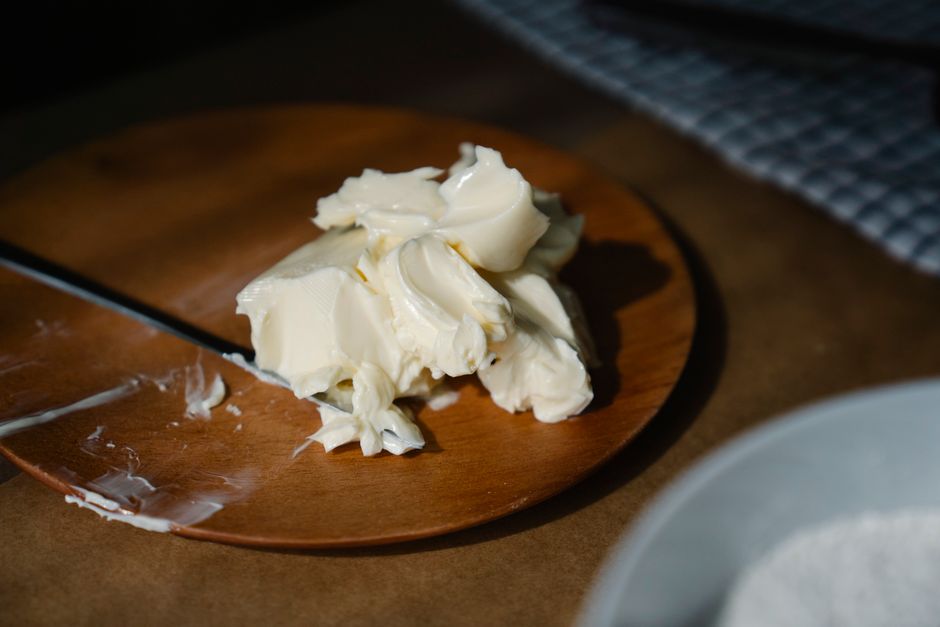
Butter is low FODMAP in normal serving sizes, and so is ghee. The confusion comes from how much you eat and how these fats are processed. FODMAPs are specific types of carbohydrates, and pure fats like butter and ghee contain almost none. The real issue for people with IBS is often the lactose or the total amount of fat in a meal, not the FODMAP content itself.
What Does Low FODMAP Actually Mean?
FODMAP stands for Fermentable Oligosaccharides, Disaccharides, Monosaccharides, And Polyols. These are short-chain carbohydrates that some people cannot absorb well in the small intestine. When they reach the large intestine, gut bacteria ferment them quickly. That fermentation produces gas and draws water into the bowel, which can cause bloating, pain, and diarrhea in people with IBS.
The low FODMAP diet is an elimination approach. You remove high-FODMAP foods for a few weeks, then slowly add them back to find your personal triggers. It is not a forever diet. It is a diagnostic tool used under the guidance of a dietitian or doctor.
Butter and ghee are almost entirely fat. They contain trace amounts of milk protein and milk sugar, but the carbohydrate content is negligible. Because FODMAPs are carbohydrates, butter and ghee are naturally very low in FODMAPs.
Is Butter Low FODMAP or Is It the Lactose?
Butter is low FODMAP, but it is not lactose-free. A standard serving of butter is about one tablespoon, or 14 grams. That serving contains less than 0.1 grams of lactose. For most people with lactose sensitivity, that amount is too small to cause symptoms.
The Monash University app, which is the primary research source for FODMAP content, lists butter as low FODMAP. It also lists ghee as low FODMAP. These are considered safe during the elimination phase of the diet.
However, some people react to butter even when it is low FODMAP. This is usually not a FODMAP reaction. It is often a reaction to the milk proteins, casein, and whey, which remain in butter in small amounts. People with a true milk protein allergy, not lactose intolerance, may still have symptoms from butter.
What Is Ghee and Is It Different From Butter?
Ghee is clarified butter. It is made by heating butter slowly to evaporate the water and separate the milk solids from the pure butterfat. The milk solids are then strained out. What remains is a golden, nutty-tasting fat that is almost 100 percent pure fat.
The key difference for digestion is that ghee has had most of its lactose and milk proteins removed. The straining process leaves behind only trace amounts. For this reason, ghee is often better tolerated than butter by people who are sensitive to dairy.
In terms of FODMAPs, both butter and ghee are low. Ghee is not lower in FODMAPs than butter because butter is already essentially zero. Ghee is lower in lactose and casein, which matters for a different set of digestive issues.



How Much Butter or Ghee Is Safe on a Low FODMAP Diet?
There is no standard upper limit for butter or ghee on the low FODMAP diet. Monash University has tested these foods and found no FODMAP threshold that triggers symptoms at normal serving sizes. The concern is not the FODMAPs; it is the fat content.
Fat does not contain FODMAPs, but it can stimulate the gut. In some people with IBS, a high-fat meal can trigger a gastrocolic reflex. This is the normal response where eating stimulates the colon to contract. In people with IBS, this reflex can be exaggerated, causing cramping or an urgent need to use the bathroom.
So while butter and ghee are low FODMAP, eating a large amount in one sitting can still cause digestive symptoms. The trigger is the fat load, not the FODMAP content. This is a separate mechanism that the low FODMAP diet does not address.
What About Cooking With Butter and Ghee?
Ghee has a higher smoke point than butter. It can be heated to about 485 degrees Fahrenheit before it starts to smoke and break down. Butter has a smoke point around 350 degrees Fahrenheit. For high-heat cooking like searing or roasting, ghee is the better choice because it is less likely to burn.
When butter burns, it does not become high FODMAP. The chemical changes from heating do not create FODMAPs. Burnt butter can taste bitter and may produce compounds that are irritating to the gut, but this is not a FODMAP issue.
For low-heat cooking like sautéing vegetables or scrambling eggs, butter works fine. For frying or roasting at high temperatures, ghee is more stable. Both are acceptable on a low FODMAP diet. The choice comes down to cooking method and personal tolerance to dairy proteins.
Is Butter Low FODMAP Facts On Fat Ghee Cooking Different for IBS Sufferers?
The answer to “Is Butter Low FODMAP Facts On Fat Ghee Cooking” depends on the individual, not the food. Butter and ghee are both low FODMAP. But IBS is not one condition with one trigger. Some people with IBS tolerate fats well. Others find that any fatty food, regardless of FODMAP content, causes symptoms.
If you are in the elimination phase of the low FODMAP diet, you can include butter and ghee without worrying about FODMAPs. If you notice symptoms after eating them, look at the amount you ate and what else was in the meal. A heavy cream sauce or a deep-fried food will affect the gut differently than a teaspoon of butter on a baked potato.
There is also a difference between how butter and ghee are digested. Ghee is almost entirely short and medium-chain fatty acids. These are absorbed directly into the bloodstream and do not require bile salts for digestion. Butter contains more long-chain fatty acids, which require bile from the gallbladder. People who have had their gallbladder removed sometimes tolerate ghee better than butter for this reason.
Are There Other Low FODMAP Fats and Oils?
Most pure fats are low FODMAP. Olive oil, coconut oil, avocado oil, and canola oil all contain no carbohydrates and therefore no FODMAPs. The same applies to animal fats like lard and tallow.
The issue arises with flavored or infused oils. Garlic-infused olive oil is a common workaround for the low FODMAP diet because the garlic flavor comes from fat-soluble compounds, not the water-soluble FODMAPs. However, you must check the label. Some commercial garlic oils contain actual garlic pieces, which are high in FODMAPs.
Margarine and butter spreads are a different story. Many contain added milk solids, onion powder, garlic powder, or other high-FODMAP ingredients. Always read the ingredient list. A simple butter or ghee is almost always the safer choice.
Practical Tips for Using Butter and Ghee on a Low FODMAP Diet
- Use one tablespoon of butter or ghee as a standard serving. This is enough for most cooking and spreading needs.
- If you are sensitive to dairy proteins, choose ghee over butter. The milk solids have been removed.
- Do not use butter or ghee as a replacement for a balanced meal. They are calorie-dense and provide no protein or fiber.
- When eating out, ask if dishes are cooked in butter or oil. Many restaurants use butter on steaks and vegetables.
- If you have gallbladder issues or have had gallbladder surgery, start with ghee and see how you tolerate it.
Keep a food diary during the elimination phase. Write down what you ate, how much, and any symptoms. This is the only way to know if your body reacts to butter, ghee, or neither. The low FODMAP diet is not a one-size-fits-all plan.
Common Myths About Butter and IBS
One common myth is that all dairy is high FODMAP because of lactose. This is false. Hard cheeses like cheddar and parmesan are low FODMAP because most of the lactose is drained off during production. Butter and ghee are also low FODMAP for the same reason. The lactose content is minimal.
Another myth is that cooking with ghee makes a dish healthier than cooking with butter. Ghee is not healthier in a nutritional sense. It has the same calorie and fat content as butter. Ghee has a higher smoke point, which means it produces fewer harmful compounds when heated to high temperatures. But it is not a health food. It is simply a cooking fat.
A third myth is that a low FODMAP diet is a low-fat diet. These are unrelated. The low FODMAP diet restricts specific carbohydrates, not fats. You can eat a high-fat, low-FODMAP diet, though doing so may still trigger symptoms through the gastrocolic reflex. The diet is about FODMAPs, not fat grams.
When to See a Professional
If you suspect FODMAPs are causing your digestive symptoms, do not start the elimination diet on your own. The low FODMAP diet is restrictive and can lead to nutrient deficiencies if followed incorrectly. A registered dietitian who specializes in digestive health can guide you through the process and help you identify your specific triggers.
If you have unintentional weight loss, blood in your stool, or severe abdominal pain, see a doctor before changing your diet. These symptoms can indicate conditions that require medical evaluation. The low FODMAP diet is not a substitute for a proper diagnosis.
Butter and ghee are safe for most people on a low FODMAP diet. They are not the hidden culprits behind unexplained IBS symptoms. If you react to them, the cause is likely fat sensitivity or dairy protein intolerance, not FODMAP content. Knowing the difference can save you from unnecessarily cutting out foods that are not causing your problems.
Frequently Asked Questions
Can I eat butter every day on a low FODMAP diet?
Yes, butter is low FODMAP and can be eaten daily in normal serving sizes like one tablespoon. Watch your total fat intake for the day, since large amounts of fat can trigger IBS symptoms through a different mechanism.
Is ghee easier to digest than butter?
Ghee is often easier to digest because the milk solids, including lactose and casein, are removed during clarification. People with dairy protein sensitivity or gallbladder issues may tolerate ghee better than butter.
Does cooking destroy FODMAPs in butter?
No, cooking does not destroy FODMAPs because butter contains essentially no FODMAPs to begin with. Heating butter changes its chemical structure but does not create or destroy fermentable carbohydrates.
Why do I get bloated after eating butter if it is low FODMAP?
Bloating after butter is likely from the fat content stimulating your gut, not from FODMAPs. Some people with IBS have a sensitive gastrocolic reflex that reacts to any fatty food, regardless of its FODMAP status.
