
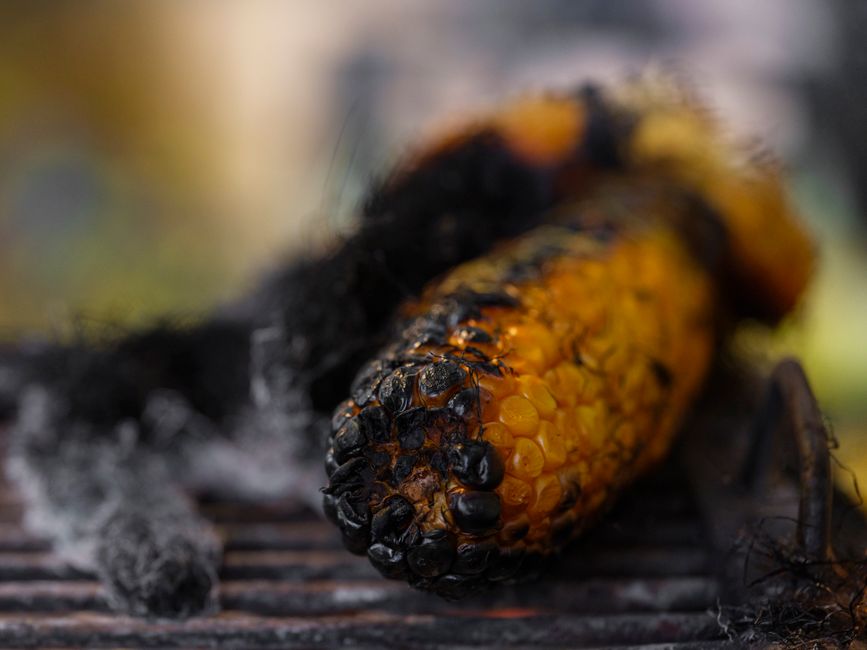
You have probably heard that eating burnt toast, charred meat, or crispy potatoes can cause cancer. The claim is common, but the reality is more specific than the warning. Burnt food contains certain compounds that are classified as carcinogens, meaning they can cause cancer in humans. However, the risk depends on the type of food, the cooking method, and how often you eat it. The simple answer is yes, some burnt foods contain substances linked to cancer, but occasional exposure is not the same as a guaranteed diagnosis.
What Actually Changes When Food Burns?
Burning food is a chemical reaction. When sugars, proteins, and fats are heated to high temperatures, they break down and form new compounds. Two groups of these compounds are the main concern: acrylamide and heterocyclic amines (HCAs). A third group, polycyclic aromatic hydrocarbons (PAHs), forms when fat drips onto hot surfaces or flames.
These compounds are not present in raw food. They are created by the cooking process itself. The darker the char, the higher the concentration of these substances tends to be. A lightly toasted piece of bread has less acrylamide than a deeply burnt slice.
Is Burnt Food Carcinogenic According to Research?
Research consistently shows that acrylamide, HCAs, and PAHs are carcinogenic in animal studies. The International Agency for Research on Cancer (IARC), part of the World Health Organization, classifies them as probable or possible human carcinogens. This does not mean that eating burnt food guarantees cancer. It means these compounds have the ability to damage DNA and promote tumor formation under certain conditions.
The evidence in humans is less direct. Studies on human diets and cancer rates show associations, but they cannot prove cause and effect. People who eat large amounts of charred meat over many years appear to have higher rates of certain cancers, particularly colorectal, pancreatic, and prostate cancer. But diet is complex, and other lifestyle factors are often involved.
Some research suggests that acrylamide intake from food is lower than the levels that caused cancer in lab animals. The difference matters. A single burnt meal is unlikely to be a major health threat. The concern is cumulative exposure over years or decades.
How Much Burnt Food Is Too Much?
There is no established safe threshold for these compounds. Regulatory agencies like the FDA and the European Food Safety Authority acknowledge the risk but have not set a specific limit for human consumption. This is because the data does not support a clear cutoff point.
What is known is that dose and frequency matter. Eating a few burnt edges on a steak once a month is very different from eating heavily charred meat several times a week. The same logic applies to toast, roasted vegetables, and coffee beans. Occasional exposure is likely low risk. Regular, high consumption of heavily charred foods is where concern is justified.
No clinical guidelines exist for how much burnt food is safe. The honest position is that the less char you eat, the lower your exposure. But you do not need to panic over a single burnt meal.




Acrylamide in Toast, Potatoes, and Coffee
Acrylamide forms when starchy foods are cooked at high temperatures. This includes baking, roasting, frying, and toasting. The Maillard reaction, which gives browned food its flavor and color, is the same process that creates acrylamide.
Potato products like french fries and potato chips tend to have higher acrylamide levels than bread. This is because potatoes contain more of the amino acid asparagine, which reacts with sugars during cooking. Coffee beans also produce acrylamide during roasting. A cup of coffee contains a small amount, but it is far below the levels found in a serving of very dark fries.
Boiling and steaming do not produce significant acrylamide. These methods keep temperatures below the point where the compound forms. If you want to reduce acrylamide, choose moist cooking methods for starchy foods.
Heterocyclic Amines and Polycyclic Aromatic Hydrocarbons in Meat
HCAs form when muscle meat — beef, pork, poultry, and fish — is cooked at high temperatures. Grilling, pan-frying, and broiling all produce HCAs. The longer the meat cooks and the higher the heat, the more HCAs form. Well-done and charred meat has the highest levels.
PAHs form when fat and juices from meat drip onto a hot surface or open flame. The resulting smoke carries PAHs up onto the meat. This is why grilled meat often has higher PAH levels than meat cooked in a pan. The smoke is the problem, not just the char.
The evidence linking high intake of well-done or charred meat to cancer is stronger than the evidence for acrylamide. Studies have found that people who prefer heavily browned or charred meat have higher rates of colorectal and pancreatic cancer. The American Cancer Society advises limiting charred and smoked meats as part of a cancer-prevention diet.
Does Burning Vegetables Create the Same Risk?
Burning vegetables does create acrylamide, just like burning bread or potatoes. The risk is not zero. But vegetables do not contain the same precursors for HCAs and PAHs. These compounds require animal muscle tissue and fat to form in significant amounts.
That means a burnt bell pepper or onion is a lower concern than a burnt steak. The vegetable may still contain acrylamide, but it lacks the other carcinogenic compounds found in charred meat. Also, vegetables provide fiber, vitamins, and antioxidants that may offset some of the damage. This is not a license to burn every vegetable, but it is a reason to prioritize reducing char on meat over vegetables.
Practical Ways to Reduce Carcinogens When Cooking
You do not need to give up grilling or toasting. Simple adjustments can reduce the formation of these compounds without ruining flavor.
- Do not char meat. Cook until done, but avoid blackened or deeply browned surfaces.
- Trim fat before grilling. Less dripping fat means less smoke and fewer PAHs.
- Use marinades. Some studies suggest that acidic marinades with vinegar, lemon juice, or herbs reduce HCA formation.
- Flip meat frequently. Flipping every minute reduces HCAs compared to flipping once.
- Toast bread to light brown. Aim for golden rather than dark brown. The darker the toast, the more acrylamide.
- Soak potato slices before frying. Soaking raw potatoes in water for 15-30 minutes reduces acrylamide formation during frying.
- Cook at lower temperatures. Slow roasting or baking at moderate heat produces fewer carcinogens than high-heat grilling.
- Do not eat the burnt parts. Cutting off charred edges removes most of the carcinogens.
These steps reduce exposure but do not eliminate it. The goal is lower risk, not perfection.
Who Is Most at Risk From Burnt Food?
People who eat charred food frequently are at higher risk. This includes those who grill meat several times a week, especially if they prefer well-done or blackened meat. People with a family history of colorectal cancer may also want to be more careful.
Genetics play a role in how the body processes these compounds. Some people have enzymes that activate carcinogens more efficiently, making them more susceptible. There is no simple test for this, so the practical advice is the same for everyone: limit charred food.
Children are a separate concern. Their bodies are still developing, and they have more years of potential exposure. The European Food Safety Authority has specifically noted that children and adolescents tend to have higher acrylamide intake per body weight than adults. This is because they eat more food relative to their size, and they often consume more processed starchy snacks.
Does Boiling or Steaming Eliminate All Risk?
Boiling and steaming do not produce acrylamide, HCAs, or PAHs. The temperatures stay too low. Poached chicken, steamed vegetables, and boiled potatoes do not carry the same carcinogen load as their roasted or fried versions.
This does not mean all boiled food is automatically healthy. The cooking method is only one factor. But if you are specifically worried about burnt food, moist-heat methods are the safest choice.
Frequently Asked Questions
Is eating burnt toast bad for you?
Burnt toast contains acrylamide, a probable human carcinogen. Eating it occasionally is low risk, but regularly eating darkly toasted bread increases your exposure unnecessarily.
Can you scrape off the burnt part of food to make it safe?
Scraping or cutting off burnt areas removes most of the carcinogens. The charred surface holds the highest concentration of these compounds, so removing it significantly reduces your exposure.
Are grilled vegetables as risky as grilled meat?
No. Grilled vegetables may form acrylamide, but they do not form significant amounts of HCAs or PAHs. Charred meat carries a higher cancer risk than charred vegetables.
Does marinating meat before grilling reduce cancer risk?
Some studies suggest that acidic marinades reduce HCA formation. The evidence is not definitive, but using vinegar, lemon, or herb-based marinades is a reasonable step to lower carcinogen production.
