
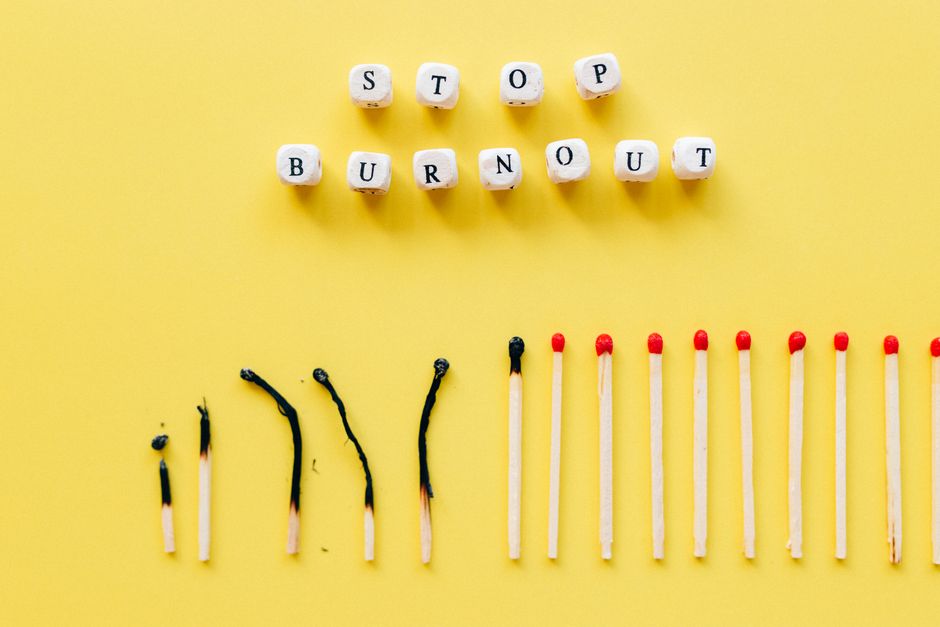
Burnout is not a mental health condition or a medical diagnosis. It is classified by the World Health Organization as an occupational phenomenon, not a disease. This means it is a work-related issue that can affect your health, but it is not considered a mental illness like depression or anxiety.
Is Burnout A Mental Health Issue How Its Classified?
The most widely used classification comes from the World Health Organization (WHO). The WHO includes burnout in the International Classification of Diseases (ICD-11) under “factors influencing health status.” This category is for things that affect health but are not illnesses themselves.
Burnout is described specifically as an occupational phenomenon. The classification states it results from chronic workplace stress that has not been successfully managed. The definition is tied to work. It is not classified as a medical condition that applies to other areas of life.
This distinction matters for practical reasons. Because burnout is not a disease, it does not have standard medical codes in the same way depression or anxiety do. It may not qualify for the same insurance coverage or disability benefits. However, the symptoms are real and can seriously affect your daily function.
What Are The Three Main Signs Of Burnout?
The WHO identifies three dimensions of burnout. These are the core features used to understand and recognize the condition.
- Feelings of energy depletion or exhaustion. This is more than feeling tired. It is a deep physical and emotional fatigue that does not improve with rest.
- Increased mental distance from your job. This often shows up as cynicism or negativity toward work. You may feel detached from your tasks or the people you work with.
- Reduced professional efficacy. You may feel ineffective at work. Tasks that used to be easy may feel difficult, and you may doubt your ability to get things done.
These three signs are the standard framework. If you recognize all three in yourself, it is worth taking seriously.
How Is Burnout Different From Depression?
Burnout and depression share many symptoms. Exhaustion, low motivation, and difficulty concentrating occur in both. Because of this overlap, the two are often confused.
There is a key difference. Burnout is specific to work and work-related stress. Depression affects every part of your life. A person with burnout may feel fine on vacation or when away from work. A person with depression usually experiences low mood, loss of interest, and fatigue across all settings, including activities they once enjoyed.
Depression is a diagnosable mental health condition. It has clear clinical criteria and established treatments. Burnout is not a diagnosis. It is a response to prolonged workplace stress.
There is also a difference in how the two respond to rest. Rest and time away from work often improve burnout symptoms. Rest alone typically does not resolve depression. If you take a week off and feel significantly better, the issue is more likely burnout. If the low mood and exhaustion persist regardless of setting, depression may be involved.
Some research suggests burnout can lead to depression over time. The relationship is complex. If you are unsure which one you are experiencing, speaking with a healthcare provider is the safest step.





What Causes Burnout To Develop?
Burnout does not come from being lazy or weak. It develops from a mismatch between a person and their work environment. Research has identified specific workplace factors that contribute to burnout.
Six main areas are commonly cited in the research literature:
- Workload. When demands consistently exceed what a person can manage, exhaustion builds.
- Control. Having little say over how you do your work increases stress.
- Reward. Insufficient recognition or pay for the effort you give can fuel burnout.
- Community. Poor relationships with coworkers or supervisors add to strain.
- Fairness. Perceived unfair treatment or favoritism at work erodes motivation.
- Values. When your personal values conflict with how the organization operates, distress grows.
These factors are not just opinions. They come from established research on occupational stress. When several of these areas are chronically problematic, burnout becomes more likely.
Individual traits also play a role. Perfectionism and a tendency to overcommit can increase vulnerability. But the research is clear that burnout is primarily an environmental problem, not a personal failing.
Can Burnout Be Treated Or Prevented?
Because burnout is tied to workplace stress, effective prevention and treatment focus on changing the work environment. Individual coping strategies alone are often not enough.
At the individual level, some practices can help manage symptoms. Regular physical activity, adequate sleep, and time away from work can reduce exhaustion. Setting boundaries around work hours and email use may help some people. These strategies can provide relief, but they do not fix the underlying problem if the work environment remains unchanged.
At the organizational level, change is more effective. Reducing unreasonable workloads, giving employees more control over their schedules, and improving recognition are proven directions. Open communication between staff and management about workload issues is also important.
Some employers offer employee assistance programs that provide counseling. Cognitive behavioral therapy has been studied as a treatment for burnout. Some evidence suggests it can help reduce symptoms. However, if a person returns to the same toxic work environment, the benefits may not last.
The most honest summary is this: individual strategies can help you cope, but lasting improvement usually requires changes at work.
When Should You Seek Professional Help?
You should consider speaking with a healthcare provider if burnout symptoms are affecting your sleep, mood, or ability to function. This is especially important if you are not sure whether you have burnout or depression.
A primary care doctor can screen for depression and other conditions. They can also refer you to a mental health professional if needed. Many people benefit from talking to a therapist even when they do not meet the criteria for a mental health diagnosis.
There are also warning signs that you should not ignore. If you have thoughts of self-harm or suicide, seek help immediately. You can call or text 988 in the United States to reach the Suicide and Crisis Lifeline. This is a free and confidential resource available 24 hours a day.
Taking burnout seriously is not an overreaction. Chronic stress has real physical effects on the body. It is linked to increased risk of cardiovascular disease and other health problems. Seeking help early is a reasonable and responsible step.
Frequently Asked Questions
Is burnout considered a mental illness?
No, burnout is not classified as a mental illness. The World Health Organization classifies it as an occupational phenomenon resulting from chronic workplace stress.
Can you get a medical diagnosis for burnout?
Burnout itself is not a medical diagnosis. A doctor can assess your symptoms and rule out conditions like depression or anxiety, which are diagnosable.
Does burnout go away with rest?
Rest often improves burnout symptoms, but it may not resolve the condition if you return to the same stressful work environment. Lasting improvement usually requires changes at work.
Is burnout the same as being tired from work?
No, burnout is more severe than ordinary tiredness. It involves exhaustion, cynicism toward work, and reduced effectiveness that persist over time.
