
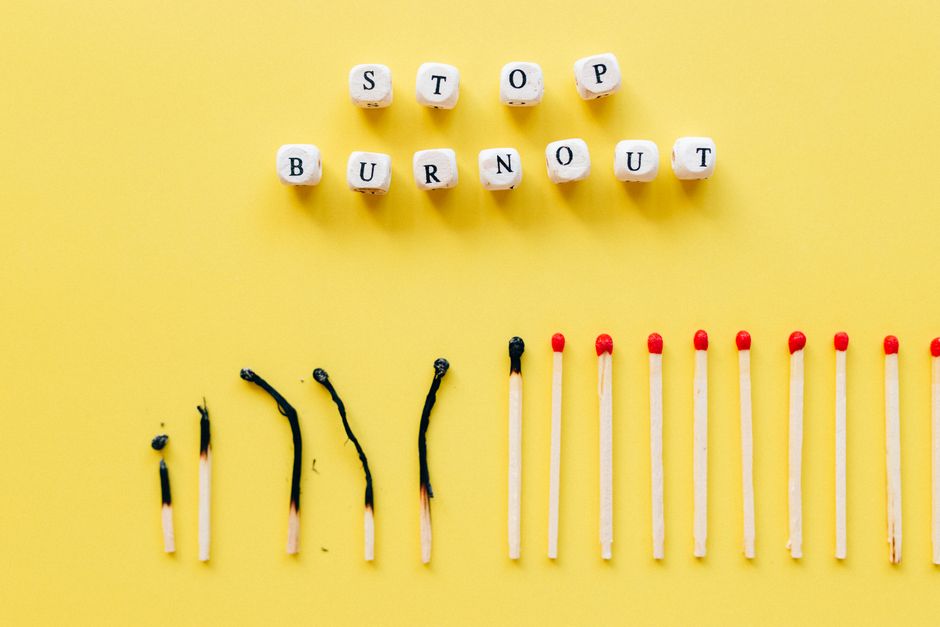
Burnout is not a recognized disability diagnosis in the United States. It is not listed in the Diagnostic and Statistical Manual of Mental Disorders (DSM-5), which is the reference clinicians use for psychiatric diagnoses. It is also not a standalone medical condition in the International Classification of Diseases used for US billing, though the World Health Organization does classify burnout as an occupational phenomenon — not a disease — in its international classification system.
That distinction matters for anyone hoping to claim disability benefits. The Social Security Administration does not pay benefits for burnout by name. But the symptoms burnout produces — severe depression, anxiety, insomnia — can qualify if they meet the agency’s strict medical criteria. The path exists, but it runs through a recognized condition, not through burnout itself.
Is Burnout A Disability Diagnosis Under US Law?
No. Burnout has no legal standing as a disability in federal law. The Americans with Disabilities Act protects people with impairments that substantially limit major life activities. Burnout alone does not meet that bar because it is not a diagnosed medical or psychiatric condition in US clinical practice.
The World Health Organization’s position is often misreported. The WHO includes burnout in its International Classification of Diseases as an “occupational phenomenon” — a factor influencing health status, not a disease. The WHO has been explicit that burnout refers specifically to phenomena in the occupational context and should not be applied to describe experiences in other areas of life. It also states burnout is not classified as a medical condition.
What this means practically: you cannot file for Social Security disability with burnout as the listed impairment. You cannot ask a doctor for a burnout diagnosis code in the way you would for major depression. And an employer cannot be required to accommodate “burnout” as a disability in itself.
This is not a technicality. The distinction shapes what help is available and how you access it.
How Is Burnout Defined And Measured?
Burnout is typically described through three dimensions: emotional exhaustion, increased mental distance or cynicism toward one’s job, and reduced professional efficacy. This framework comes from research on occupational stress and is widely used in workplace studies.
It is measured with questionnaires, most commonly the Maslach Burnout Inventory. These tools assess how a person experiences work-related stress. They are not diagnostic tests in the medical sense. A high score on a burnout inventory does not establish a disease.
Here is a point that gets lost in most coverage: burnout and depression overlap heavily but are not the same thing. Research has found that the exhaustion dimension of burnout correlates strongly with depressive symptoms, while the cynicism and efficacy dimensions are more distinct. The practical implication is that someone who appears “burned out” may actually have clinical depression — which changes both the treatment and the disability picture entirely.
That overlap is why clinicians generally assess for depression and anxiety when someone presents with burnout symptoms, rather than treating burnout as a self-contained problem.
Can You Get Disability Benefits For Burnout Symptoms?
You can receive disability benefits for conditions that burnout often accompanies — but not for burnout itself. The Social Security Administration evaluates claims based on specific listed impairments and functional capacity, not on occupational stress labels.
The conditions most likely to qualify are ones a clinician can diagnose and document:
- Major depressive disorder — with documented severity, duration, and functional impact
- Generalized anxiety disorder or panic disorder — when symptoms significantly limit daily functioning
- Post-traumatic stress disorder — in cases tied to workplace trauma
- Other qualifying conditions — such as bipolar disorder or chronic insomnia with clear medical documentation
The Social Security Administration’s disability standard is strict. For adults, it generally requires the inability to engage in substantial gainful activity because of a medically determinable impairment expected to last at least 12 months or result in death. The agency publishes a list of impairments, and mental health conditions have specific criteria involving the severity of symptoms and limitations in areas like understanding, concentrating, interacting with others, and adapting.
Meeting those criteria is not automatic even with a serious diagnosis. Many claims are denied at the initial stage and succeed only on appeal. Anyone considering this route should understand that the process is long and documentation-heavy. A disability attorney or advocate is often involved.
For employer-based accommodations, the picture is different. A person with a diagnosed condition like depression or anxiety may be entitled to reasonable accommodations under the Americans with Disabilities Act if the condition substantially limits a major life activity. Burnout alone would not trigger that protection.
What Are The Warning Signs Of Burnout?
Burnout develops gradually and shows up across several areas of life. Recognizing the pattern early matters because the longer it runs, the more it can blur into a diagnosable mood or anxiety disorder.
Common signs include:
- Feeling drained or exhausted most days, even after rest
- Growing cynicism or detachment from work and colleagues
- Feeling ineffective or like nothing you do matters
- Sleep problems that do not resolve with better habits
- Irritability, low mood, or loss of interest in things you used to enjoy
- Physical symptoms like headaches, digestive problems, or frequent illness
None of these signs is specific to burnout. Each can also signal depression, an anxiety disorder, a thyroid problem, sleep apnea, or another medical condition. That is not a reason to dismiss them — it is a reason to have them evaluated rather than self-diagnose.
If symptoms persist for weeks and interfere with work or relationships, a medical evaluation is the sensible next step. A clinician can sort out whether this is a stress reaction, a mood disorder, or something else entirely.
What Help Exists If Burnout Is Not A Disability?
Help exists, but it comes through different channels than disability benefits. Because burnout is framed as a workplace phenomenon, many of the most effective responses target the work environment rather than the individual alone.
Research on burnout interventions suggests that organizational changes — adjusting workload, increasing control over how work is done, improving supervision and support — tend to be more effective than individual-focused approaches like relaxation training alone. Some studies suggest combining both is most useful. The evidence on any single intervention is mixed, and no approach works for everyone.
On the individual side, several things are worth knowing:
- If you have symptoms of depression or anxiety, treating those directly is the priority. Therapy and, when appropriate, medication have the strongest evidence base for mood and anxiety disorders.
- Talk to a primary care clinician about persistent exhaustion. Rule out medical causes like thyroid dysfunction, anemia, or sleep disorders before assuming the cause is work stress.
- Ask about employee assistance programs or workplace accommodations if a diagnosed condition is affecting your ability to work.
- Some employers offer flexible scheduling, workload adjustments, or leave options. These vary widely and are not guaranteed.
One clarification worth making: taking time off can help someone recover from acute exhaustion, but rest alone does not resolve burnout if the underlying work conditions stay the same. The problem tends to return when the person goes back to the same situation. That is a consistent finding in occupational health research, not a matter of willpower.
Is Burnout A Disability Diagnosis Law And Benefits? What To Know Before You File
The most important thing to understand before pursuing disability is that the claim must rest on a diagnosed condition, not on burnout. A clinician needs to document the diagnosis, the severity of symptoms, the functional limitations, and the expected duration. Records from treatment — therapy notes, medication history, hospitalizations if any — carry weight.
Self-reported stress or a burnout questionnaire score will not support a disability claim. The Social Security Administration requires objective medical evidence of an impairment. This is why the overlap between burnout and depression matters so much: the depression, if present and documented, is the qualifying condition.
It is also worth being realistic about outcomes. Mental health claims for Social Security disability have approval rates that vary by condition and by the strength of documentation. Many are denied initially. Anyone with a serious, documented condition should not assume the first denial is final — but should also not assume approval is likely without strong evidence.
If you are unsure whether your situation qualifies, the honest answer is that only a qualified professional reviewing your actual medical records can say. No article, quiz, or online tool can determine disability eligibility.
Frequently Asked Questions
Is burnout considered a disability in the US?
No. Burnout is not a recognized medical or psychiatric diagnosis in the United States, so it does not qualify as a disability on its own. The World Health Organization classifies it as an occupational phenomenon, not a disease.
Can I get Social Security disability for burnout?
Not for burnout by name. The Social Security Administration only pays for medically determinable impairments, so a claim must rest on a diagnosed condition such as major depression or an anxiety disorder that meets the agency’s criteria.
Does the WHO classify burnout as a disease?
No. The WHO lists burnout in its international classification as an occupational phenomenon — a factor influencing health status — and states it is not classified as a medical condition.
Can I get workplace accommodations for burnout?
Only if you have a diagnosed condition that substantially limits a major life activity under the Americans with Disabilities Act. Burnout alone does not trigger accommodation rights, but a documented condition like depression or anxiety may.
