
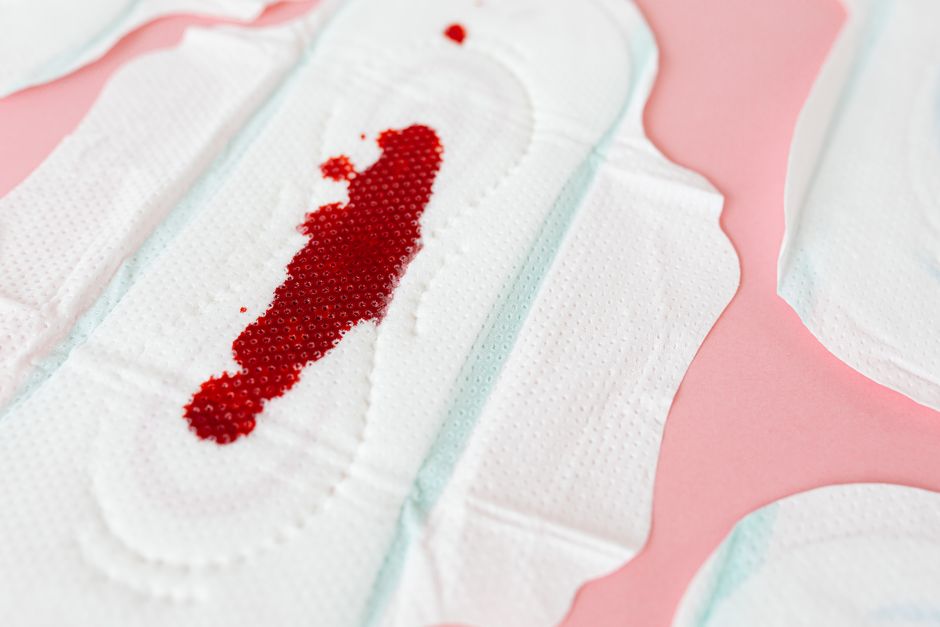
Seeing brown spots on your underwear during pregnancy can be alarming. Brown spotting during pregnancy is common, and in many cases it is not a sign of a problem. The brown color usually means the blood is older and has taken longer to leave the body. That said, spotting can sometimes signal a complication, so it should always be checked by a doctor or midwife rather than ignored.
Is Brown Spotting During Pregnancy Normal?
Brown spotting is normal in some situations and a warning sign in others. The color itself is not the deciding factor. What matters is when it happens, how much there is, and whether you have other symptoms.
Brown discharge happens because blood that leaves the body slowly turns from red to brown as it is exposed to oxygen. This is the same reason a small cut scabs over. So brown spotting is often just a sign that a small amount of bleeding happened hours or days earlier.
Many pregnant people notice light brown spotting at some point, especially in the first trimester. Studies have found that a share of people who go on to have healthy pregnancies report some light bleeding early on. But because bleeding can also be the first sign of a miscarriage or another problem, no one should assume spotting is harmless without talking to a clinician.
What Causes Brown Spotting in Early Pregnancy?
Early pregnancy is when brown spotting is most common. Several ordinary events can cause it.
Implantation bleeding is one of the best known. When a fertilized egg attaches to the lining of the uterus, it can cause a small amount of bleeding. This typically happens around the time a period would be due, which is why some people mistake it for a light period. It is usually light and short.
Hormonal changes can make the cervix and vaginal tissue more sensitive and more likely to bleed slightly. The cervix has more blood flow during pregnancy, so even a routine pelvic exam or sex can cause a little spotting.
Infection in the vagina or cervix, such as a yeast infection or bacterial vaginosis, can also cause brown discharge. These are treatable, and treating them matters for pregnancy health.
Less commonly, early brown spotting can be an early sign of a miscarriage or an ectopic pregnancy, where the fertilized egg grows outside the uterus. Ectopic pregnancy is a medical emergency. That is why any bleeding in early pregnancy deserves a call to your provider.
When Does Brown Spotting Happen Later in Pregnancy?
Brown spotting can appear in the second and third trimesters too, and the causes shift.
Around the time of a mucus plug release, some people notice brown-tinged discharge. The mucus plug is a collection of mucus that seals the cervix during pregnancy. As the cervix begins to soften and open near labor, the plug can come out, sometimes with a streak of blood. This is often called “bloody show.” It can be normal near the end of pregnancy, but any bleeding later in pregnancy should be reported to your provider right away.
Later pregnancy bleeding can also come from the placenta. Two conditions matter here: placenta previa, where the placenta covers the cervix, and placental abruption, where the placenta separates from the uterine wall before birth. Both can cause bleeding and both need urgent medical attention. Placental abruption in particular is a medical emergency.
Because serious causes are possible later in pregnancy, do not wait to see if spotting stops on its own. Call your provider the same day.
How Can You Tell the Difference Between Spotting and Bleeding?
Spotting means a small amount of blood that does not fill a pad. Bleeding means a heavier flow, more like a period. The distinction matters because heavier bleeding is more likely to point to a problem.
Color gives some clues but is not a reliable guide on its own. Brown usually means older blood. Bright red usually means fresh blood. Pink can be a mix. But a small amount of bright red spotting can still be harmless, and a larger amount of brown blood can still be significant. Amount and symptoms matter more than color.
Watch for these signs, which mean you should seek care right away:
- Bleeding that soaks through a pad
- Bright red blood that continues or gets heavier
- Severe or one-sided belly pain
- Dizziness, fainting, or a racing heartbeat
- Fever or chills
- Passing tissue or clots
- Any bleeding in the second or third trimester
If you have any of these, call your provider or go to an emergency room. Do not wait for an appointment.
What Should You Do If You Notice Brown Spotting?
Call your doctor or midwife. That is the first step, even if the spotting is light and you feel fine. Your provider can decide whether you need to be seen based on how far along you are and what else is going on.
While you wait to hear back, some practical steps help:
- Note when the spotting started and how much there is. A panty liner can help you judge.
- Note the color and whether it is getting lighter or darker.
- Write down any other symptoms, like cramps, back pain, or fever.
- Avoid sex or inserting anything into the vagina until your provider advises.
Do not use tampons during pregnancy unless a clinician tells you to. Do not try to treat spotting on your own with home remedies. There is no evidence that any home remedy stops pregnancy bleeding, and delaying care is the real risk.
Your provider may check you with an exam or an ultrasound. An ultrasound can confirm the pregnancy is in the uterus and check on the placenta. These tests are the reliable way to know what is going on. Guessing from the color or amount is not.
Does Brown Spotting Mean Miscarriage?
No. Brown spotting does not mean you are having a miscarriage. Many people who spot go on to have healthy pregnancies.
That said, bleeding is one of the signs of miscarriage, along with cramping and passing tissue. Miscarriage is common in early pregnancy. Research suggests a meaningful share of known pregnancies end in miscarriage, most of them in the first trimester. Because the symptoms overlap, only a clinician with an exam or ultrasound can tell you what is happening.
If you are worried, say so when you call. Providers understand that bleeding in pregnancy is frightening, and they can usually see you quickly. Getting checked is not overreacting. It is the right move.
The Bottom Line
Brown spotting during pregnancy is common and often harmless, especially in the first trimester. But it can also be a sign of a problem, and the only way to know is to have it checked. Color and amount give clues, not answers. Call your provider for any spotting. Call right away or go to the emergency room for heavy bleeding, severe pain, dizziness, fever, or any bleeding later in pregnancy.
Frequently Asked Questions
Is brown spotting during pregnancy normal?
It can be normal, especially in early pregnancy, but it is not something to assume is harmless. Any spotting should be reported to your doctor or midwife so they can decide if you need to be seen.
What does brown spotting mean in early pregnancy?
Brown spotting often means a small amount of older blood is leaving the body, which can happen with implantation, hormonal changes, or a minor cervical irritation. It can also be a sign of a complication, so a clinician should evaluate it.
Should I go to the ER for brown spotting?
Go to the ER for heavy bleeding, severe or one-sided pain, dizziness, fainting, fever, or any bleeding in the second or third trimester. Light brown spotting without other symptoms should still be reported to your provider, but it is usually not an emergency on its own.
Can stress cause brown spotting in pregnancy?
No clinical evidence confirms that stress directly causes brown spotting. Spotting has physical causes such as implantation, cervical changes, infection, or placental problems, so focus on getting checked rather than on stress as the explanation.
