
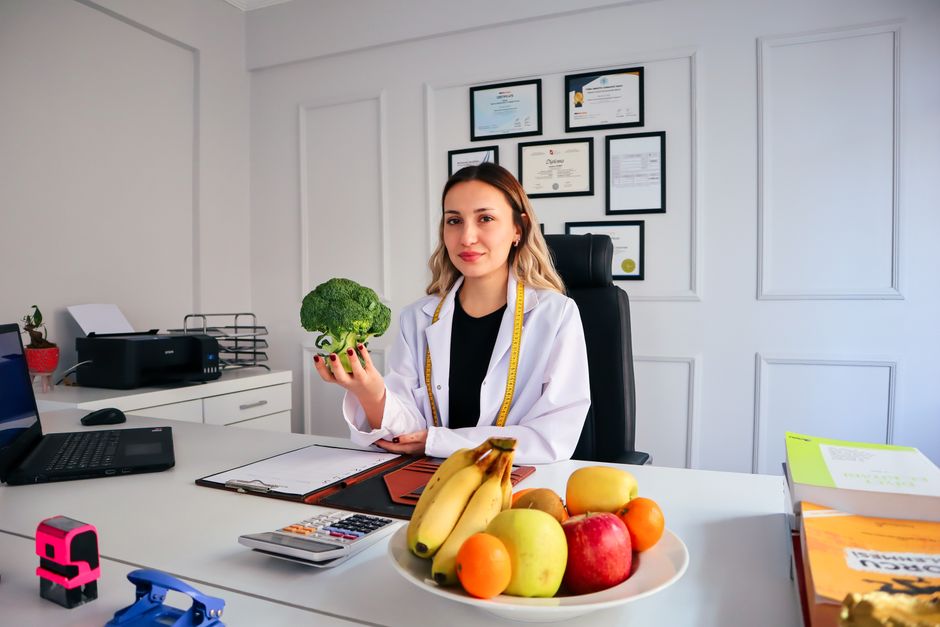
Yes, broccoli is a real vegetable. It is the edible flowering head of Brassica oleracea, a plant in the mustard family. Broccoli is not a man-made imitation or a lab creation. It is a cultivated plant, and people have been growing and eating it for a very long time.
The confusion usually comes from a different question hiding underneath the one people ask. Broccoli does not grow wild anywhere on Earth. Every head of broccoli you have ever seen is the product of human selection. That makes it real as a vegetable, and also, in a specific sense, a human invention.
Why Do People Ask If Broccoli Is a Real Vegetable?
Nobody asks this about carrots. The question about broccoli tends to come from one of three places.
The first is that broccoli looks engineered. The florets are dense and uniform. The stalk is thick and clean. A head of broccoli in a supermarket looks like something designed rather than grown. That appearance is the result of centuries of selective breeding, not industrial manufacturing.
The second source of doubt is the wild cabbage connection. Broccoli, cabbage, kale, cauliflower, Brussels sprouts, collard greens, and kohlrabi are all the same species: Brassica oleracea. Farmers selected different parts of the same plant over generations. One line was bred for its leaves, another for its flower buds, another for its stem. Broccoli is the flower-bud line.
The third is a genuine botany point that gets mangled in retelling. Broccoli is not a fruit, not a root, not a leaf. It is an immature flower head, harvested before the buds open. That fact sometimes gets repeated as “broccoli isn’t a vegetable.” It is. Botanically, “vegetable” is a culinary and agricultural category, not a strict botanical one, so there is no conflict here.
Is Broccoli A Real Vegetable or a Human-Made Plant?
Both, and the two are not in opposition. Broccoli is a real plant with a real genome, real roots, real flowers, and real seeds. It is also a plant that does not exist in the wild in its current form.
This is true of most vegetables people eat. Corn, wheat, bananas, carrots, and lettuce are all domesticated plants that differ substantially from their wild ancestors. Domestication is not the same as fabrication. Nobody assembled broccoli in a factory.
The wild ancestor is generally understood to be a leafy Brassica that still grows in parts of the Mediterranean and Atlantic coast of Europe. Over many generations, farmers saved seed from plants with larger and more tightly clustered flower buds. Repeat that selection enough times and you get the broccoli on a dinner plate.
What broccoli is not:
- It is not a genetically modified organism in the sense of laboratory gene editing. Broccoli was developed through selection and crossbreeding, not recombinant DNA technology.
- It is not a type of cauliflower, though the two are close relatives from the same species.
- It is not a fruit. It has no botanical fruit structure. It is harvested for its flower buds and stalk.
- It is not a root or a tuber. The part you eat grows above ground.
What Part of the Broccoli Plant Do You Actually Eat?
The head is a cluster of unopened flower buds sitting on branching stalks. If you leave broccoli in the ground past harvest, those buds open into small yellow flowers. The plant then produces seed pods and completes its life cycle.
The stalk is edible too. It is the same plant tissue, just a different part. Many people trim and discard it, which is a texture preference rather than a safety or nutrition issue. The stalk is somewhat milder in flavor and holds up well when sliced and cooked.
Broccoli leaves are also edible. They are less common in US grocery stores but are eaten in various parts of the world and can be prepared like collard or mustard greens. They are not a different plant.
Is Broccoli Nutritious, and What Does the Evidence Show?
Broccoli is a nutrient-dense vegetable. That part is well established and appears in standard nutrient databases such as the USDA FoodData Central. A cup of raw chopped broccoli provides a meaningful share of daily vitamin C and vitamin K, along with folate, fiber, and potassium. It is low in calories.
Broccoli also contains glucosinolates, sulfur-containing compounds that give it the bitter edge and the smell when overcooked. When the plant tissue is cut or chewed, an enzyme called myrosinase converts glucosinolates into compounds including sulforaphane and indole-3-carbinol.
Here is where the honest line sits. Laboratory studies have shown that sulforaphane and related compounds affect cells in ways that researchers find interesting. Some human studies have looked at broccoli intake and various health outcomes. The evidence is not strong enough to say that eating broccoli prevents cancer or treats any specific disease. No clinical guideline recommends broccoli as a treatment for anything.
What can be said without overreach is that diets high in vegetables, including cruciferous vegetables like broccoli, are consistently associated with better health outcomes in observational research. That association is real and repeated across many studies. It is also hard to separate from everything else that tends to go along with eating more vegetables.
Boiling broccoli for a long time leaches water-soluble nutrients like vitamin C into the cooking water. Steaming, roasting, or stir-frying tends to preserve more. This is a general nutrition principle, not specific to broccoli.
How Does Broccoli Compare to Other Vegetables?
Broccoli is often grouped with other cruciferous vegetables. The table below compares a few common ones by what part of the plant is eaten and their general nutrient profile. Values are approximate and vary by variety and growing conditions.
| Vegetable | Part eaten | Notable nutrients |
|---|---|---|
| Broccoli | Immature flower buds and stalk | Vitamin C, vitamin K, folate, fiber |
| Cauliflower | Immature flower head | Vitamin C, vitamin K, folate, fiber |
| Kale | Leaves | Vitamin A, vitamin C, vitamin K, calcium |
| Brussels sprouts | Axillary buds (side buds) | Vitamin C, vitamin K, fiber |
| Cabbage | Leaves, tightly packed head | Vitamin C, vitamin K, fiber |
All five are Brassica oleracea. They differ mainly in which part of the plant was selected for size and which nutrients concentrate in that part. Kale and other leafy greens tend to carry more vitamin A because leaves are where the plant’s light-capturing pigments are concentrated.
Does Cooking Change Broccoli?
Cooking changes broccoli in ways that matter for both taste and nutrition. Heat softens the cell walls, which is why cooked broccoli is easier to chew. It also deactivates myrosinase, the enzyme that produces sulforaphane from glucosinolates.
This has an interesting practical wrinkle. If you boil or microwave broccoli thoroughly, the enzyme is largely inactivated. Some research suggests that adding a small amount of raw cruciferous vegetable, such as a pinch of raw mustard powder or a few shreds of raw broccoli, to cooked broccoli can partially restore sulforaphane formation because the enzyme is reintroduced. The health significance of this in real diets is not established. It is a mechanism, not a proven outcome.
Overcooking also turns broccoli dull green and gives it a stronger sulfur smell. That smell is the same glucosinolate chemistry at work. Cooking it briefly in a hot pan or steaming it until just tender keeps the color brighter and the texture firmer.
Is There Any Reason to Avoid Broccoli?
For most people, broccoli is a well-tolerated food. Two groups may need to pay attention.
People taking warfarin and similar blood-thinning medications are often advised to keep vitamin K intake steady rather than avoid it. Broccoli is high in vitamin K. The concern is not broccoli itself but swings in intake that can affect how the medication works. Anyone on these medications should talk with their clinician about diet rather than cutting vegetables out on their own.
People with thyroid conditions sometimes hear that cruciferous vegetables are harmful. The compounds in broccoli called goitrogens can interfere with thyroid function in large amounts, particularly when iodine intake is low. For people eating normal amounts of broccoli and getting adequate iodine, this is not a recognized clinical problem. The concern is mostly relevant to very high intakes or specific medical situations, and it is worth discussing with a doctor rather than acting on internet summaries.
Broccoli is also a common source of gas and bloating. That is a normal digestive response to fiber and fermentable carbohydrates, not a sign of a problem with the food.
Frequently Asked Questions
Is broccoli a real vegetable or is it man-made?
It is a real vegetable, and it is also a domesticated plant that does not grow wild in its current form. Humans developed it through generations of selective breeding, not laboratory manufacturing.
Is broccoli a fruit or a vegetable?
Broccoli is a vegetable. Botanically, the part people eat is an immature flower head, and “vegetable” is a culinary category rather than a strict botanical one, so there is no conflict.
What vegetable is broccoli related to?
Broccoli is the same species as cabbage, kale, cauliflower, Brussels sprouts, collard greens, and kohlrabi. All of them descend from the same wild Brassica ancestor and were bred for different plant parts.
Can you eat the whole broccoli plant?
The florets, stalk, and leaves are all edible. The stalk and leaves are often discarded in the US for texture and convenience rather than any safety concern.
