
Brazilian laser hair removal is generally safe when performed by a trained professional using equipment cleared for your skin type. The main risks are burns, blisters, changes in skin color, and eye injury, and most of these are linked to operator error or the wrong device settings rather than the laser itself. The treatment is not risk-free, and the evidence on long-term outcomes is thinner than marketing materials suggest.
If you are considering it, the most useful thing you can do is understand what the procedure actually involves, who should avoid it, and what separates a careful provider from a careless one.
What Does Brazilian Laser Hair Removal Actually Involve?
A Brazilian laser treatment removes hair from the pubic area, including the labia, perineum, and sometimes the anus. It uses a concentrated beam of light that targets the pigment in hair follicles. The heat damages the follicle, which slows or stops future hair growth.
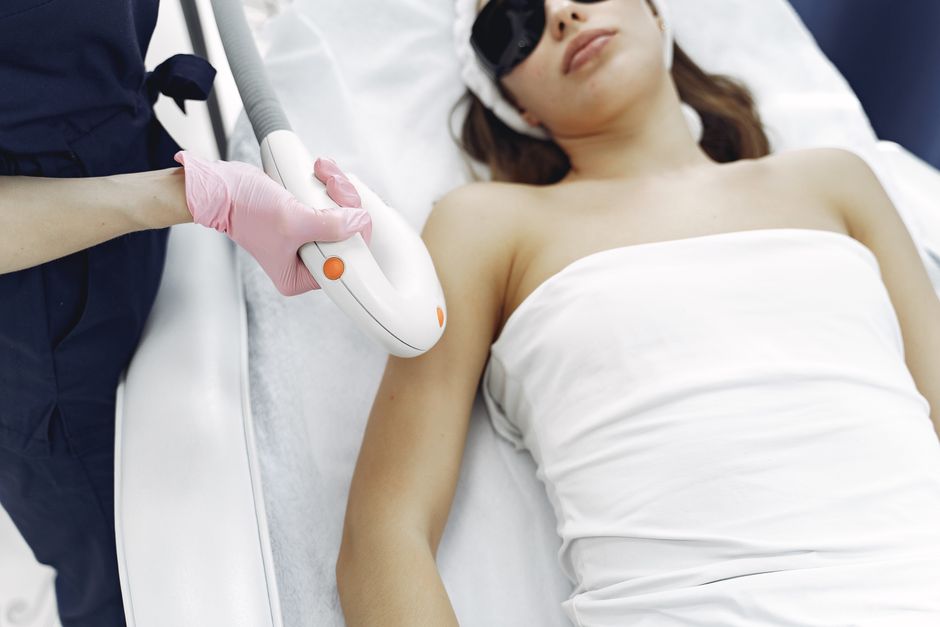
The procedure is done in a clinic, usually with the patient lying on a treatment table and wearing protective eyewear. A technician moves a handheld device over the skin. Many devices have a cooling tip or cold air to reduce discomfort. Sessions typically take 15 to 30 minutes depending on the area and the device.
Laser hair removal works best on people with dark hair and lighter skin because the laser is drawn to contrast between hair pigment and surrounding skin. That is a physiological fact, not a marketing claim. Newer devices with longer wavelengths can treat a wider range of skin tones, but no device removes all risk across all skin types.
Hair grows in cycles. Only follicles in the active growth phase respond to laser treatment at any given session. That is why multiple sessions are needed, usually spaced several weeks apart. The exact number varies by person, body area, and device, and no single number applies to everyone.
Is Brazilian Laser Hair Removal Safe for the Pubic Area?
The pubic area is more sensitive than the legs or underarms, and the skin is thinner in some spots. That makes technique and device settings more important. In trained hands, the procedure is considered safe for most healthy adults.
The FDA regulates laser devices as medical devices and clears them for specific uses, including hair removal. Clearance means the device meets safety and performance standards for its intended use. It does not guarantee that every clinic uses it correctly.
Most reported problems come from three sources: an operator who lacks proper training, a device that is not suited to the patient’s skin tone, or settings that are too aggressive. A 2019 review of laser hair removal complications found that adverse events are uncommon but do occur, and that many are preventable with proper patient selection and technique.
One point that gets lost in marketing: the genital area contains delicate tissue, and the margin for error is smaller than on a large flat area like a back. A provider who is experienced specifically with Brazilian treatments matters more than the brand name on the machine.
What Are the Real Risks and Side Effects?
Most side effects are temporary and mild. Redness and swelling around the follicles are common and usually fade within hours to a couple of days. Some people describe the sensation during treatment as a rubber band snapping against the skin.
More serious risks exist and are worth knowing:
- Burns and blisters. These happen when the laser energy is too high for the skin or when the cooling is inadequate.
- Hyperpigmentation and hypopigmentation. The skin can darken or lighten after treatment. This is more common in people with darker skin tones and can take months to fade or, in rare cases, be permanent.
- Scarring. Rare, but possible after a burn or infection.
- Infection. The skin barrier is temporarily disrupted, and the genital area has its own bacterial environment. Proper aftercare reduces this risk.
- Eye injury. The laser can damage the retina if protective eyewear is not worn. This is a real hazard, not a theoretical one, and it applies to anyone in the room during treatment.
- Paradoxical hair growth. In some people, especially those with darker skin or certain hormonal conditions, laser treatment can stimulate more hair growth rather than less. The mechanism is not fully understood.
The evidence on how often these occur is limited. Complication rates reported in studies vary widely because reporting standards differ and many mild reactions go unreported. Treat any clinic that claims a zero-complication rate with skepticism.
Who Should Avoid Brazilian Laser Hair Removal?
Laser hair removal is not appropriate for everyone. Some conditions raise the risk enough that a careful provider will decline or refer you to a dermatologist first.
People who are pregnant are commonly advised to postpone treatment. The evidence on laser safety during pregnancy is limited, and most providers take a conservative approach. No clinical guidelines currently establish laser hair removal as safe or unsafe during pregnancy, so the cautious default is to wait.
You should talk to a doctor before treatment if you:
- Are taking medications that cause photosensitivity, including certain antibiotics and acne drugs
- Have a history of keloid scarring
- Have an active skin infection, cold sore, or open wound in the treatment area
- Have a condition like polycystic ovary syndrome that can drive hair growth through hormones
- Have recently used isotretinoin (Accutane), which affects skin healing
- Have a tan or recent sun exposure in the area
People with very dark skin can still be treated, but only with devices designed for darker skin tones and by providers who understand the settings. This is not a reason to avoid treatment entirely. It is a reason to choose carefully.
How Do You Reduce the Risks?
Choosing the right provider is the single biggest factor in reducing risk. A qualified operator will assess your skin type, ask about medications and medical history, and test a small area before treating the full region.
Look for a clinic where a physician or nurse supervises treatment, where the device is FDA-cleared, and where the staff can explain which device is being used and why it suits your skin. Ask how many Brazilian treatments the operator has performed. Ask what happens if you have a reaction.
Before treatment, avoid sun exposure and tanning beds for at least two weeks. Shave the area the day before or the morning of treatment, but do not wax or pluck, since the follicle needs to be present. Tell the provider about every medication and supplement you take.
After treatment, follow aftercare instructions. Avoid hot baths, saunas, and tight clothing for a day or two. Do not scratch or pick at the skin. Contact the clinic if you see blistering, spreading redness, or signs of infection.
One practical note: some clinics sell packages of six to eight sessions up front. The number of sessions needed varies, and paying in full before you know how your skin responds is a financial risk as well as a clinical one. Ask whether you can buy sessions individually.
Is Brazilian Laser Hair Removal Safe Risks Explained: What the Evidence Shows
The evidence supports laser hair removal as a generally safe procedure for healthy adults when performed correctly. The evidence does not support claims that it is risk-free, painless, or permanent.
Hair reduction is usually significant but not always complete. Some people need maintenance sessions. Results vary by skin tone, hair color, hormones, and device. No treatment can promise a specific outcome for a specific person.
The biggest gap in the evidence is long-term safety data for repeated treatments over many years, particularly in the genital area. Short-term studies and clinical experience are reassuring, but they are not the same as decades of follow-up. That uncertainty is worth holding honestly rather than dismissing.
If you are considering the procedure, the responsible path is a consultation with a qualified provider, an honest conversation about your skin and health history, and a clear understanding that safety depends heavily on who holds the device.
Frequently Asked Questions
Is Brazilian laser hair removal safe?
It is generally safe for healthy adults when performed by a trained professional with an appropriate device. Most serious risks come from operator error or wrong settings rather than the laser itself.
Can laser hair removal cause permanent damage?
Permanent skin color changes and scarring are possible but uncommon, and they are more likely after a burn or with improper technique. Most side effects are temporary.
Is it safe to get laser hair removal while pregnant?
Most providers advise waiting until after pregnancy because the evidence on safety during pregnancy is limited. No clinical guidelines currently establish it as safe or unsafe during pregnancy.
Does Brazilian laser hair removal hurt?
Most people describe it as uncomfortable, similar to a rubber band snapping against the skin. Cooling features on modern devices and numbing options can reduce discomfort.
