
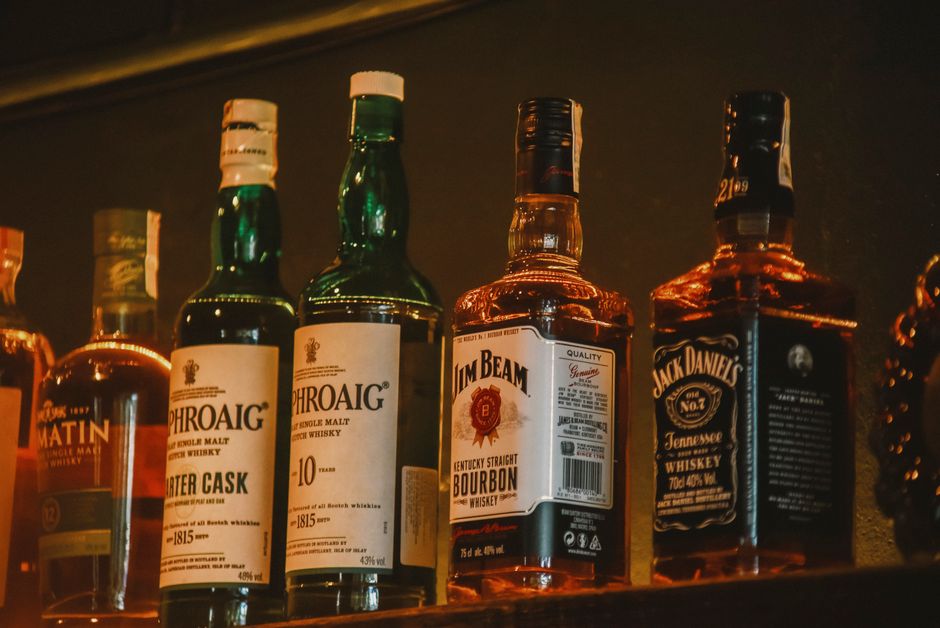
Yes, bourbon whiskey is gluten free in the vast majority of cases, even though it is made from grains that contain gluten. The distillation process removes gluten proteins, and what ends up in the bottle does not contain measurable gluten. This is why most people with celiac disease or gluten sensitivity can drink bourbon without a reaction.
That answer comes with a few real caveats. The grain source, the production method, and any flavorings added after distillation all matter. Understanding why bourbon is gluten free requires understanding what gluten is and where it goes during the whiskey-making process.
Is Bourbon Whiskey Gluten Free?
Bourbon is a distilled spirit, and distillation separates alcohol from the proteins and other large molecules in the fermented grain mash. Gluten is a protein. It does not vaporize with the alcohol.
Bourbon must be made from a grain mash that is at least 51 percent corn. The remaining grains are usually rye, wheat, or barley. Barley contains gluten, and rye contains a related protein that causes problems for many people with celiac disease. Wheat also contains gluten. So the raw ingredients are a genuine concern on paper.
During fermentation, yeast converts sugars to alcohol. The mash is then heated in a still. Alcohol turns to vapor at a lower temperature than water, and proteins stay behind in the liquid. The vapor is collected and condensed back into liquid. This distilled spirit is what goes into the barrel.
Gluten proteins are large molecules. They do not travel with the alcohol vapor in any meaningful amount. This is the core reason bourbon is considered gluten free despite being made from gluten-containing grains.
The evidence here is solid. The science of distillation is well established, and the separation of alcohol from proteins is not in question. What is less certain is whether every single bottle is completely free of gluten, because production details vary.
How Does Distillation Remove Gluten?
Distillation works because different substances boil and vaporize at different temperatures. This is a physical separation, not a chemical reaction.
When the fermented mash is heated, the alcohol vaporizes first. Water, sugars, proteins, and minerals stay in the still. The alcohol vapor rises, travels through a condenser, and turns back into liquid. That liquid is the distilled spirit.
Gluten proteins are heavy and do not become airborne with the alcohol vapor. Even in a pot still, which is a simpler, less efficient design, proteins do not carry over into the distillate in any significant amount. Column stills, used for most mass-market bourbon, separate even more thoroughly.
This is why the grain source matters less than people assume. A bourbon made with barley or rye can still be gluten free after distillation. The gluten was in the mash. It is not in the distillate.
One clarification worth making: this process is different from brewing beer or making malt vinegar, where gluten remains in the final product. Distillation is a genuine separation step. That distinction is the whole reason bourbon is different from a grain-based beverage that is not distilled.
Are All Bourbons Safe for People With Celiac Disease?
Most bourbons are safe for people with celiac disease, but not every bottle is guaranteed to be. The base spirit is gluten free. The risk comes from what happens after distillation.
Some bourbons are finished with added flavorings, sweeteners, or other ingredients after the distillation step. If those additions contain gluten, the final product could too. Flavored whiskeys and honey or cinnamon variations are the most common examples. These are not always labeled clearly.
There is also the question of cross-contamination at the bottling facility. A distillery that bottles both gluten-free spirits and other products may share equipment. This is a theoretical risk, and the amount of gluten involved would likely be very small, but people with celiac disease often need to be cautious about any potential exposure.
The safest approach for someone with celiac disease is to choose a straight bourbon with no added flavorings and to check the label. Straight bourbon means the spirit meets specific legal requirements and has no added coloring or flavoring. Those products are the most predictable.
People with celiac disease should talk to their doctor or a registered dietitian before making decisions about alcohol. Individual sensitivity varies, and the evidence on trace exposure is not fully settled.
What Is the Difference Between Gluten-Free and Gluten-Removed?
These two terms sound similar but mean different things, and the distinction matters for anyone avoiding gluten.
A product labeled gluten free must meet a defined standard. In the United States, the Food and Drug Administration requires that foods labeled gluten free contain less than 20 parts per million of gluten. That threshold is the established standard for packaged foods.
Gluten-removed is a different category. It describes a product made from gluten-containing ingredients where the gluten has been processed or filtered out. Some beers use this approach. The term is not regulated the same way, and the final gluten content can vary.
Bourbon does not fit neatly into either category. It is not typically labeled gluten free, because the labeling rules are designed for foods, not distilled spirits. It is also not “gluten-removed” in the way that term is usually applied. The gluten was never in the distillate to begin with.
This is a source of confusion for consumers. A bourbon bottle may carry no gluten claim at all, yet the liquid inside is very likely gluten free. The absence of a label does not mean the presence of gluten.
Does the Grain Mash Affect the Final Product?
The grain mash affects flavor, not gluten content. This is an important point because many people assume that a rye-heavy bourbon must contain rye protein.
Bourbon’s flavor comes from several sources. The grain recipe, called the mash bill, shapes the base character. Corn brings sweetness. Rye adds spice and pepper notes. Wheat softens the profile. Barley contributes enzymes that help convert starch to sugar during fermentation.
All of those grains are present in the mash. None of them survive distillation as intact proteins. The flavor compounds that carry over are smaller molecules, such as esters and aldehydes, that give bourbon its aroma and taste. Gluten proteins are not part of that group.
The barrel also matters. New charred oak barrels contribute color and flavor through compounds extracted from the wood over time. Aging does not introduce gluten.
Some people report reactions to certain spirits and assume it must be gluten. The more likely explanation is often something else, such as the alcohol itself, other compounds in the drink, or a separate sensitivity. Alcohol can cause digestive symptoms in some people regardless of gluten content.
What Should You Look For on a Bourbon Label?
Labels on bourbon are not designed to answer gluten questions directly. Still, a few details can help you make a more informed choice.
- Straight bourbon: This term means the whiskey has been aged at least two years and contains no added flavoring or coloring. It is the most predictable choice.
- Flavored or finished whiskey: These products may contain added ingredients after distillation. Check with the manufacturer if you have celiac disease.
- Bottled-in-bond: This is a strict legal designation that requires specific production standards. It offers another layer of predictability.
- No gluten claim: Most bourbon will not carry a gluten-free label. That is normal and does not mean the product contains gluten.
When in doubt, contact the distillery directly. Many are responsive to questions about ingredients and production. A clear answer from the maker is more useful than guesswork.
For people without celiac disease or gluten sensitivity, this level of caution is usually unnecessary. For those with a diagnosed condition, it is a reasonable step.
Is Bourbon Safe for People With a Wheat or Rye Allergy?
This is a different question from gluten, and the answer is less clear. A wheat allergy is an immune reaction to wheat proteins, not just gluten. A rye allergy is similar.
Distillation removes proteins, so the finished bourbon is unlikely to contain wheat or rye proteins in a form that would trigger an allergic reaction. However, the evidence on this specific question is limited. Most allergy guidance focuses on foods, not distilled spirits.
People with diagnosed wheat or rye allergies should treat bourbon with caution and discuss it with their allergist. The same applies to anyone with a history of severe allergic reactions. The absence of protein in the distillate is reassuring on a biological level, but it is not the same as a clinical guarantee.
This is one area where the honest position is that the evidence is thin. The mechanism suggests low risk. The clinical data does not fully confirm it.
Frequently Asked Questions
Is bourbon whiskey gluten free?
Yes, bourbon is gluten free in most cases because distillation removes gluten proteins from the final spirit. The grains used to make it may contain gluten, but the distilled liquid does not.
Can celiacs drink bourbon?
Most people with celiac disease can drink straight bourbon without a reaction, since the distilled spirit does not contain measurable gluten. Flavored or finished bourbons may carry more risk, so check with the manufacturer.
Does bourbon contain wheat or rye?
Bourbon may be made from a mash that includes wheat or rye, but those grains do not carry over into the distilled spirit as intact proteins. The finished product does not contain them in a form that typically causes reactions.
Is all whiskey gluten free?
Most distilled whiskeys are gluten free for the same reason bourbon is, because distillation separates alcohol from grain proteins. Flavored whiskeys and those with added ingredients after distillation may be exceptions.
