
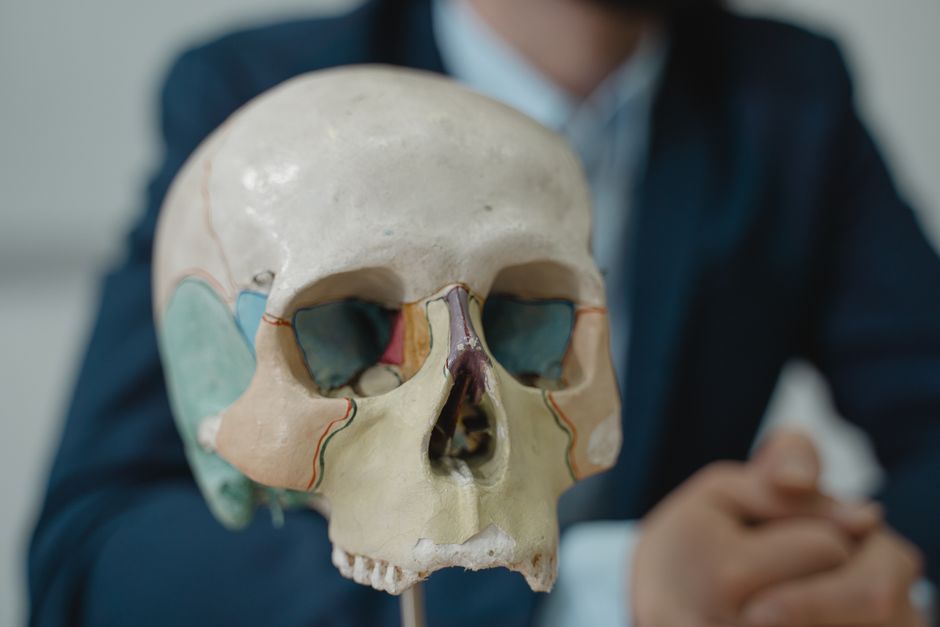
Your skeleton is largely shaped by your genes. Twin studies and family studies consistently show that bone size, shape, and density are strongly inherited — but not fixed. Genetics set the blueprint, and things like nutrition, hormones, and physical activity determine how much of that blueprint you actually reach.
The short answer to “is bone structure genetic?” is yes, substantially. Research consistently finds that genetic factors explain a majority of the variation in bone mineral density and bone size between people. But “majority” is not “all,” and the inherited portion differs depending on which aspect of bone you are measuring.
Is Bone Structure Genetic How Much Is Inherited?
Genetic factors account for most of the differences in bone density and bone dimensions between individuals. The best evidence comes from twin studies, which compare identical twins (who share essentially all their genes) with fraternal twins (who share about half). Identical twins have far more similar bone density and bone size than fraternal twins, and that gap is the fingerprint of inheritance.
When researchers pool these studies, the heritable share of bone mineral density — how dense the bone tissue is — generally lands in the range of roughly 50% to 80%. For bone size and shape, the inherited contribution appears similarly strong. These are broad ranges, not precise figures, because estimates vary with age, sex, skeletal site measured, and study design.
It helps to separate two things people often blur together:
- Bone structure — the size, shape, and geometry of your bones. This is heavily genetic and largely set by the time you finish growing.
- Bone density — how much mineral is packed into that structure. This is also strongly inherited but far more responsive to lifestyle across your whole life.
Your genes build the frame. What you do with that frame — especially before about age 30 — affects how strong it becomes.
How Do Genes Build and Shape Bone?
Bone is living tissue, and your genes direct how it is assembled and maintained. They influence the cells that build bone (osteoblasts) and the cells that break it down (osteoclasts), the collagen scaffold that gives bone its flexibility, and how efficiently your body absorbs and deposits minerals like calcium.
Most of the genetic effect on bone is not controlled by one gene. Bone density and size are polygenic traits — shaped by many genes, each contributing a small amount. This is why there is no single “bone strength gene” you can test for and act on.
Genes also shape bone indirectly by influencing your peak height, your body size, and how your body handles hormones like estrogen and vitamin D. Estrogen, in particular, plays a central role in bone maintenance in both men and women, and genetic differences in hormone signaling can affect bone density.
What Determines Your Peak Bone Mass?
You build most of your bone before roughly age 30. This period is when genetics and lifestyle interact most powerfully. Your genes set a ceiling for how much bone mass you can reach — called your peak bone mass — but whether you actually reach that ceiling depends heavily on what you do during the growing years.
The main factors that influence whether you hit your genetic potential include:
- Getting enough calcium and vitamin D during childhood and adolescence
- Regular weight-bearing and resistance exercise, especially during the teen years
- Normal hormone levels, particularly during puberty
- Avoiding smoking and excessive alcohol, which are harmful to bone
This is where the genetic story becomes practical. Two people with similar genetic potential can end up with quite different bone strength depending on how they lived during their bone-building years. After peak bone mass is reached, the focus shifts from building to protecting what you have.





Does Genetics Decide Whether You Get Osteoporosis?
Genetics strongly influences your risk of osteoporosis, but it does not decide your fate. A family history of osteoporosis or hip fracture is a recognized risk factor, and bone density — the strongest single predictor of fracture risk — is substantially inherited. But osteoporosis is a condition where lifestyle, hormones, and age matter enormously.
Some specific genetic conditions have a large effect. For example, certain variants affecting collagen production cause rare inherited bone disorders. But for the vast majority of people, osteoporosis risk comes from many small genetic influences combined with non-genetic factors.
The non-genetic factors that matter most include:
- Age and sex — bone loss accelerates after menopause and with advancing age in both sexes
- Long-term steroid medication use, which is a well-established cause of bone loss
- Low body weight and a history of eating disorders
- Smoking and heavy alcohol use
- Certain medical conditions and medications that affect bone
Having a strong family history does not mean you will develop osteoporosis. It means the topic deserves attention — and unlike your genes, most of the other risk factors can be changed.
Can You Change Bone Structure You Inherited?
You cannot change the basic size and shape of your bones after you finish growing. But you can influence bone density and bone quality throughout life, and that matters for strength and fracture risk.
Physical activity is the most direct lever. Weight-bearing exercise — walking, jogging, dancing, stair climbing — and resistance training put stress on bone, and bone responds to that stress by maintaining or building density. The effect is modest in adults compared to the dramatic bone-building of adolescence, but it is real and consistently observed in research.
Nutrition supports the process rather than driving it. Adequate calcium and vitamin D help your body maintain bone, but supplements do not override a poor lifestyle, and taking more than you need does not build extra bone. Established guidance on calcium and vitamin D intake exists for different age groups, and it is worth discussing your individual needs with a clinician rather than guessing.
One point that often gets lost: bone loss with age is normal, but the rate varies widely between people. Some of that variation is genetic. Some is lifestyle. You have meaningful influence over the second part.
What About Bone Density Testing and Family History?
Bone density testing, usually done with a DEXA scan, measures bone mineral density and is the standard tool for assessing fracture risk. A family history of osteoporosis or hip fracture is one factor clinicians consider when deciding whether testing is appropriate, alongside age, sex, and other risk factors.
Testing is not something to pursue on your own based on curiosity about your genes. It is a clinical decision, and results are interpreted alongside your full risk profile. If you have a strong family history, that is a reasonable conversation to have with a clinician — but the test itself measures density, not your genetic code.
Direct-to-consumer genetic tests that claim to assess bone health should be viewed with caution. Bone density is polygenic, meaning many genes each contribute a small amount, and current genetic tests cannot reliably predict an individual’s bone density or fracture risk. The evidence for using them to guide bone health decisions is limited.
The Bottom Line on Inherited Bone Structure
Bone structure is strongly genetic. Twin and family studies consistently show that a majority of the variation in bone density and bone size between people is inherited. But genetics sets a range, not a fixed outcome, and the choices you make — especially before age 30 — determine where in that range you land.
If you have a family history of osteoporosis, that is useful information, not a verdict. The factors you can influence — activity, nutrition, avoiding smoking and excess alcohol — remain the ones most worth acting on.
Frequently Asked Questions
Is bone structure genetic?
Yes, bone structure is strongly genetic. Twin and family studies consistently show that a majority of the variation in bone size, shape, and density between people is inherited.
How much of bone density is inherited?
Research generally estimates that roughly 50% to 80% of the variation in bone mineral density is inherited. The exact figure varies with age, sex, and which part of the skeleton is measured.
Can you change your bone structure?
You cannot change the basic size and shape of your bones after you finish growing. You can influence bone density and strength through weight-bearing exercise, adequate nutrition, and avoiding smoking and heavy alcohol use.
Does family history of osteoporosis mean I will get it?
No, a family history raises your risk but does not determine your outcome. Many risk factors for osteoporosis, including activity level, nutrition, smoking, and alcohol use, are within your control.
