
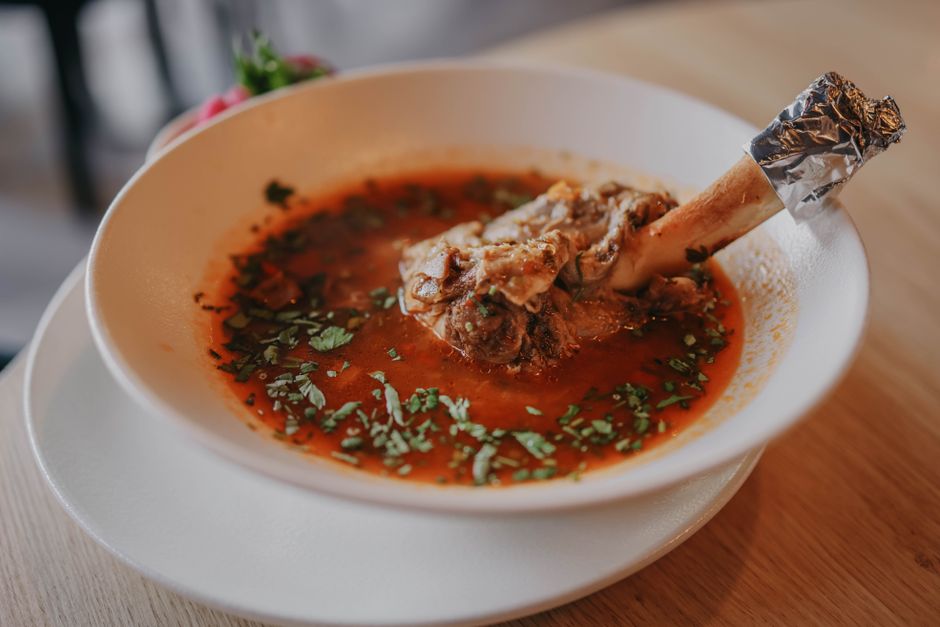
Yes, bone broth is allowed on the carnivore diet. It is made exclusively from animal products—bones, water, and often a bit of salt or vinegar. Because the carnivore diet consists only of foods derived from animals, bone broth fits squarely within the rules. It is also one of the most commonly recommended foods for people starting the diet, especially during the initial adaptation phase.
What Exactly Is Bone Broth?
Bone broth is a liquid made by simmering animal bones and connective tissue in water for an extended period. The typical cooking time ranges from 12 to 48 hours. This long simmering process extracts collagen, gelatin, minerals, and amino acids from the bones into the liquid.
The bones usually come from beef, chicken, or fish. Some recipes include vegetables, herbs, or spices, but on the carnivore diet, you will want to stick to plain bone broth made only from animal parts, salt, and water. This keeps it fully compliant with the diet’s animal-only rule.
Bone broth is different from stock, though the two are often confused. Stock is made by simmering bones for a shorter time, usually 2 to 6 hours. Bone broth cooks much longer and produces a thicker, more gelatinous liquid. Both are allowed on the carnivore diet, but bone broth is the one most discussed in carnivore circles.
Is Bone Broth Allowed On The Carnivore Diet?
Yes, bone broth is allowed on the carnivore diet without question. The diet permits all animal-derived foods, which includes meat, fish, eggs, dairy, and animal fats. Bone broth is simply an extract of animal bones and connective tissue. It contains no plant material when prepared correctly.
In fact, bone broth is one of the few foods that carnivore diet advocates frequently recommend during the first few weeks. Many people find it easier to digest than solid meat while their bodies adjust to a diet without carbohydrates. It also provides fluids and electrolytes, which can be helpful during the transition.
The only situation where bone broth would not be allowed is if you add non-animal ingredients. Some store-bought broths contain vegetable extracts, sugars, or preservatives. Always check the label. If it contains anything other than animal products and salt, it does not fit the carnivore diet.
What Nutrients Does Bone Broth Provide?
Bone broth is not a complete food. It does not contain enough protein or calories to sustain you on its own. But it does offer several nutrients that are relevant to a carnivore diet.
The most notable components are collagen and gelatin. These are structural proteins found in connective tissue. When you simmer bones, collagen breaks down into gelatin. Gelatin gives properly made bone broth its jelly-like texture when chilled. Both collagen and gelatin contain amino acids like glycine and proline, which are less abundant in muscle meat.
Bone broth also contains minerals. Calcium, magnesium, phosphorus, and potassium leach out of the bones into the liquid during long simmering. The amounts are generally small and vary widely depending on the cooking time, the type of bones, and the water used. One study published in the Journal of Agricultural and Food Chemistry found that bone broth contains measurable but modest levels of these minerals.
It is important to be honest about what bone broth does not contain. It is not a significant source of vitamins. It is low in calories and protein compared to meat. A cup of bone broth typically contains around 30 to 50 calories and 5 to 10 grams of protein, though these numbers vary by recipe. It should be treated as a supplement to your meat intake, not a replacement for it.




Does Bone Broth Help With the Transition to Carnivore?
Many people report that bone broth helps during the first weeks of the carnivore diet. The most commonly reported benefit is relief from digestive discomfort. This is not backed by large clinical trials, but the mechanism makes biological sense.
When you eliminate carbohydrates, your gut bacteria change. Some people experience diarrhea, cramping, or nausea during this adjustment. Bone broth is easy to digest because it is already in liquid form. The gelatin it contains may also help coat the digestive tract, though this effect is not well studied in humans.
Bone broth also provides sodium and other electrolytes. This matters because when insulin levels drop on a low-carbohydrate diet, the kidneys excrete more sodium and water. This can lead to headaches, fatigue, and dizziness—symptoms often called the “keto flu.” Drinking salty bone broth can help replace the sodium your body is losing. Some clinicians recommend increasing salt intake during this phase, and bone broth is one practical way to do that.
The evidence here is largely anecdotal. No randomized controlled trials have specifically tested whether bone broth reduces the symptoms of carbohydrate withdrawal on a carnivore diet. But the practice is widespread, low-risk, and consistent with what is known about electrolyte balance during low-carbohydrate diets.
Is Store-Bought Bone Broth Acceptable?
Store-bought bone broth is acceptable as long as it contains only animal ingredients. The challenge is that many commercial products add plant-based flavorings or preservatives that are not allowed on the carnivore diet.
Read the ingredient list carefully. Acceptable ingredients include bone broth, water, and salt. Some products add yeast extract, which is a flavor enhancer derived from fungi. Others add vegetable stock, onion powder, garlic, or sugar. None of these fit the carnivore diet.
Another issue with store-bought products is quality. Many commercial broths are diluted or made with very short cooking times. They may contain less collagen and gelatin than homemade versions. Some are flavored to taste richer without actually containing the nutrients found in properly simmered broth.
If you choose store-bought, look for products labeled as bone broth rather than stock or broth. Check that the protein content is reasonable—usually at least 5 grams per cup. And confirm that the ingredient list is short and animal-only. If you are strict about the carnivore diet, homemade bone broth is the safest option because you control every ingredient.
How To Make Carnivore-Friendly Bone Broth at Home
Making bone broth at home is simple and requires only a few ingredients. You need animal bones, water, and salt. You can also add apple cider vinegar, which helps extract minerals from the bones, though this is optional and not required for the broth to be carnivore-compliant.
Here is a basic method:
- Place bones in a large pot or slow cooker. Roasted bones produce a darker, richer broth. Raw bones work fine too.
- Cover the bones with water. Add a generous pinch of salt and, if desired, a splash of apple cider vinegar.
- Bring to a boil, then reduce to a low simmer. Cover and cook for 12 to 48 hours. Beef bones need longer than chicken bones.
- Strain the liquid through a fine mesh sieve. Discard the bones.
- Cool the broth. It should form a gel when refrigerated, which indicates good collagen content.
You can drink the broth warm from a mug, use it as a base for cooking meat, or add it to scrambled eggs. It stores in the refrigerator for about a week or in the freezer for several months.
There is no standard clinical recommendation for how much bone broth to consume. Some carnivore diet advocates suggest one to two cups daily. Others drink it only when they feel the need for extra fluids or salt. Since bone broth is a food, not a medicine, the right amount depends on your personal preference and how it fits into your overall protein and calorie intake.
Are There Any Risks or Downsides?
Bone broth is generally safe for most people. There are a few considerations worth noting, but none of them are reasons to avoid it entirely for healthy adults.
Bone broth contains histamine. Histamine is a compound that forms as protein-rich foods age and are cooked for long periods. Some people are sensitive to histamine and may experience headaches, flushing, or digestive symptoms after drinking bone broth. If you notice these symptoms, you may tolerate freshly made broth better than broth that has been stored for several days.
Lead exposure is another concern that occasionally comes up. Some research has suggested that bone broth may contain lead, since lead can accumulate in animal bones. The studies on this are limited, and the amounts found have been very low. The evidence does not currently suggest that occasional bone broth consumption poses a meaningful health risk for most adults. However, if you are pregnant or nursing, it is reasonable to ask your doctor about this if you plan to drink bone broth daily.
Finally, bone broth is not a meal replacement. It is low in calories and protein. Relying on it instead of solid meat can lead to inadequate nutrition over time. Use it as a complementary food, not the foundation of your diet.
Frequently Asked Questions
Can I drink bone broth during the first week of the carnivore diet?
Yes, bone broth is commonly recommended during the first week of the carnivore diet. It is easy to digest and provides sodium and fluids that can help reduce the headaches and fatigue some people experience when cutting out carbohydrates.
Does bone broth break a fast on the carnivore diet?
Yes, bone broth contains calories and protein, so it does break a fast. If you are doing intermittent fasting as part of your carnivore approach, you should drink bone broth only during your eating window.
Is bone broth enough protein on the carnivore diet?
No, bone broth is not enough protein on its own. A cup typically provides 5 to 10 grams of protein, which is far less than a serving of meat. You still need to eat solid animal foods to meet your protein needs.
Can I add salt to bone broth on the carnivore diet?
Yes, salt is allowed on the carnivore diet. Adding salt to bone broth is a common way to replace sodium, especially during the first few weeks when your body is adjusting to lower carbohydrate intake.
